Here you will find the latest updates for the programme.
Programme 17 November (day 1)
09:00 – 09:30 Coffee and registration
09:30 – 09:35
Welcome & opening remarks
Moderator: Annika Östman, Head of Communications, Nordregio
Rolf Elmér, Director, Nordregio
09:35 – 09:50
Welcome to Aarhus: Building a competitive and sustainable city
Rolf Johnsen, Head of Climate and Energy, Aarhus Municipality
How can cities remain competitive, sustainable and resilient in a rapidly changing world? Drawing on experiences from Aarhus, the session will explore the role of cities in creating attractive conditions for citizens and businesses, and the importance of collaboration between the public sector, businesses and other actors.
09:50 – 10:10
Fireside chat: What will it take to turn Nordic strengths into action?
Stine Kromann Dragsted, Head of Stakeholder Engagement, Partnerships and Press, Nordic Compass
The Nordic countries have strong economies, advanced technologies and a long tradition of trust and cooperation. Yet growing geopolitical tensions and increasing competition for technology, capital and resources mean that Nordic strengths must be translated into concrete joint action.
Following the inaugural Nordic Compass Summit in Gothenburg, Stine Kromann Dragsted will present the key outcomes and emerging initiatives across Capital Markets, Deep Tech, Defence and Energy. She will then join Annika Östman for a fireside chat on what these priorities mean for Nordic competitiveness, resilience and regional development, and what it will take to move from ambition to implementation.
10:10 -10:30
Research presentation: How can we better measure sustainable competitiveness in the Nordics?
Carlos Tapia, Senior Research Fellow, Nordregio
Sustainable competitiveness is defined as the long-term, multidimensional capacity of an economy to generate and sustain wealth without compromising the natural, social, and institutional foundations of sustainable development. Sustainable competitiveness must contribute to raising living standards and strengthening productivity, but higher output per capita should never come at the expense of welfare or social capital.
When measuring sustainable competitiveness there is considerable ambiguity: some studies emphasise the inputs that underpin sustainable performance (physical capital, labour, total factor productivity, capabilities, institutions, and trust), while others focus on the outcomes (e.g., income per capita, employment levels, social indicators, and ecological data). Other approaches seek to integrate both perspectives.
In this presentation we will (1) map how input and output indicators of sustainable competitiveness operate across different scales, illustrating their inter‑relationships; (2) outline alternative pathways for developing a sustainable competitiveness index tailored to the Nordic Region; 3) and discuss policy implications for promoting sustainable competitiveness within the Region
10:30 -10:50
Research presentation: Unsung heroes of attractive places: overlooked yet essential building blocks
Hilma Salonen, Senior Research Fellow & Lisa Rohrer, Research Fellow, Nordregio
This presentation shares key results from the Psychological resilience project, highlighting the invisible wiring of places where people are happy to stay and invest in. Drawing on case studies from five Nordic locations, we shed light on activities and infrastructure that official strategies or municipal branding campaigns may overlook because they seem too banal or not translatable into compelling election promises. Yet, as Nordic regions are encouraged to become ever more competitive and resilient, these unsung heroes are taking on responsibilities beyond their original roles and confronting difficult questions that risk to further divide social groups. The presentation uses these examples to ask: before we try to build more resilient communities, do we really know what a resilient community is?
10:50 -10:55
The human side of place attractiveness: Meet ReThinker
Anne-Sofie Thomsen, Project Manager, VisitAarhus & ReThinker
What role do citizens play in making places attractive? A brief introduction to the ReThinker programme and how local volunteers contribute to vibrant communities, stronger visitor experiences and a sense of belonging in Aarhus.
10:55 – 11:20
Coffee break with ReThinkers
Ask locals what life is like in Aarhus over a cup of coffee. Together with ReThinker and Visit Aarhus, local residents will answer any questions you have about living in Aarhus.
11:20-12:05
Research presentations: Labour market
How can labour market dynamics support competitiveness?
Hjördís Guðmundsdóttir, Research Fellow, Nordregio
What does it take for remote labour markets to be sustainable?
Anna Lundgren, Senior Research Fellow, Nordregio
Commentators:
Hjalti Jóhannesson, Researcher, University of Akureyri Research Centre
Jimmy Sand, Analyst, Swedish Secretariat for Gender Research
12:05-12:50
Panel session: Diverse or specialised labour markets: what works in a crisis?
When a crisis hits, which regions are better equipped to protect jobs: those with a diverse mix of industries or those built around a few specialised sectors?
Diversification is often considered a safeguard against economic shocks. But new Nordregio research examining Nordic labour markets during the global financial crisis and the COVID-19 pandemic challenges this assumption. Specialised regions have, in some cases, performed just as well or even better.
This panel brings together researchers and local and regional practitioners to debate what really makes labour markets resilient. Can specialisation be a strength rather than a vulnerability? Should smaller communities diversify their economies, or build on what they already do best? And what can municipalities and regions do today to prepare for the next crisis?
Presentation by Benjamin Ullman, Junior GIS analyst/Cartographer Nordregio
Panellists:
Gunvor Eldegard, Senior Adviso, KS
Hjalti Jóhannesson, Researcher, University of Akureyri Research Centre
Peter Olsson, Director of Education, Gällivare Kommun
Anne Lise Kappel, Consultant, Nalik Ventures
Nicklas Guldåker, Senior Research Fellow, Nordregio
Moderator: Anne Katrine Ebbesen, Senior Communications Advisor, Nordregio
12:50 –14:30
Lunch & tour of ‘As Seen Below’
– The Dome, a Skyspace by James Turrell

14:00/14:30 –16:30
Parallel Study trips in Aarhus
Agro Food Park
Explore one of Europe’s leading agri-food innovation ecosystems and discover how collaboration between businesses, research institutions and public actors can drive sustainable growth, job creation and regional competitiveness.
During this study visit to Agro Food Park, participants will gain insight into how the cluster has evolved into a dynamic environment for innovation in the food and agricultural sectors, supporting companies, attracting talent and encouraging partnerships across disciplines.
Through presentations, discussions and a tour of the campus, the visit will showcase how place-based innovation ecosystems can contribute to economic resilience and sustainable development.
Innovation in Aarhus
Discover how Aarhus is cultivating innovation, entrepreneurship and future talent through collaboration between higher education, business support organisations and local ecosystem partners. Hosted at the VIA Incubator on Campus Aarhus C, this interactive study visit brings together representatives from Kitchen at Aarhus University, Business Academy Aarhus and Startup Aarhus to share insights into entrepreneurship education, innovation ecosystems and regional competitiveness.
Through presentations and open dialogue (Q&A with the audience), participants will explore how universities and innovation actors work together to support start-ups, strengthen skills development and create opportunities in a changing labour market, while exchanging experiences and lessons relevant to regions across the Nordic countries.
Discover Dokk1 (in Danish only)
What makes a community resilient? Nordregio’s research on psychological resilience points to factors that can easily be overlooked: trust, a sense of belonging, participation, local connections and the everyday places where people come together.
This study visit to Dokk1, home to Aarhus’ main library as well as citizen services and other organisations, provides a setting to explore these ideas in practice. We will consider how shared community spaces connect to the wider questions at the heart of Competitive Nordics: what makes a place attractive, resilient and somewhere people want to stay?
The visit builds on Nordregio’s research into psychological resilience, which examines how trust, shared values, social connections, local organisations and community activities contribute to resilience across the Nordic Region.
Social housing at Gellerupparken
This study visit takes us to Gellerupparken in Aarhus to explore social housing. The visit creates an opportunity to consider how housing and neighbourhood development connect with wider questions of social inclusion, attractiveness and the ability of cities and regions to thrive.
Bring your questions and join the discussion: what does good social housing mean for a competitive and inclusive Nordic city?
16:30
Free time
18:30
Conference dinner at Malt Brewery
Join us for a three course dinner at Malt Brewery! During the evening, we’ll be accompanied by Midnatssol, a Danish trio that dives into the Nordic folk music traditions with passion and playfulness, creating a warm and soulful music experience.
Programme 18 November (day 2)
08:30 – 09:00
Coffee and registration
09:00 – 09:10
Study trips in brief
Annika Östman, Miia Itänen, Axel Eriksson, Jonas Kačkus Tybjerg, Nordregio
Hear about the study visits from the day before and key take-aways.
09:10 – 10:00
Panel session: How do we balance affordable housing development and environmental ambitions?
Availability of affordable, high-quality housing is both a social priority and a competitiveness factor for Nordic cities and regions. However, providing more housing while at the same time meeting increasingly ambitious environmental goals is a challenge. Tensions between competitiveness, social inclusion, and environmental sustainability are growing in planning practice. Join us for this panel debate where housing and land use planning experts from the Nordic region discuss ways forward. How can Nordic cities and regions deliver affordable housing in ways that support regional growth while respecting environmental limits?
During this session, you’ll gain a better understanding of:
- How Nordic cities and regions combine affordable housing development with other goals
- Similarities and differences regions are facing
- How existing planning and policy tools support effective housing strategies – and what’s missing?
- How national & regional governments can support municipalities
Speakers:
Anna Granath Hansson, Senior Research Fellow, Nordregio
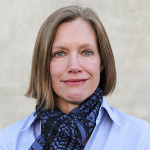
Henrik Lönnqvist, Manager of Urban Development, Finnish association of municipalities
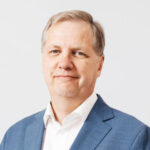
Sigríður Björk Jónsdóttir, Icelandic housing, construction and planning authority
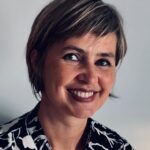
Berit Irene Nordahl, researcher emeritus, Oslo Metropolitan University
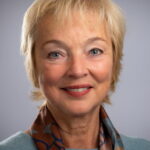
Rikke Skovgaard Nielsen, senior researcher, Aalborg University
Moderator: Annika Östman, Head of Communications, Nordregio
10:00 – 10:30
Keynote: The future of the Nordic model: Ageing, technology, and fiscal sustainability
Professor Torben M. Andersen, Department of Economics, University of Aarhus.
The hallmark of the Nordic model is its ability to reconcile high levels of living standards with a relatively equal distribution of incomes. Can these properties be maintained when the population ages and new technologies affect labour markets? These changes may directly affect economic performance, but also public finances, raising the question of whether the model is financially viable. The policy challenges in sustaining prosperity, social balance, and resilience are discussed.
10:30-11:00
Coffee break
11:00-12:30
Parallel Workshops
Could this work in my region? Transferable policies for sustainable industries
What makes a policy successful in one place, and will it work elsewhere in the Nordics? Join us for an interactive workshop exploring how transferable policies supporting sustainable industries are across different Nordic contexts.
Successful policy examples are often highlighted and shared among Nordic countries, but it is not always clear whether the same results can be achieved in a different geographical, economic, or political setting. This workshop invites participants to reflect on and assess whether policies that contribute to notable sustainable industrial transformations in one Nordic context could be replicated in their own.
Drawing on Nordic examples, participants will examine the factors that shape policy transferability and develop their own conclusions about the relevance of these policies for their regions.
By the end of the workshop, participants will have a stronger understanding of policy learning and transferability, as well as greater insight into the types of policies that may support sustainable industrial development in their local context.
Jonas Kackus Tybjerg, Research Fellow, Nordregio
Patrik Tornberg, Senior Research Fellow, Nordregio
Try out Nordregio’s new toolbox for working with megatrends!
The world is changing in ways that municipalities and regions need to understand and respond to. Large-scale and long-term changes, often called megatrends, influence how communities develop over time. affecting not least how regions grow, appeal and compete in times of change.
Join us for a workshop with an exclusive preview of Nordregio’s new toolbox. Delve into megatrends and its effects and work with our foresight tool to map out the consequences for your municipality or region.
Axel Eriksson, Communications Advisor, Nordregio
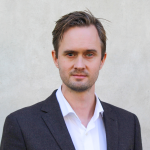
Kerstin Bly Joyce, Senior Research Advisor, Nordregio
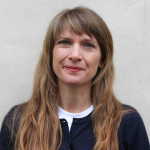
It’s a match! What makes a municipality attractive?
What makes you fall for a place, and what makes you stay?
Is it the promise of a great job, affordable housing or beautiful surroundings? Or is the real attraction something less tangible.
In this interactive workshop, resident-types are looking for their perfect match! Participants step into the shoes of students, young families and international professionals, while municipal representatives do their best to win them over. Through three rounds of municipal speed dating, we’ll test the chemistry between different people and places, uncovering both the obvious matches and the unexpected attractions.
But what happens after the first date? Drawing on new Nordregio research and real-life Nordic examples, we’ll explore what municipalities can do to turn initial attraction into long-term commitment and what that means for regional competitiveness.
Kenneth Nordberg, Senior Research Fellow, Nordregio
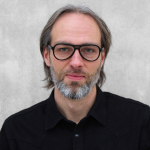
Anne Katrine Ebbesen, Senior Communications Advisor, Nordregio

12:30
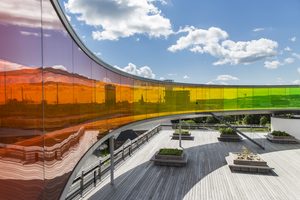
Lunch & optional visit to the permanent art work by Olafur Eliasson – Your rainbow panorama (2011)
Photo by Anders Traerup
13:30
End