Speakers
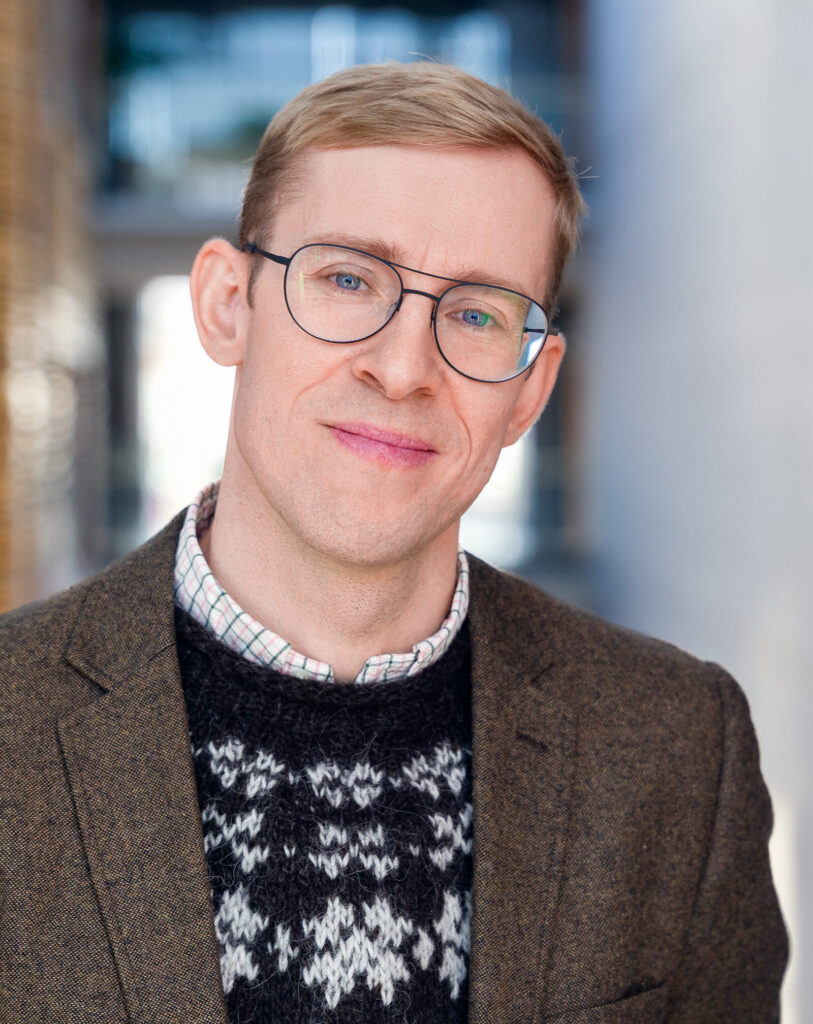
Ottó Elíasson
General Manager, Eimur
Ottó Elíasson is the general manager of Eimur a partnership aiming to improve resource utilisation in the North of Iceland. Through Eimur, Ottó has worked on projects aiming to accelerate energy transitions, improving rural bio-economies through methane production, valorising food industry effluent, boosting rural innovation and developing industrial symbiosis in Iceland. Ottó holds a PhD in physics from Aarhus University.
“My presentation will highlight outcomes of the LIFE-RECET project, emphasising in particular capacity building activities and project results and achievements in Iceland. Through the co-creational methodology applied in workshops simplicity is favoured as an essential element of energy and climate planning.“
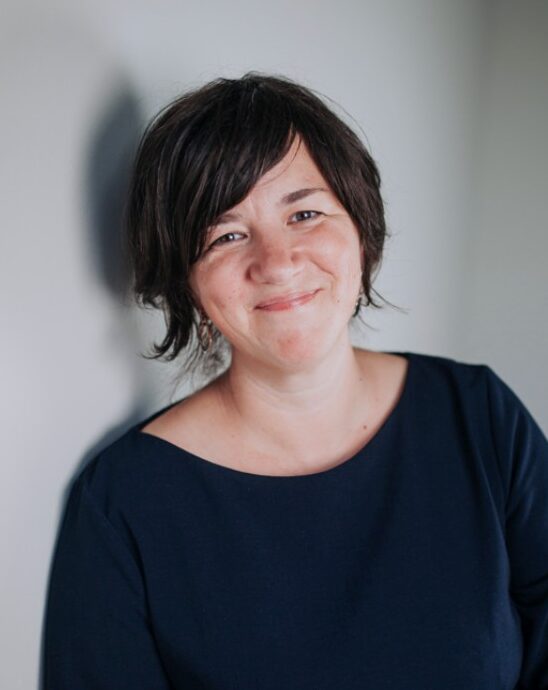
Marika Rošā
Project Manager, EKODOMA
More than 15 years ago, Marika Rošā began developing Sustainable Energy and Climate Action Plans for municipalities (at that time SEAPs). Since then, she has gained valuable experience in local climate and energy planning. Yet one challenge remains: how to turn plans into systematic action. Along the way, she has learned valuable lessons about what works, what doesn’t, and what helps municipalities move from planning to implementation.
“OwnYourSECAP successfully engaged more than 80 municipalities, supporting them in moving from planning to the implementation of their SECAPs. My presentation will highlight the key drivers, approaches, and success factors that made this possible.”
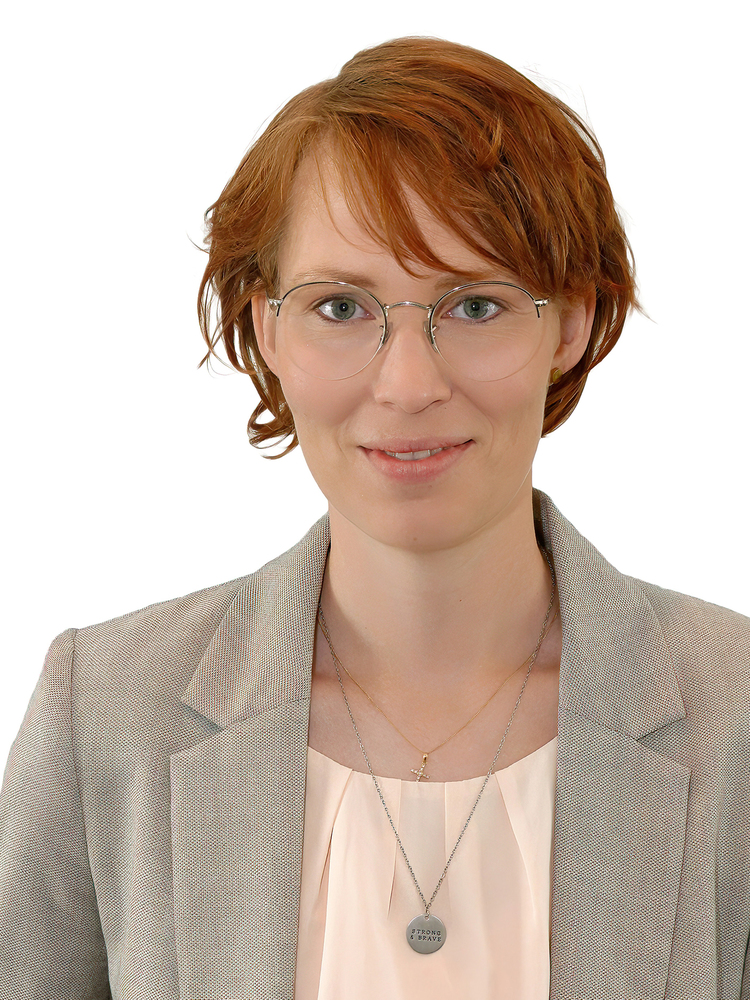
Anna Månsson
Project Manager, Energikontor Syd AB
Anna Månsson is a Project Manager at Energikontor Syd, specialising in sustainable mobility, energy planning and regional development. She works with municipalities, regions and international partners to develop practical solutions that accelerate the energy transition and support climate-smart, attractive and resilient communities.
“There is no one-size-fits-all model for municipal energy planning. Based on experiences from Swedish municipalities, my presentation will show how different organisational approaches, from dedicated coordinators to energy groups and external support, can all contribute to effective energy planning and a successful energy transition.“
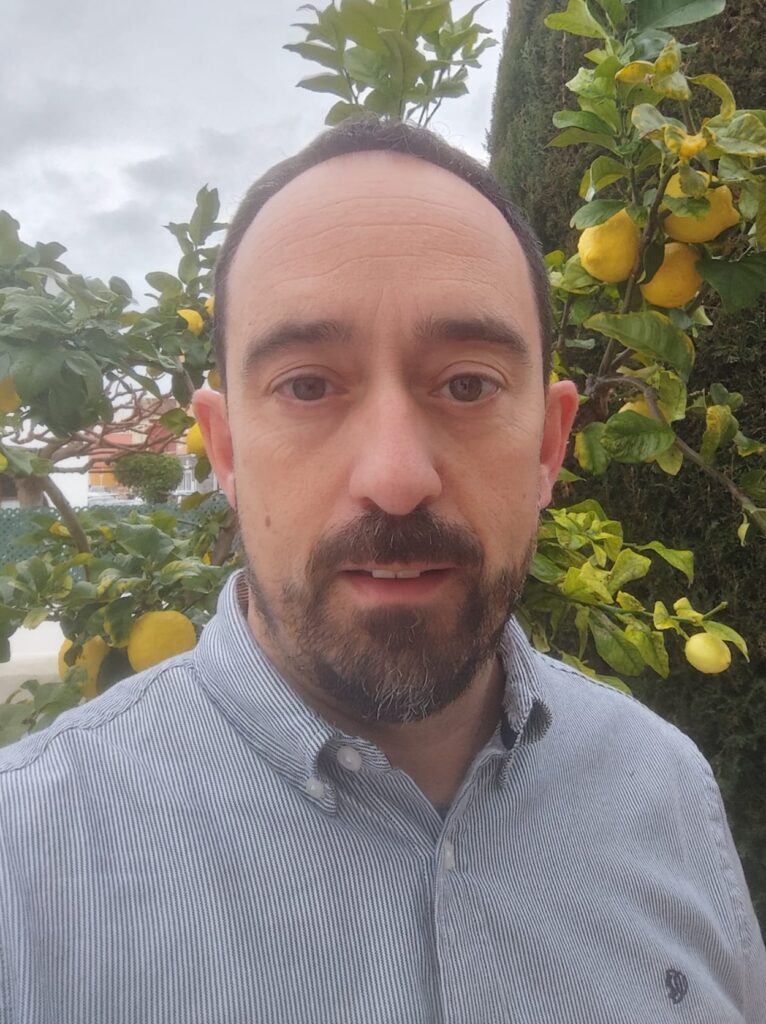
Eduard Escolá
Industrial Engineer, Consell Insular de Menorca
Eduard Escolà is an Industrial Engineer working for 20 years in energy topics as distribution system, and specially last years working in the development of Menorca Transition Agenda, at the beginning as part of the team that wrote the agenda, and now re-adapting it and pushing for real implementation of its actions.
“Social acceptance of energy facilities poses a major challenge for small communities. While rural areas have plenty of land, large companies possess the financial resources and workforce needed to build major infrastructure. This arises local mistrust regarding the potential benefits of new facilities that also can ruin the landscape.”
Panelists
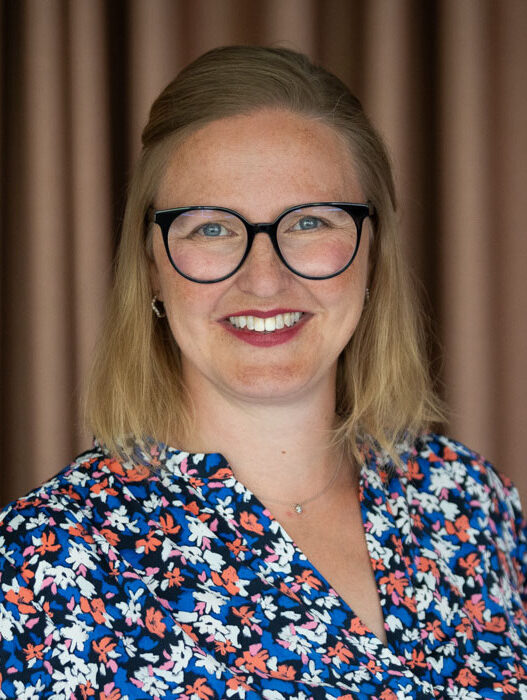
Carina Sammeli
Mayor, Luleå Municipality
Carina Sammeli has served as Mayor of Luleå, Northern Sweden, since 2021. She is focused on sustainable growth and enabling the green industrial transition in northern Sweden. With a background in economics, she has held leadership roles in local government, the Social Democratic Party, Swedish Department of Finance, and the Swedish Transport Administration.
“Luleå accounts for 7% of Sweden’s carbon dioxide emissions and, together with local industries, is transforming to reduce them. At the same time, resilience is increasingly important in a more uncertain world. The green transition must go hand in hand with preparedness, a key challenge for Luleå.”
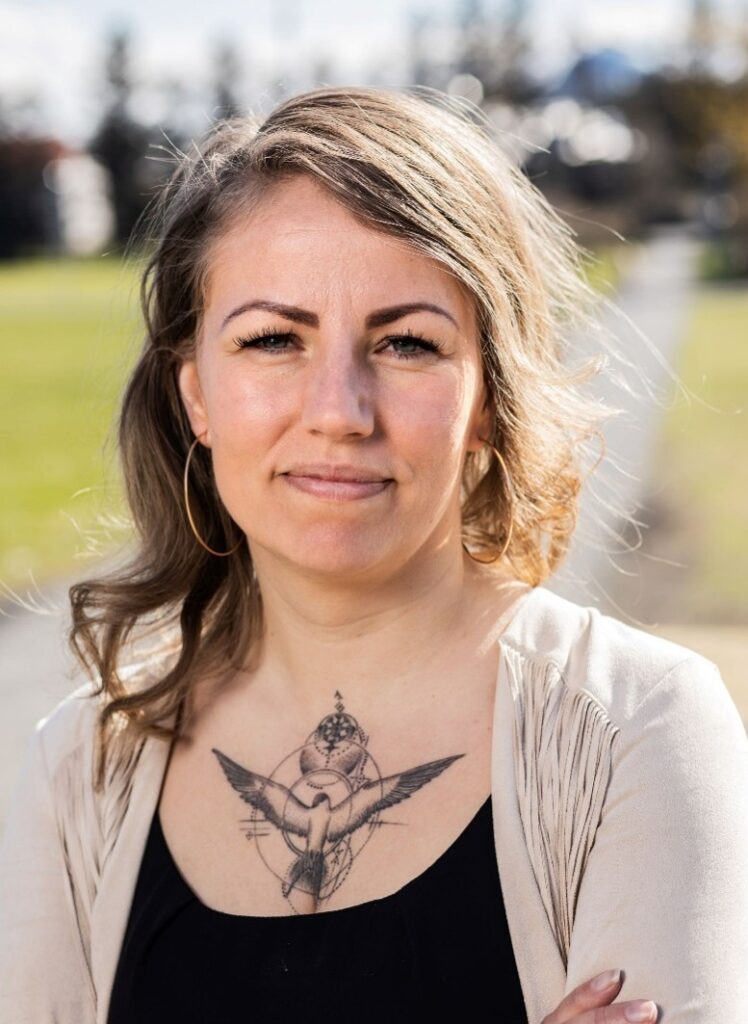
Sigurborg Ósk Haraldsdóttir
Project Manager, SSNE
Sigurborg Ósk Haraldsdóttir is a climate policy and urban development leader with expertise in housing, regional planning, and sustainable mobility. She currently leads climate and planning initiatives for SSNE, the Association of Municipalities in Northeast Iceland, and previously chaired Reykjavík’s Planning and Transportation Committee during a period of significant housing growth and urban transformation.
“The green transition happens locally. Through the RECET project and support from the EU LIFE Programme, Northeast Iceland developed a climate strategy that brings municipalities, businesses, and communities together around a common vision and practical actions for a sustainable future.”
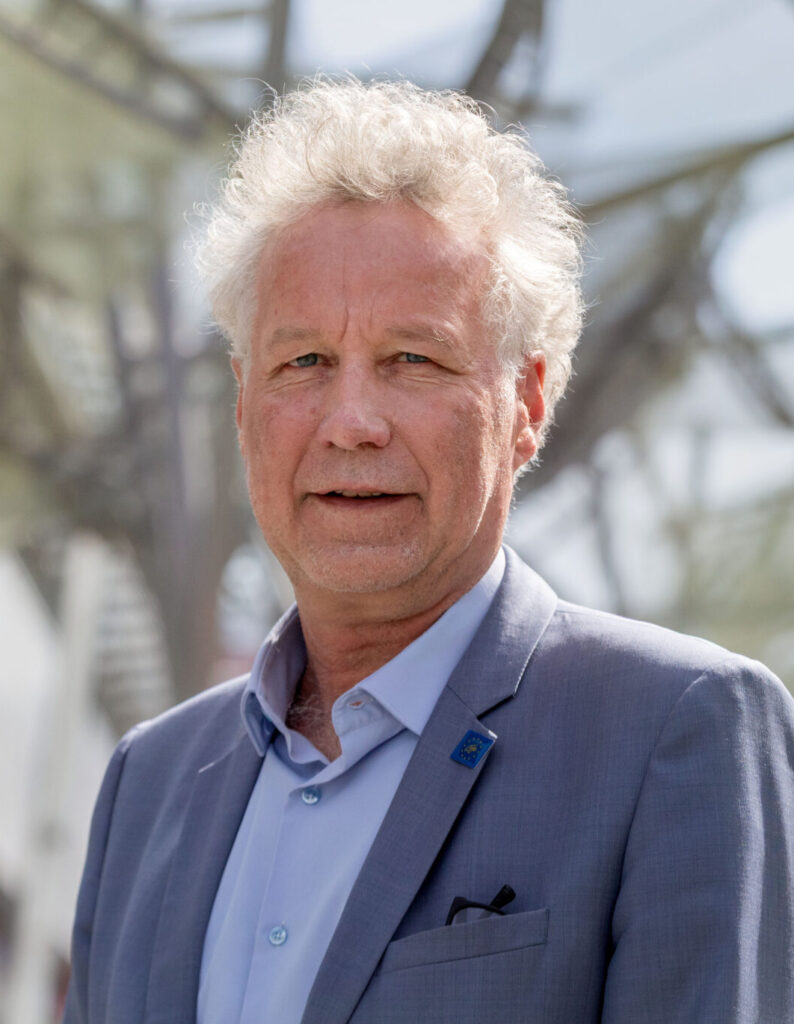
Hans Rhein
Head of Unit, LIFE programme
Hans Rhein is Head of Unit at the European Commission’s Executive Agency CINEA, responsible for the implementation of the LIFE programme. He has worked for the European Commission for over 25 years in different positions, first in the field of development aid and since 2012 in the field of energy. Before joining the European Commission, he worked with the United Nations and with international NGOs in Asia, Africa and Europe.


