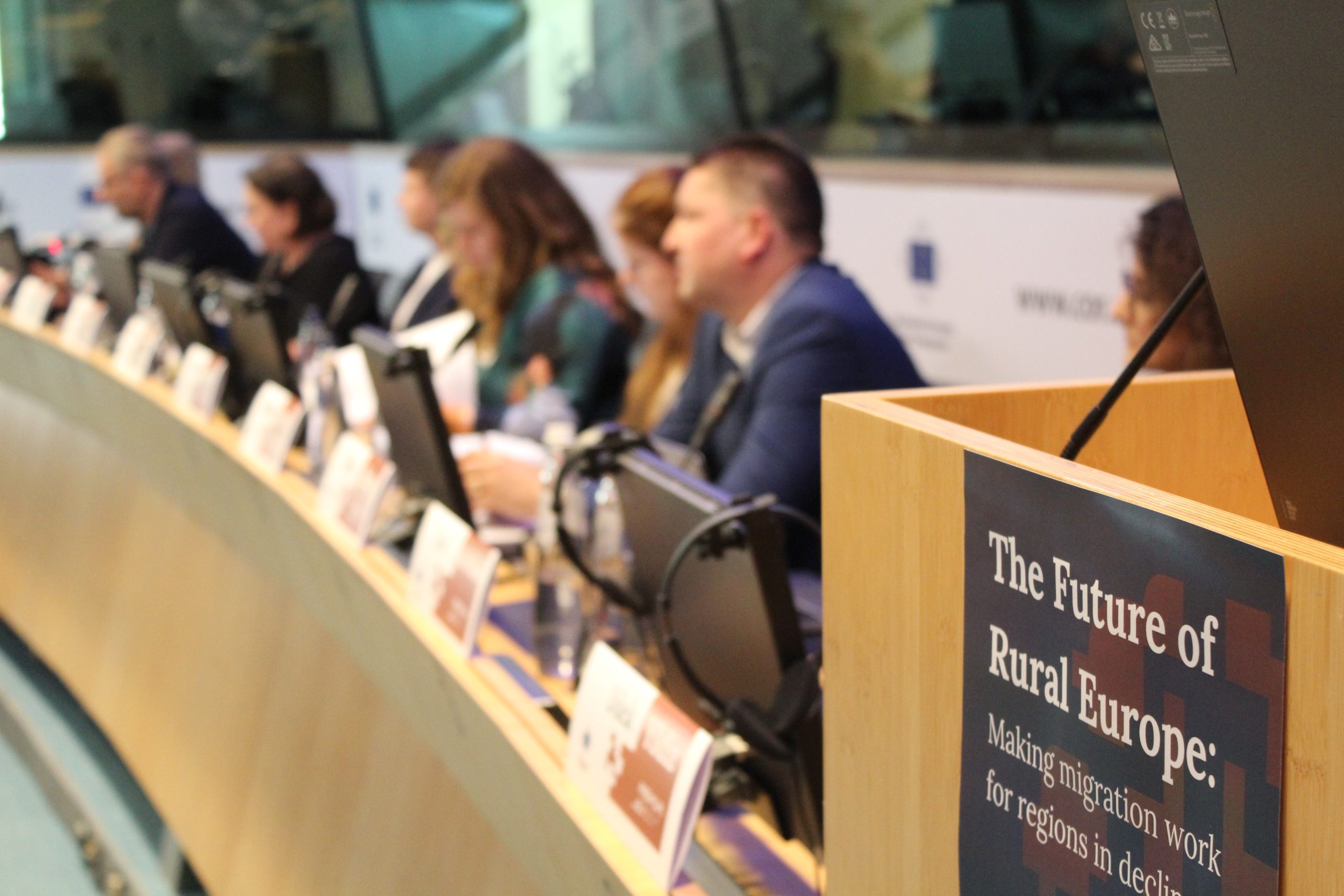
The future of rural europe 2026
Programme
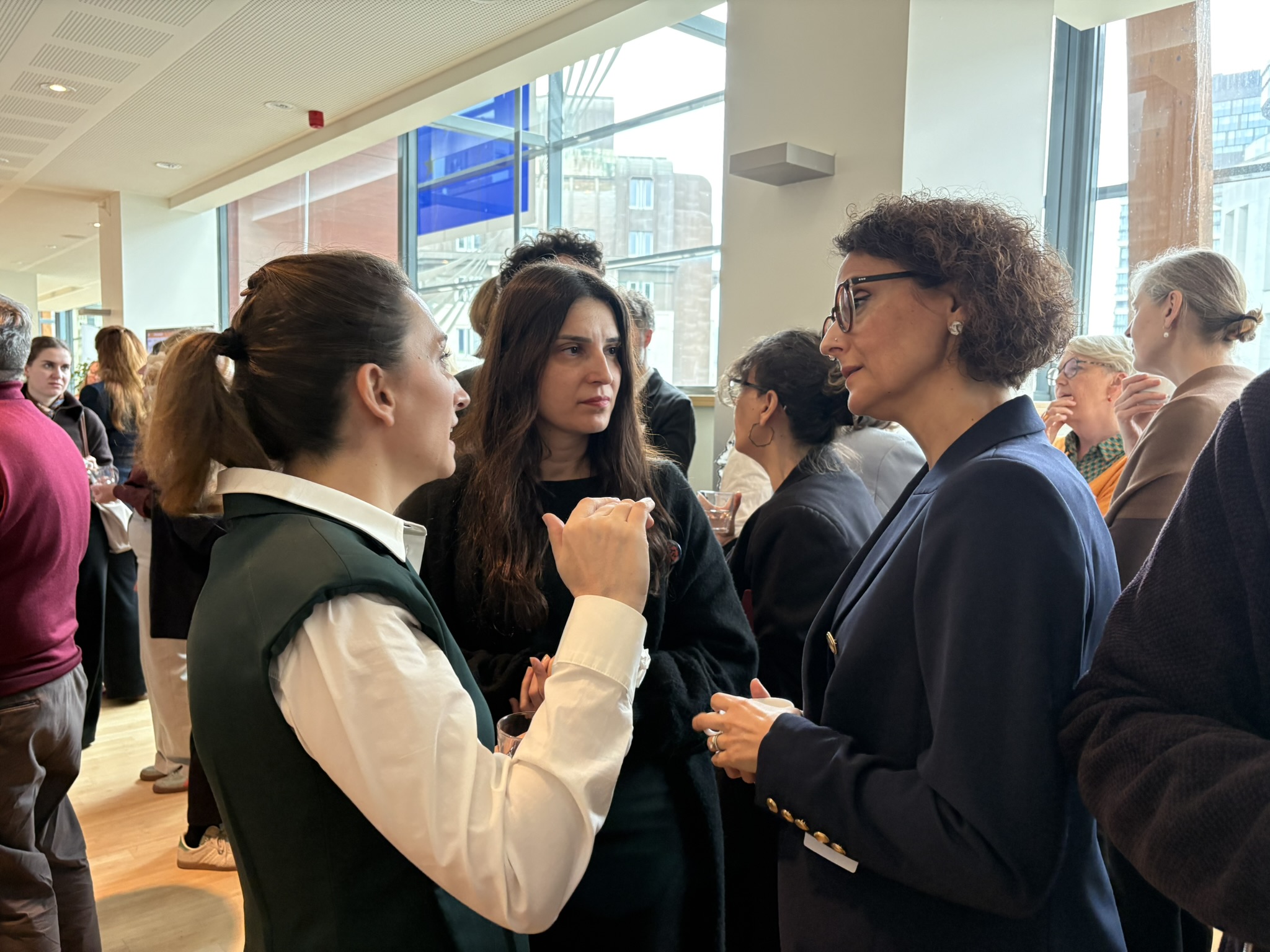
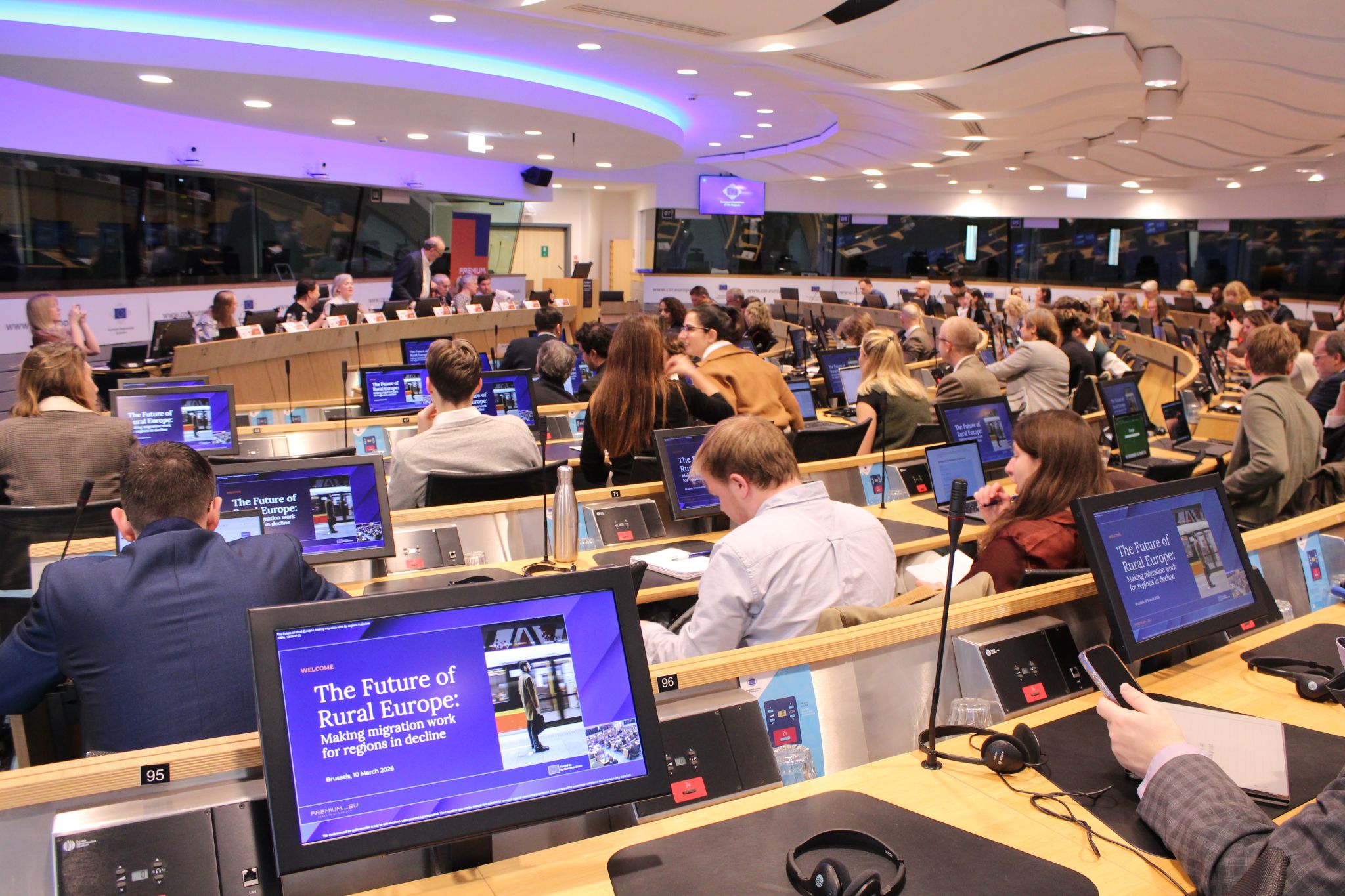
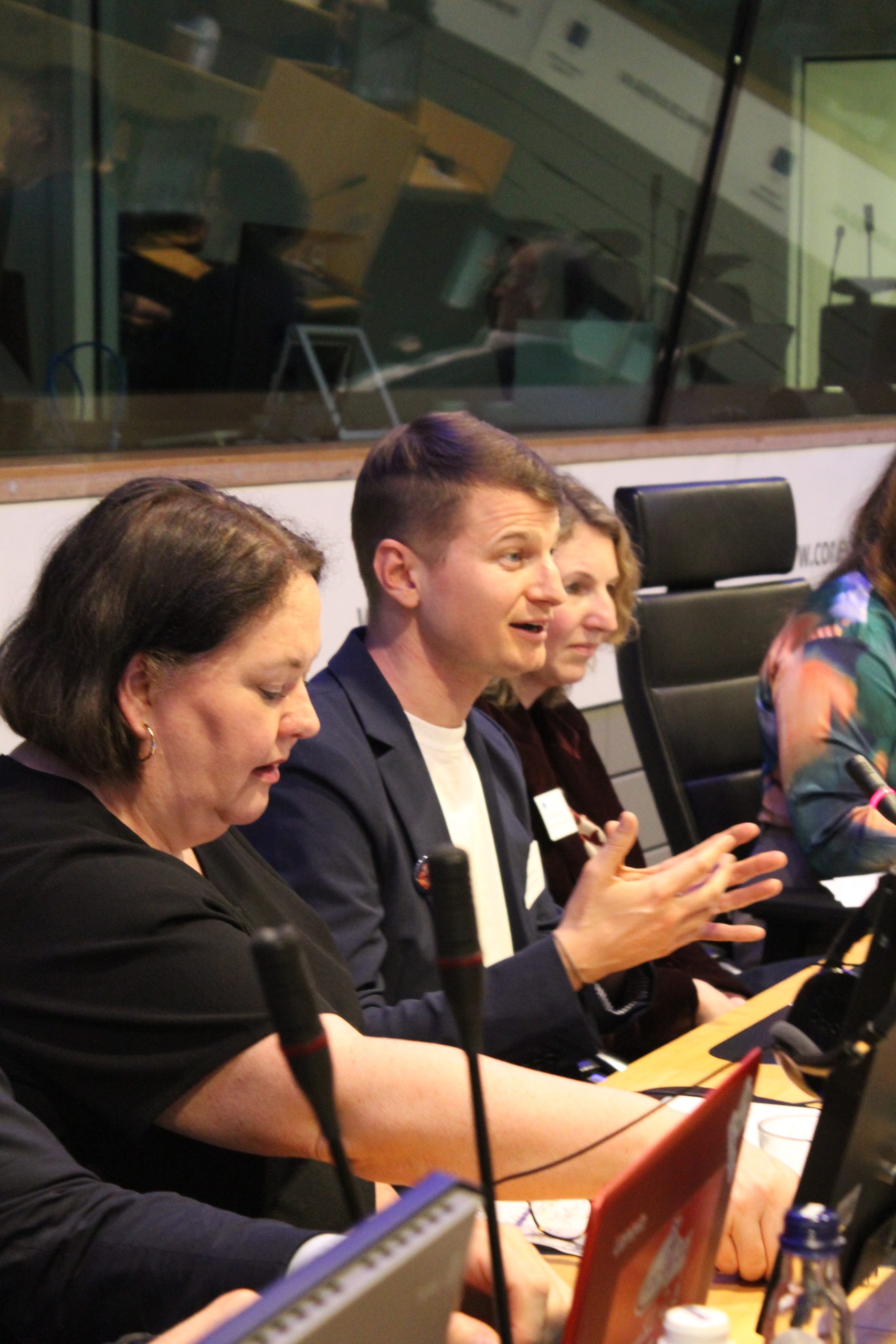
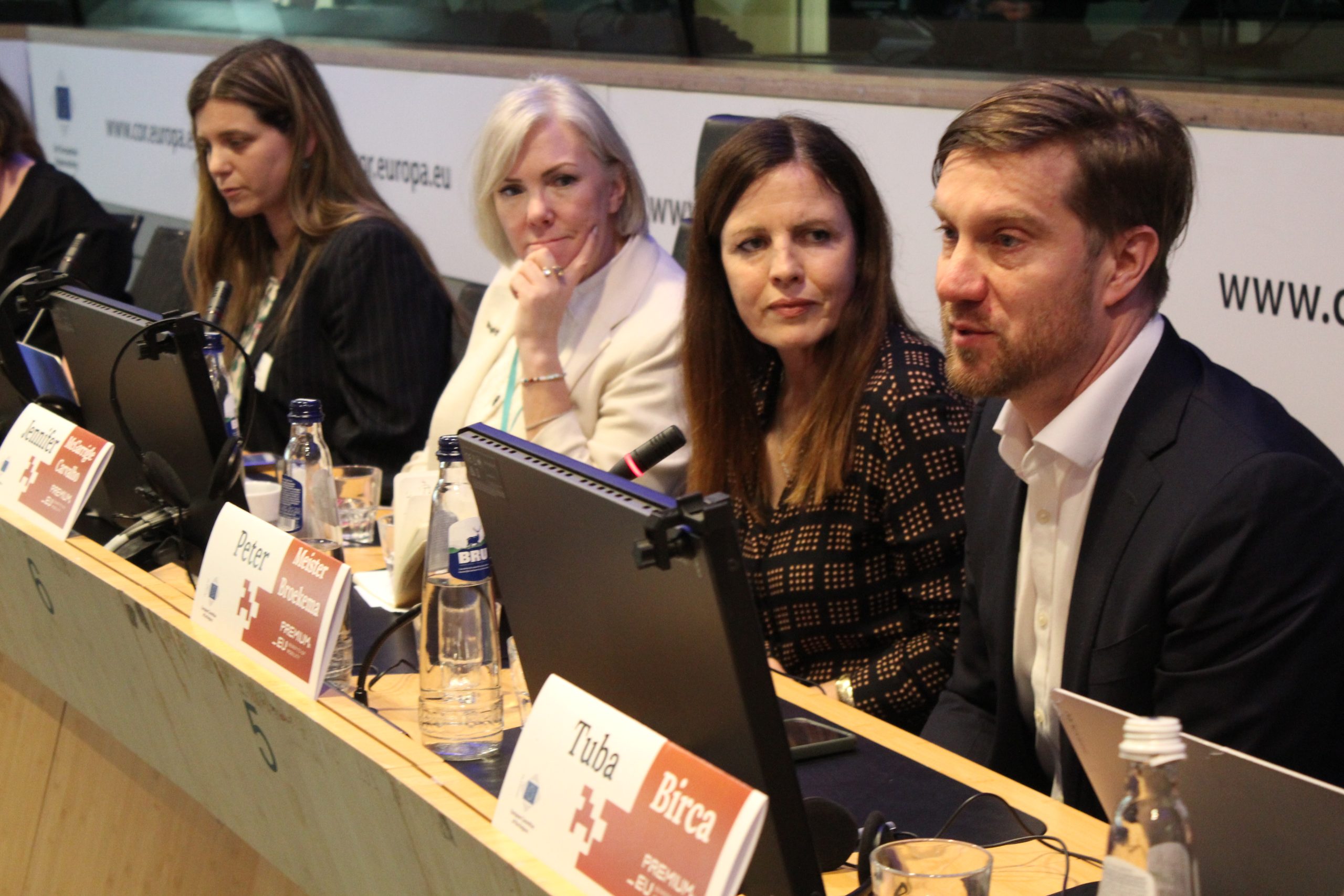
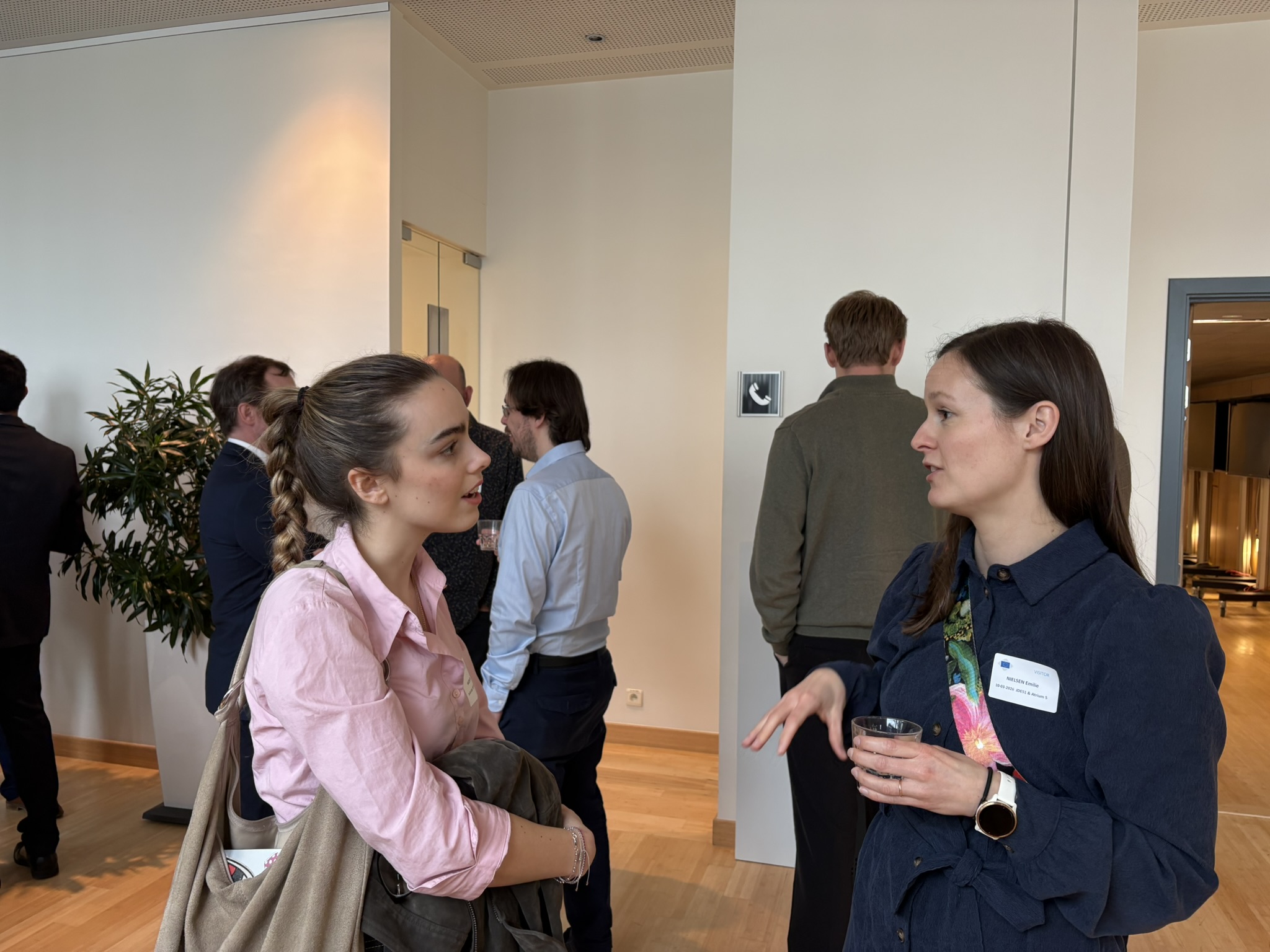
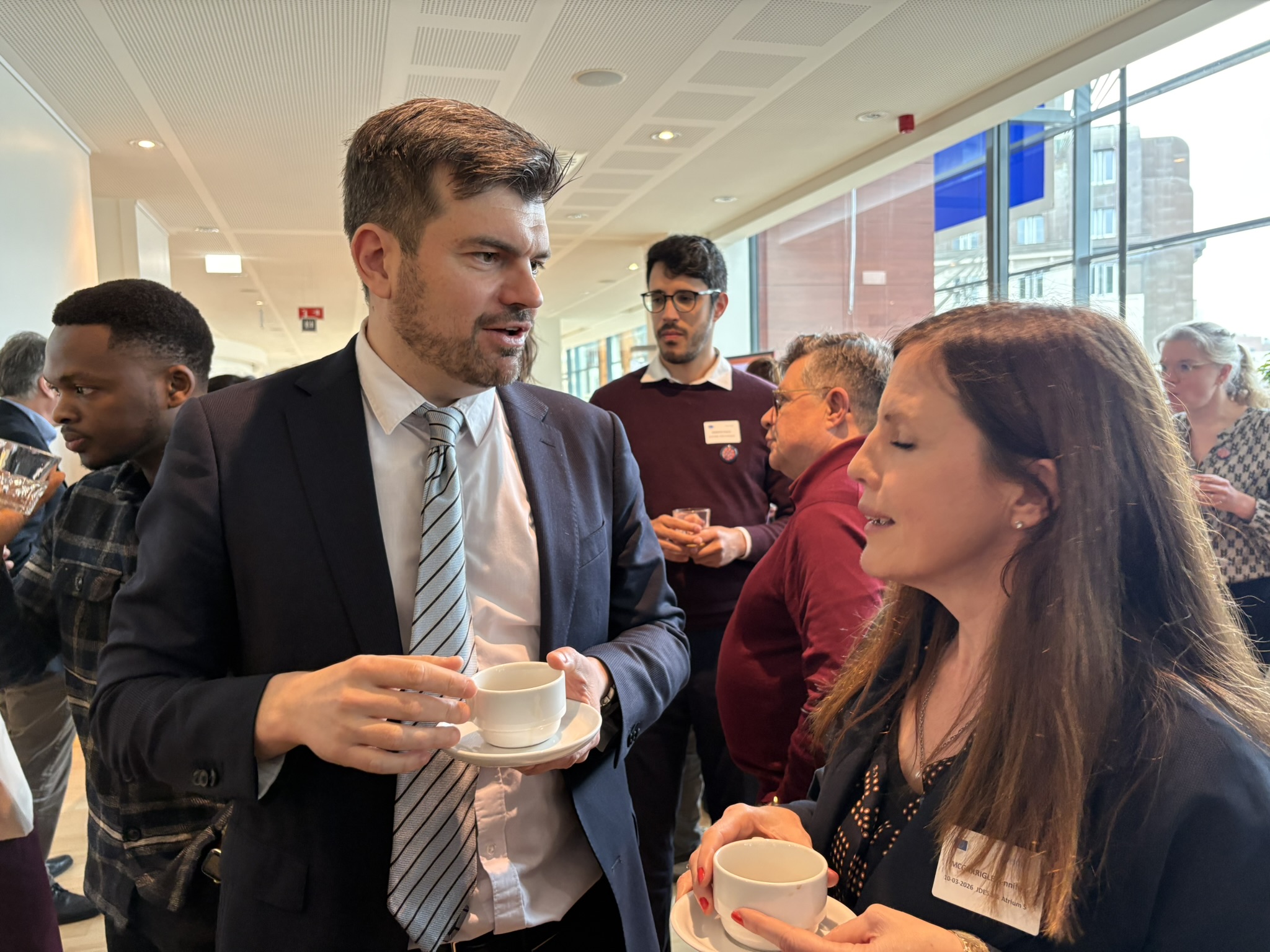
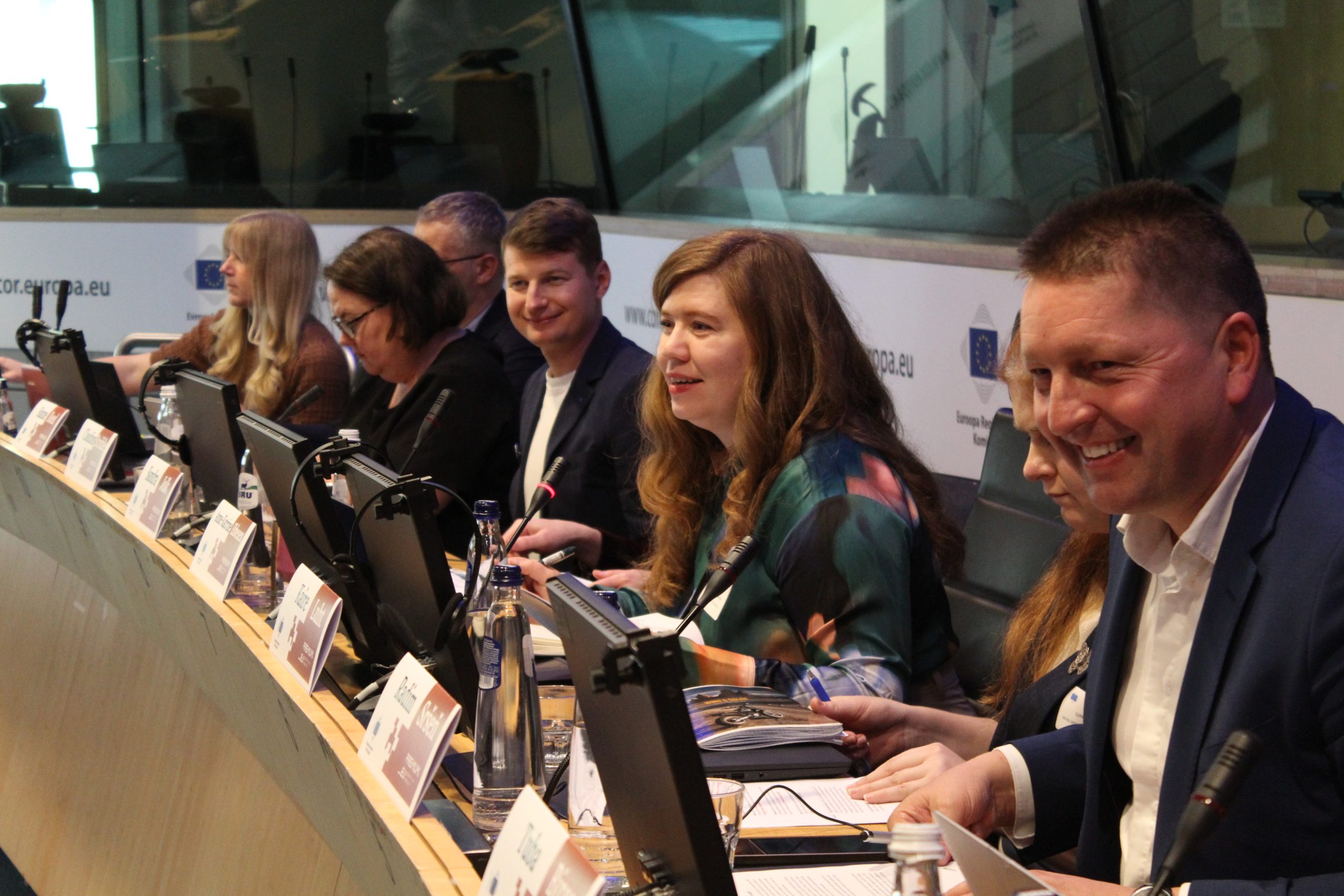
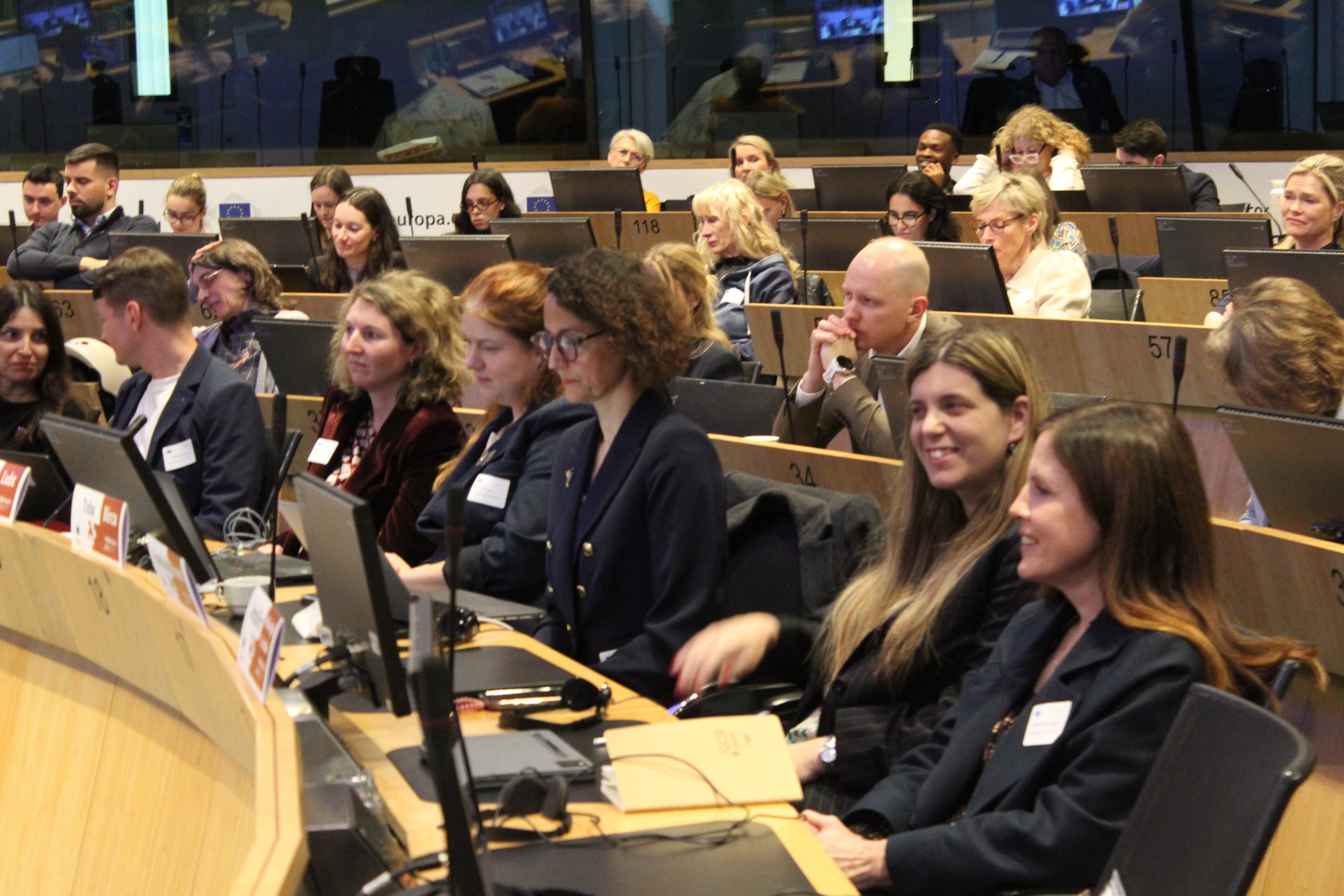
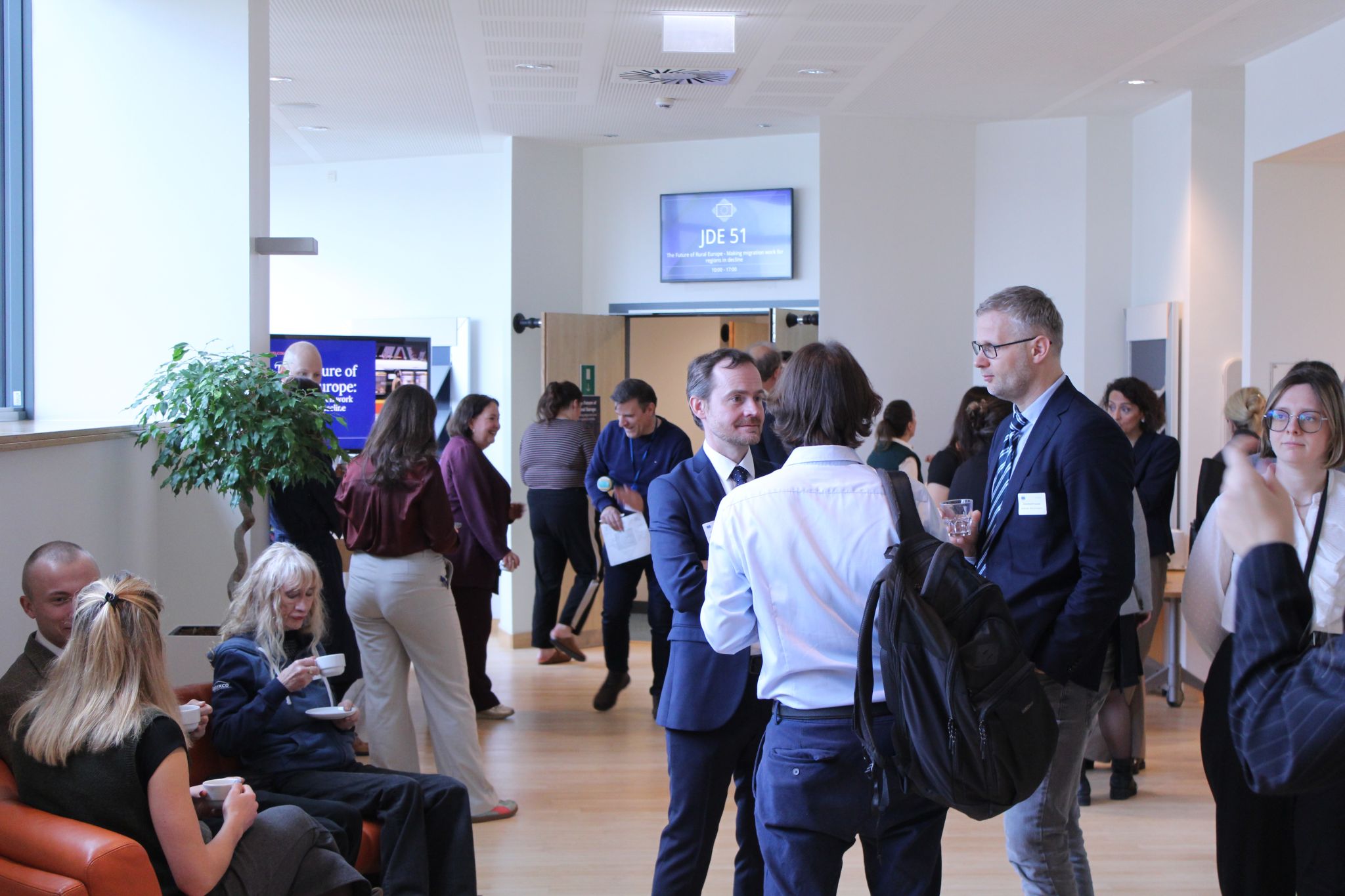
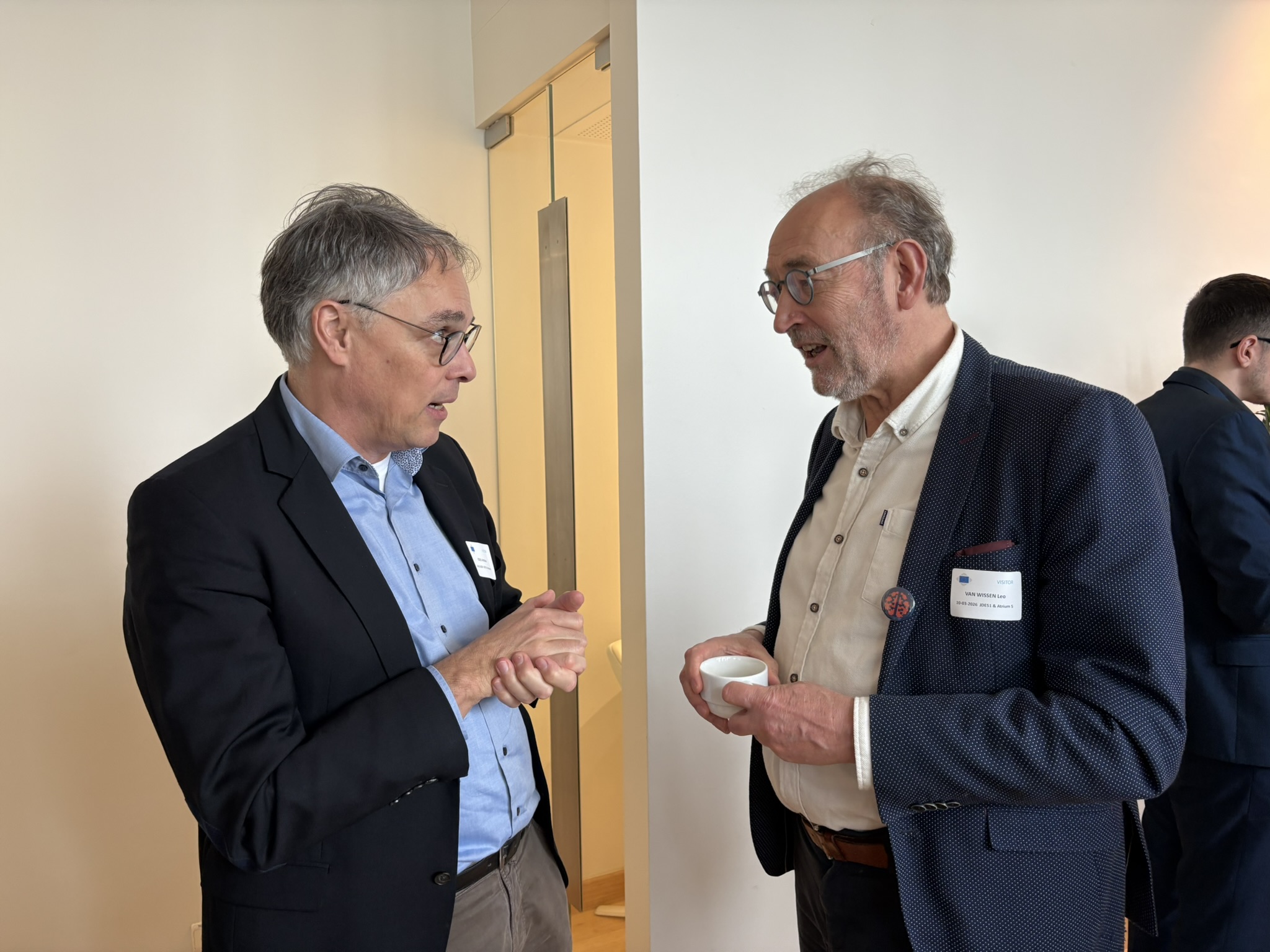
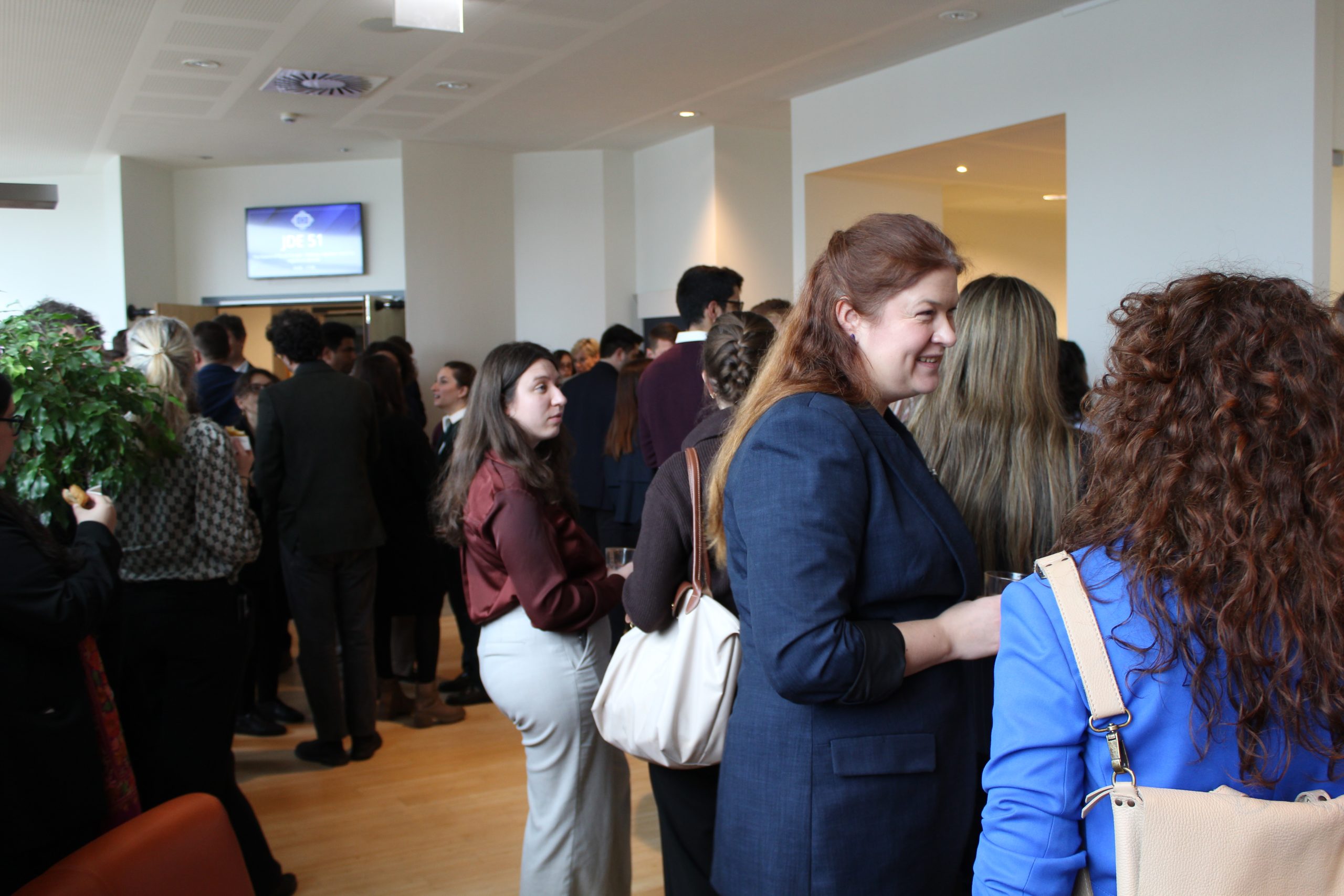
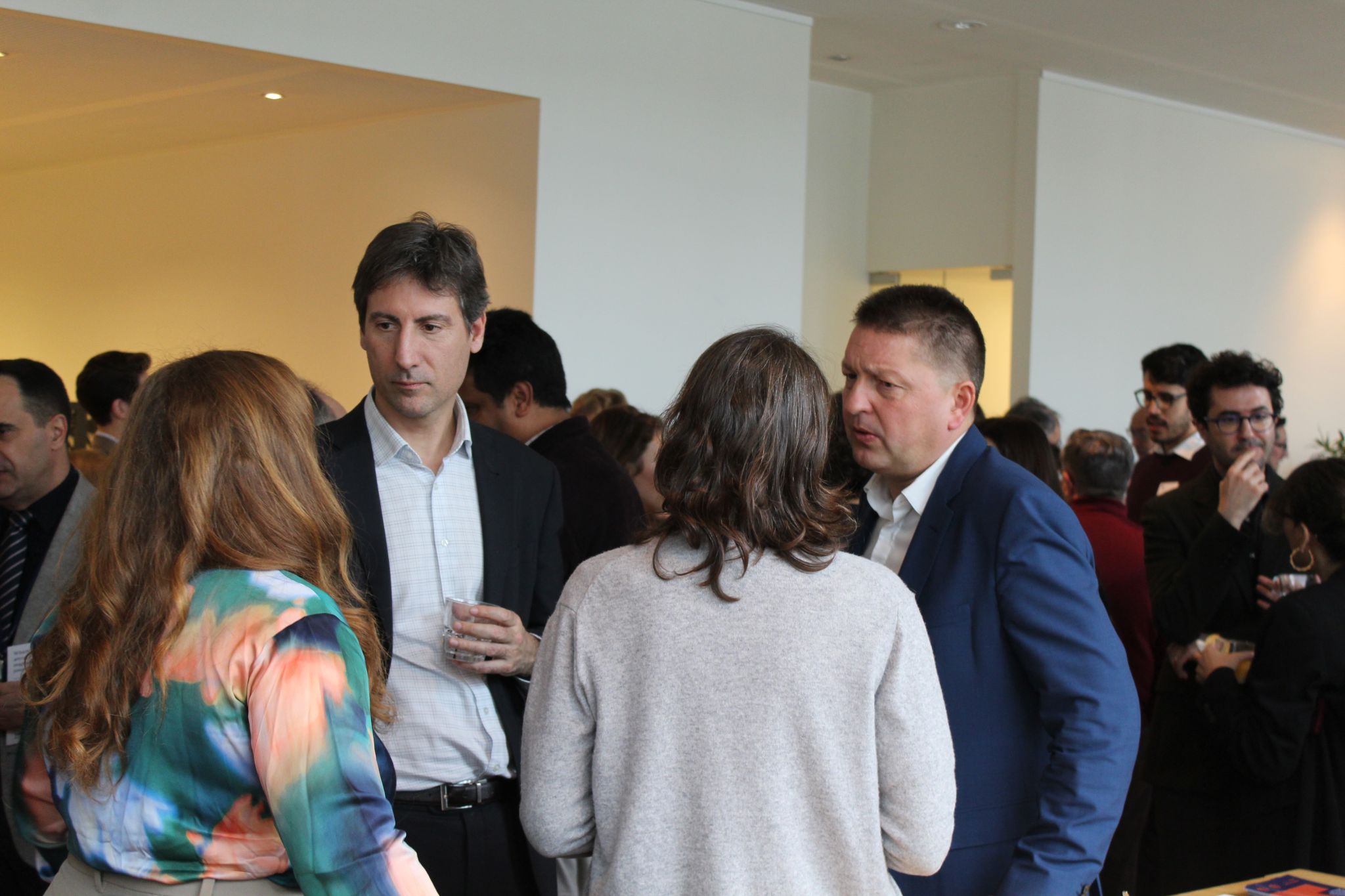
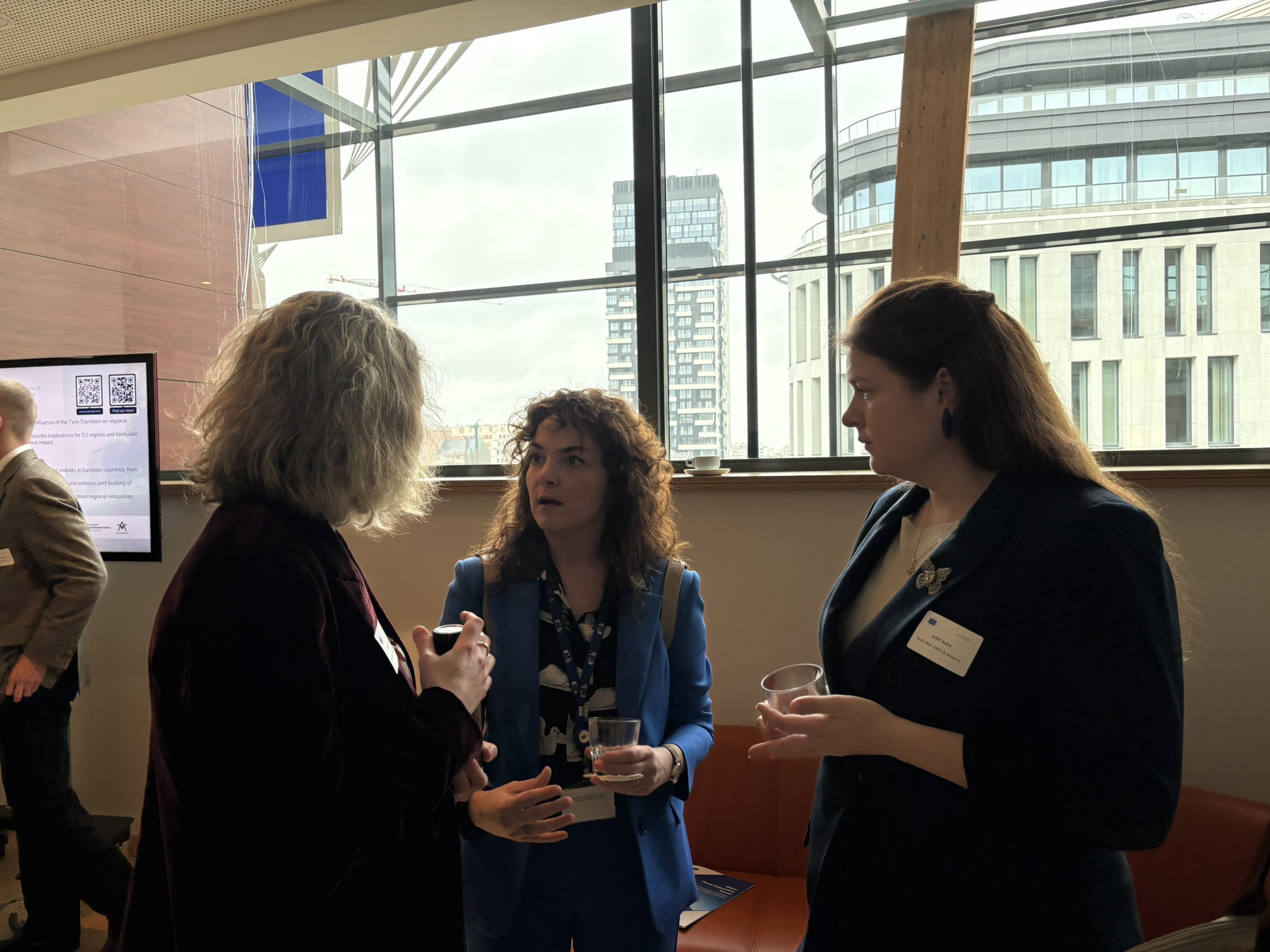
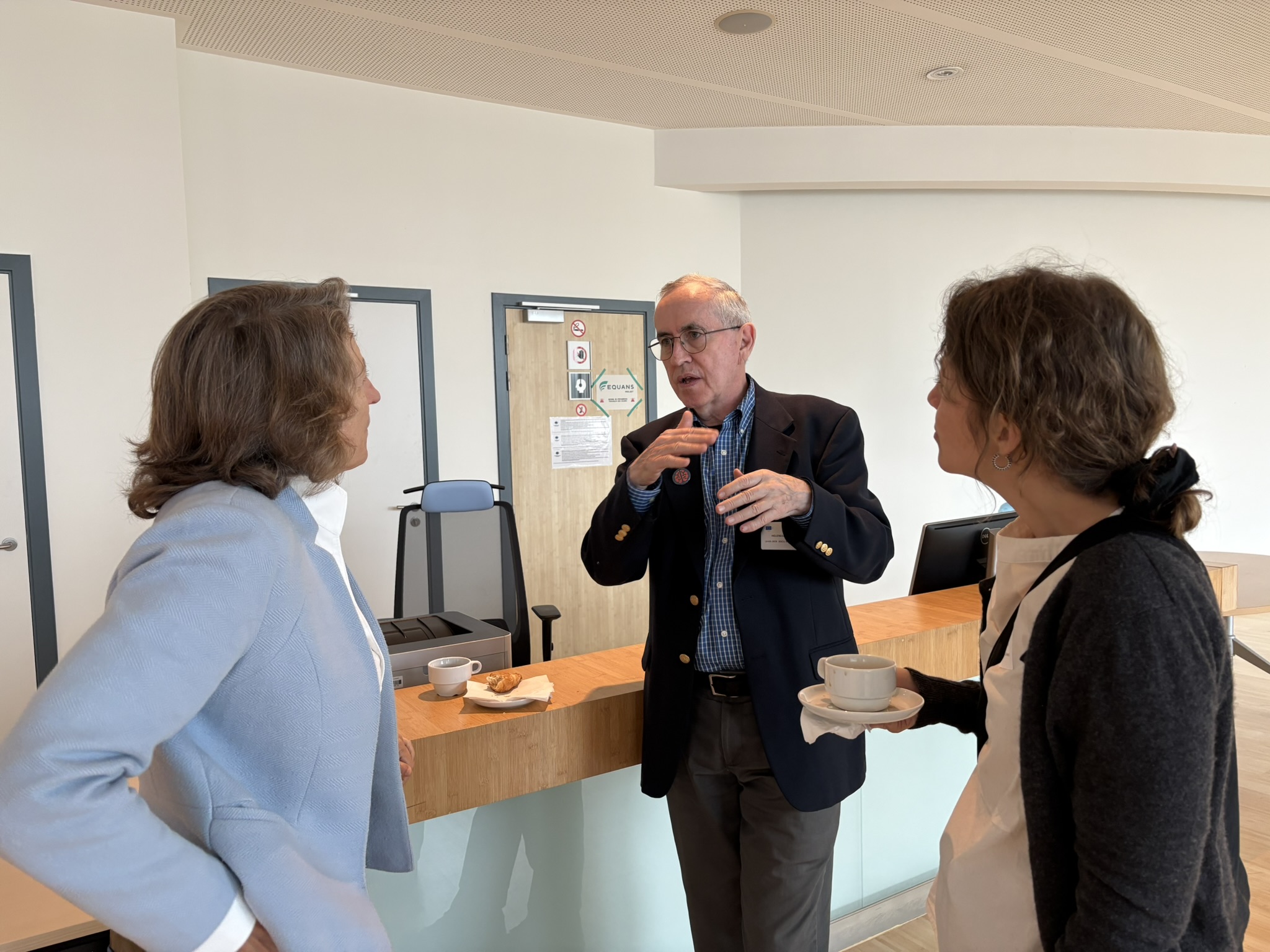
9 March: Optional drinks reception
Location: The 1040 – Brasserie and Rooftop Bar, Pl. Jourdan 1, 1040 Etterbeek – Maps (part of Sofitel).
Time: 18:00-19:00 CET
Welcome drink ahead of the conference to meet some of the speakers and team behind PREMIUM_EU. This reception is informal and a great way to connect with peers. Please note that drinks are at your own expense.
10 March: Conference programme
09:00-10:00
Registration and coffee
10:00 Welcome & opening remarks
- Hanne Roed, the European Committee of the Regions, Renew Europe
- Prof. Leo van Wissen, Project Manager, PREMIUM_EU
- Conference host: Jennifer Baker, EU policy and tech reporter
Watch recording:
10:15 Opening dialogue
Rural Europe 2050: A live reality check
- Peter Meister Broekema, Lead Policy Researcher, PREMIUM_EU
Watch recording:
10:30 Research presentations
More than economics: A broader view of regional development
- Korrie Melis, Hanze University of Applied Sciences
Is infrastructure enough? The case of decline in the Faroe Islands
- Timothy Heleniak, Nordregio
More than economics: A broader view of regional development
Regional development is one of the EU’s key strategies for improving equality and living standards across Europe. But what exactly does regional development mean, and how can we approach it?
Historically, regional development has long been approached as economic development. In the PREMIUM_EU project, we see regional development as much more than economic growth alone. It is a broad, interconnected concept that includes social conditions, the quality of living environments, political contexts, and demographics alongside those ever-important economic factors.
In the presentation, we illustrate why this wider perspective is especially valuable for rural regions. It highlights new ways of understanding their development and opens up possibilities for different policy strategies that better match their specific needs and opportunities.
Watch recording
Is infrastructure enough? The case of decline in the Faroe Islands
Over the last six decades, the Faroe Islands, an 18-island archipelago in the North Atlantic, undertook a massive road construction project. The project included building many tunnels, the first of which opened in 1963, and sub-sea tunnels; the most recent one was inaugurated in December 2024. Transport infrastructure lies at the foundation of the country’s development, and ferry lines have been progressively replaced by fixed links regardless of socio-economic conditions, such as the economic and demographic collapse after the crash of the fisheries in the early 1990.
This talk investigates the archipelago’s spatial and regional development over the last six decades to determine whether road expansion has contributed to the demographic sustainability of communities. This is done by analysing the development of transport infrastructure and its impact on population change at the regional, island, and village levels. Results show that fixed links have been critical in connecting distant villages and islands together across the archipelago. Yet, the few exceptions of the so-called ‘outer islands’ demonstrate that tunnels alone have been insufficient to achieve a demographically balanced country. While the Faroe Islands have a unique physical geography, there are lessons for other remote rural regions facing accessibility challenges.
Watch recording
11:00 Live demo
The Resilient Regions Policy Dashboard: a knowledge tool and digital community to tackle demographic decline
- Becky Arnold, Netherlands Interdisciplinary Demographic Institute
Watch recording
11:30
Coffee break
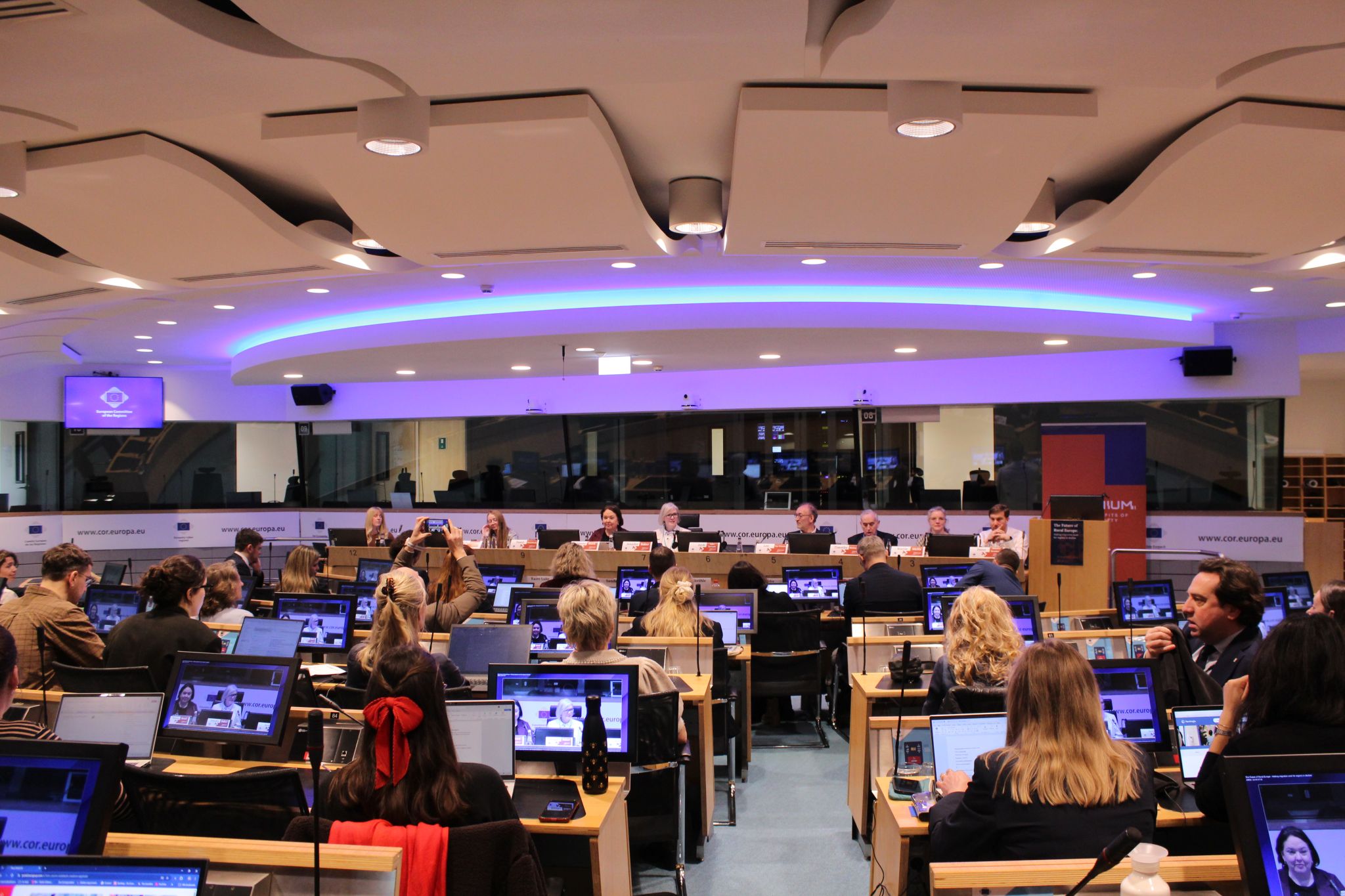
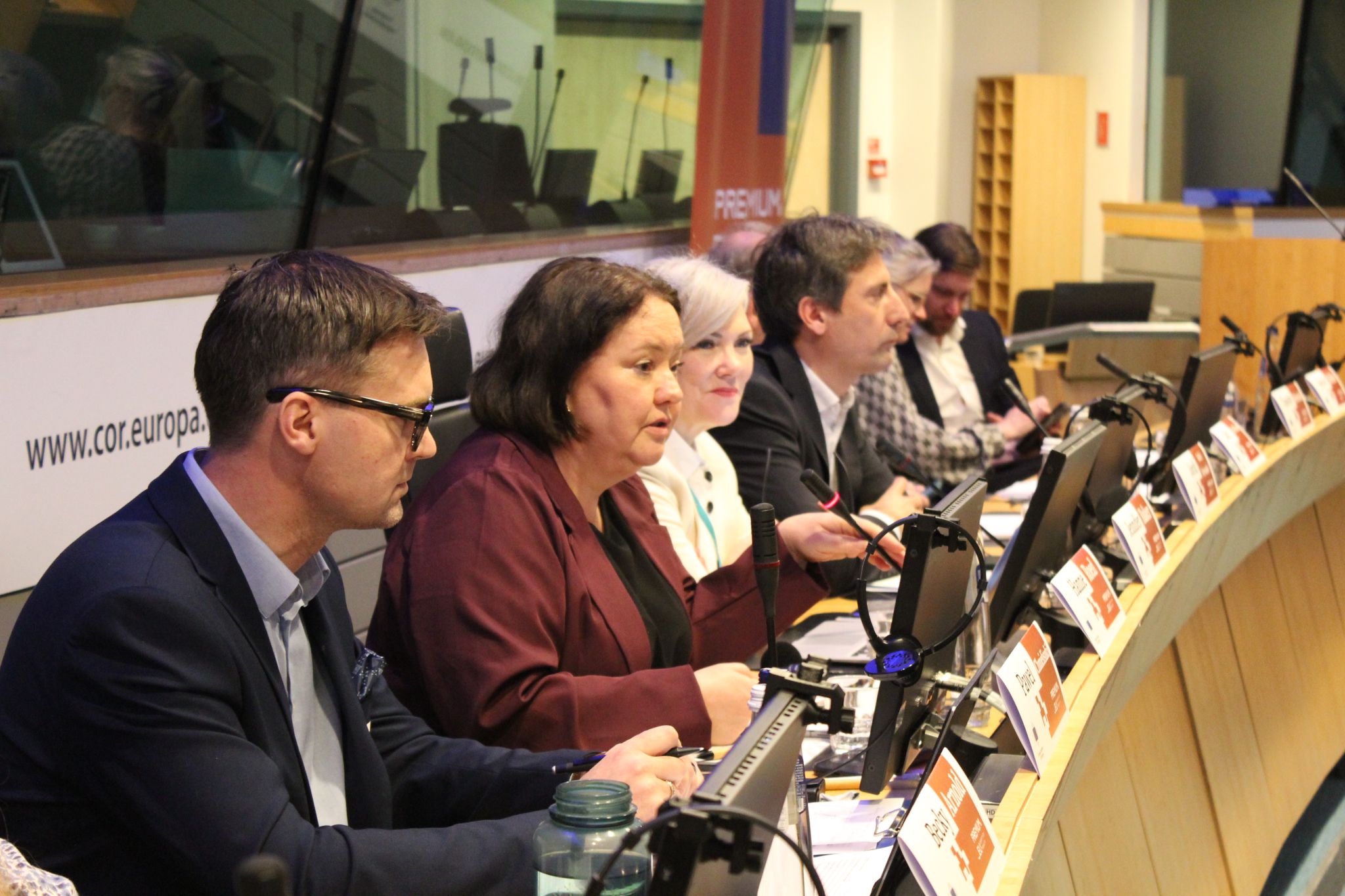
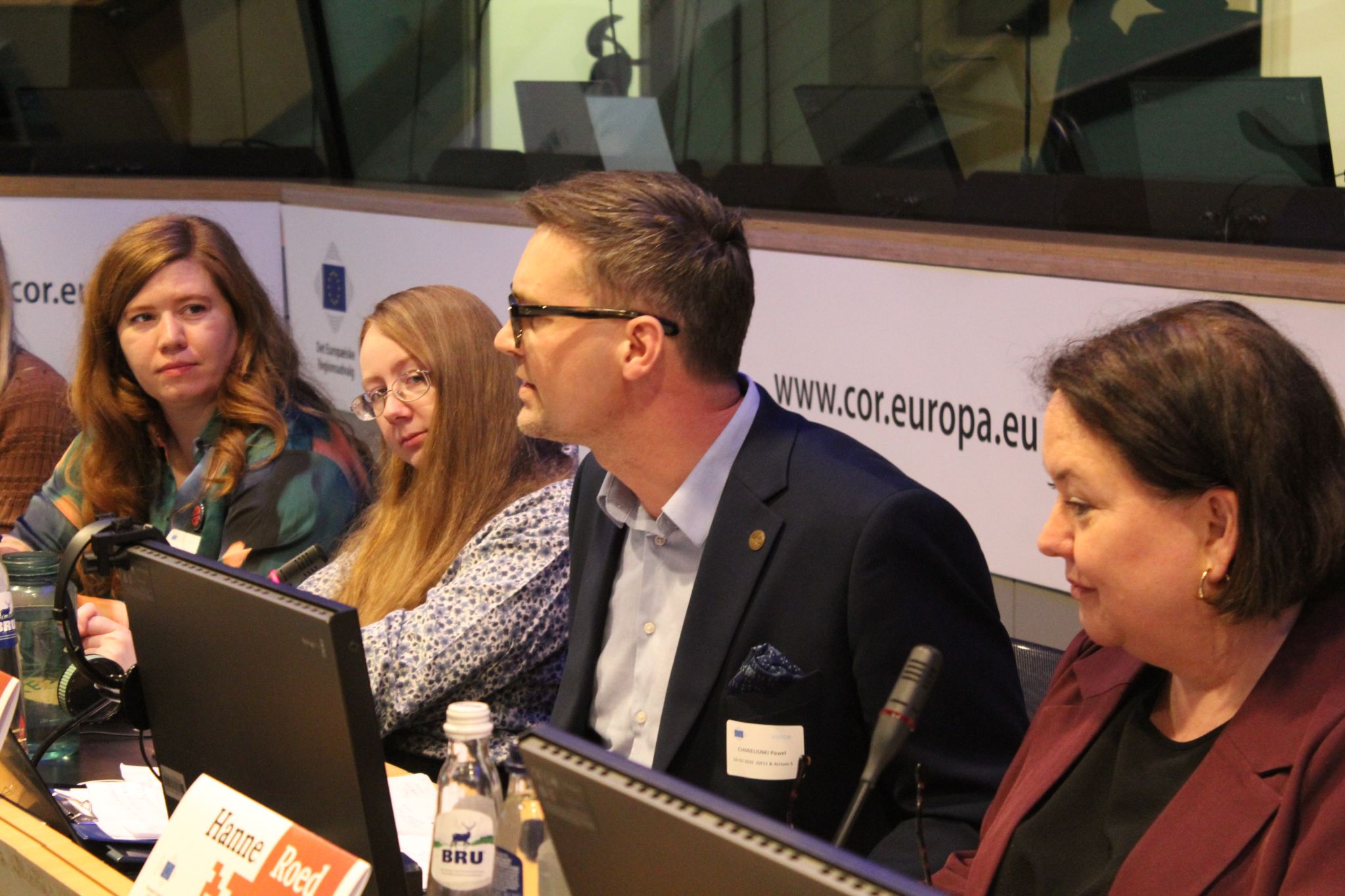
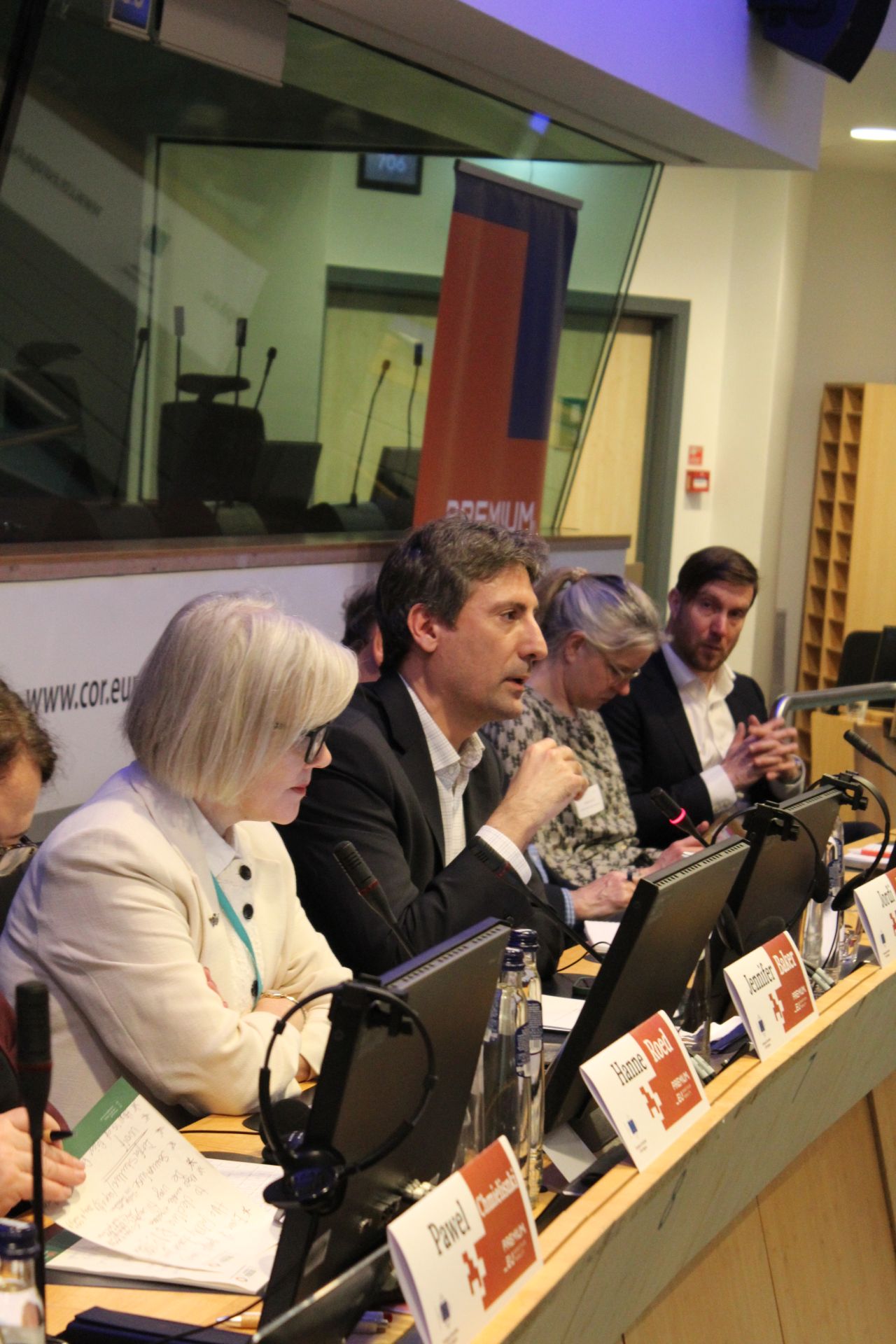
12:00 Panel debate
What makes people stay and what brings them home?
- Hanne Roed, European Committee of the Regions, Denmark
- Pawel Chmielinski, President of European Rural Development Network & Polish Academy of Sciences, Poland
- Jordi Solé I Ferrando, Head of Brussels Office, Catalan Association of Municipalities
- Prof. Leo van Wissen, Project Manager, PREMIUM_EU
- Moderator: Jennifer Baker, EU policy and tech reporter
Retention and return migration are crucial for resilience. This panel explores why people stay, why they leave, and what convinces them to return, highlighting practical policies that help regions maintain a stable, thriving population.
Watch recording
13:00
Lunch break
14:00 Research presentations
Who migrates to Europe? Our diverse demographic future
- Dilek Yildiz, International Institute for Applied Systems Analysis
- Prof. Leo van Wissen, Project Manager, PREMIUM_EU
Integration under pressure: Ukrainian displacement in a regional perspective
- Konrad Pedziwatr, Krakow University of Economics
Who migrates to Europe? Our diverse demographic future
Drawing on PREMIUM_EU’s harmonised data on international country-to-country migration and internal region-to-region mobility Dilek Yildiz and Leo van Wissen directly compare these two population flows. Her presentation examines how internal migration and international migration differ in scale, selectivity, distance, life-course timing and socio-demographic composition.
Do people who move from rural to urban regions within their own country resemble those who migrate abroad? Are motivations primarily economic in both cases, or does international migration respond more strongly to structural inequalities between countries?
Watch recording
Integration under pressure: Ukrainian displacement in a regional perspective
This presentation explores how rural and intermediate regions respond to rapid population growth, labour-market integration challenges, and institutional pressures. What can Ukrainian displacement teach us about diaspora networks, onward mobility, return intentions and long-term settlement? And how can regions turn a demographic shock into an opportunity for resilience?
Konrad’s presentation situates forced migration within the broader PREMIUM_EU agenda: understanding how different forms of mobility affect vulnerable regions and what integration efforts can tell us about the capacity of rural Europe to adapt.
Watch recording
14:30 Panel debate
Brain gains: What makes a region truly attractive to migrants today?
- Sandra Jolk, OECD Centre for Entrepreneurship, SMEs, Regions and Cities
- Kaire Luht, Ministry of Regional Affairs and Agriculture, Estonia
- Radim Sršeň, European Committee of the Regions, Czech Republic
- Claudius Ströhle, Migration Case Studies, PREMIUM_EU, IIASA
- Tuba Bircan, Head of AIMS Lab: Migration & Society Research Unit
- Moderator: Anne Katrine Ebbesen, Communications Manager of PREMIUM_EU, Nordregio
This panel looks closer at the balancing act behind attraction strategies. The classics are there: jobs, housing, infrastructure. But how do you cultivate a sense of belonging and a high quality of life in smaller towns and remote places? And what can rural regions learn from each other?
Watch recording
15:30
Coffee break
16:00 Q&A
What’s next for regional innovation: Lessons from Europe’s research frontline
- Anastasia Panori, MOBI-TWIN project
- Jennifer McGarrigle Carvalho, Re-Place project
- Peter Meister-Broekema, PREMIUM_EU project
- Moderator: Jennifer Baker, EU policy and tech reporter
Watch recording
16:40 Closing words
The future of resilient regions in decline
- Tuba Bircan, Head of AIMS Lab: Migration & Society Research Unit
Watch recording
16:50 Wrap-up
- Hanne Roed, the European Committee of the Regions, Renew Europe
- Prof. Leo van Wissen, Project Manager, PREMIUM_EU
17:00
Conference ending