The future of rural europe 2026
Speakers
Meet the speakers
Explore the profiles below to learn more about the people driving the conversation.
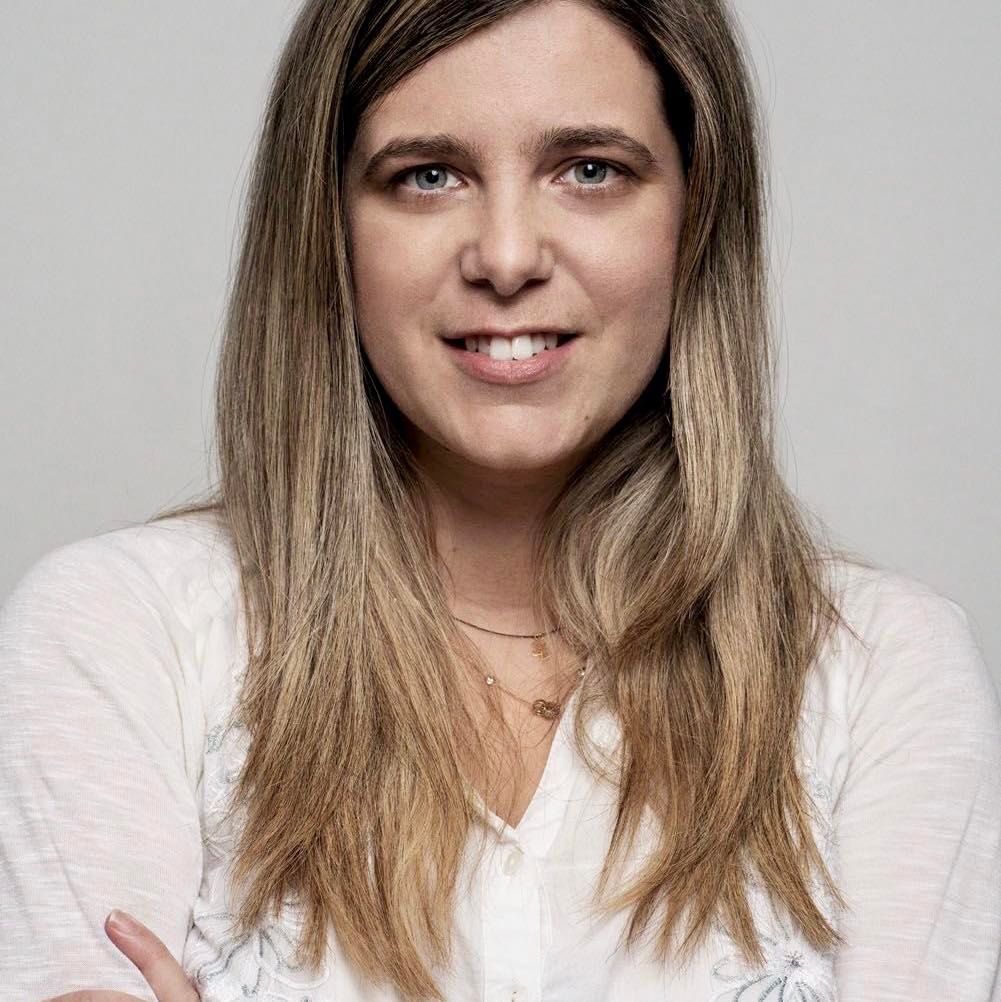
Anastasia Panori
Assistant Professor, the School of Spatial Planning and Development, Aristotle University of Thessaloniki / MOBI-TWIN
With a background in Electrical and Computer Engineering, an MSc in Economics, and a PhD in Economic and Regional Development, Anastasia Panori’s work focuses on regional development, labour markets, data science, and research & innovation strategies. She has led and contributed to numerous EU- and nationally-funded projects on evidence-based policymaking and digital innovation, and has extensive experience in quantitative analysis, spatial analytics, and big data. Her research portfolio includes journal articles, book chapters, and Horizon Europe projects.

Anne Katrine Ebbesen
Senior Communications Advisor, Nordregio / PREMIUM_EU
Anne Katrine has an academic background in rhetoric, specialising in campaign analysis, speechwriting and political discourse. Understanding exactly how language changes minds and behaviour, is what Anne Katrine is interested in. Most of her professional experience is from the fields of migration, human rights and public safety – designing strategies, writing/recording/editing content and leading projects.

Becky Arnold
Postdoctoral Researcher, the Netherlands Interdisciplinary Demographic Institute / PREMIUM_EU
Becky Arnold’s research focuses on the landscape of regional development across Europe, how it has changed in recent years, and how development intersects with demographic challenges such as depopulation, ageing, brain drain, and selective outmigration. She explores how these processes are moderated by urbanisation, and their implications for regional development policy.
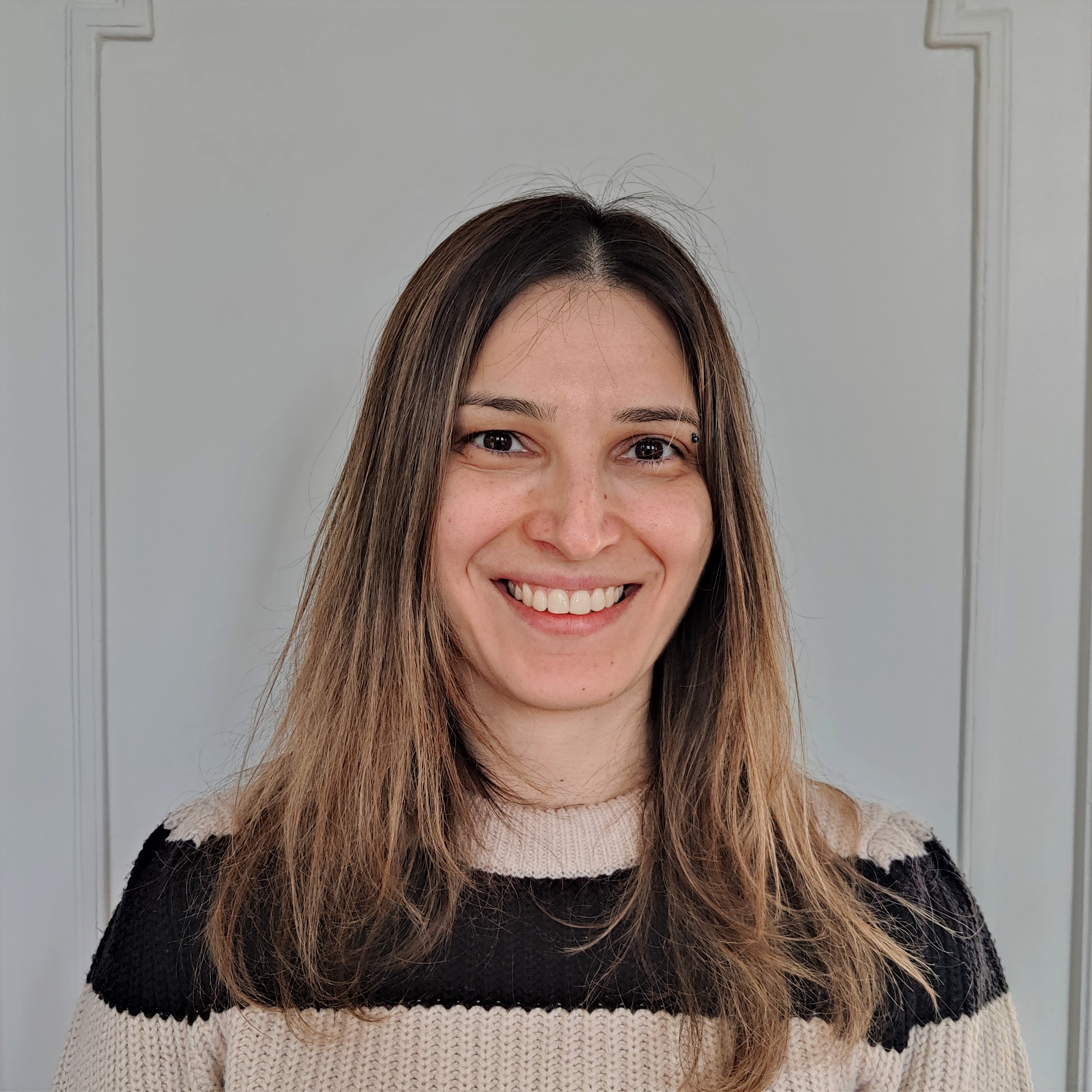
Dilek Yildiz
Postdoctoral Researcher, International Institute for Applied Systems Analysis / PREMIUM_EU
Dilek Yildiz is a postdoctoral researcher at the Vienna Institute of Demography. She joined the World Population (POP) Program as a research scholar in July 2017 and completed her PhD on ‘Combining administrative data sources to estimate population counts’ at the University of Southampton, Department of Social Statistics and Demography, in 2016.
Her current research interests are in statistical demography, with a focus on Bayesian projections/reconstructions of multistate populations, population count estimates, and investigating the use of big data sources.
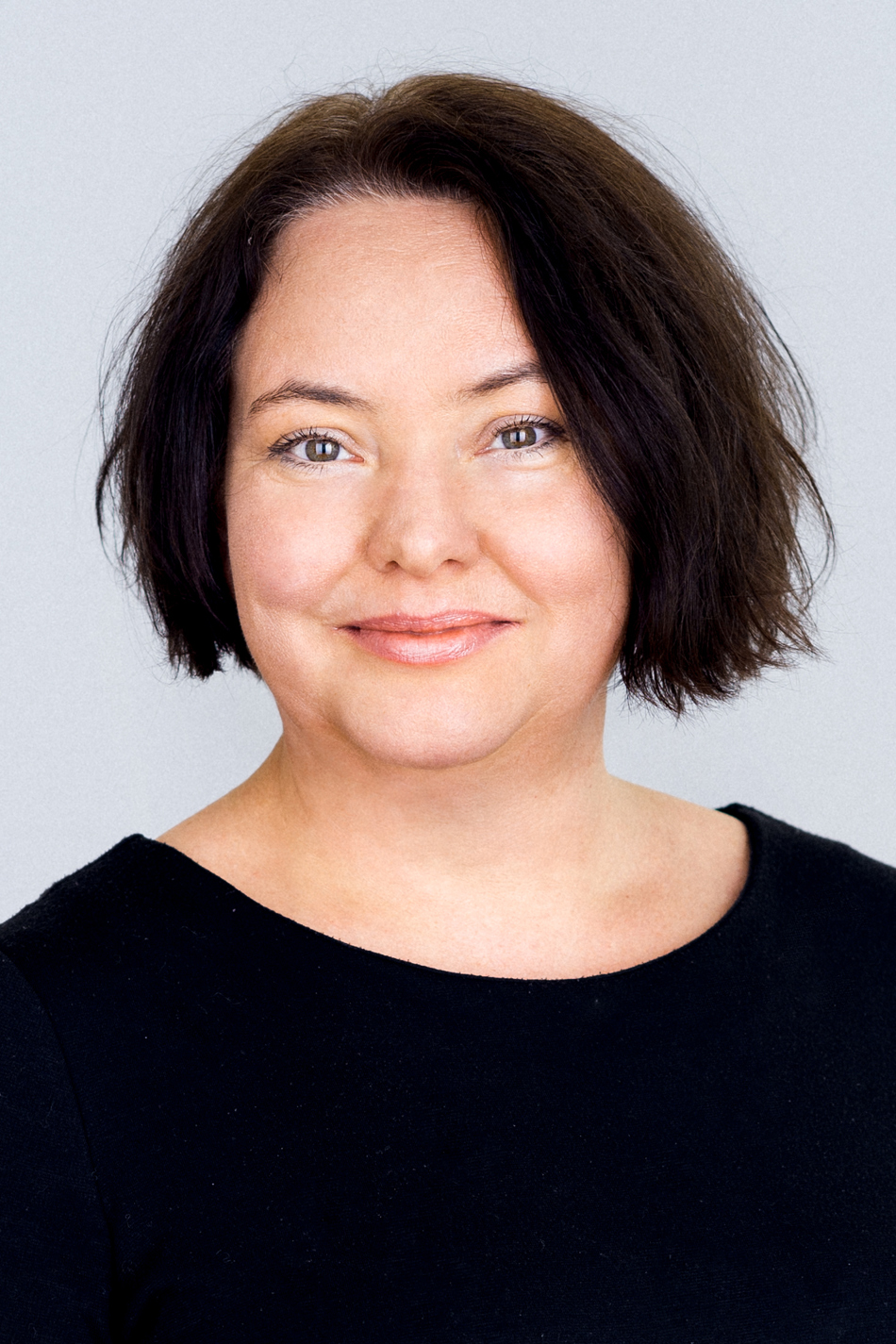
Hanne Roed
European Committee of the Regions, Renew Europe
Hanne Roed is both a member of the European Committee of the Regions and a member of the Regional Council of Central Denmark Region since 2012. During those year she has worked especially with rural development strategies, including in the Danish Regions’ National Committee for Regional Development, as well as with health services and education policies.
Hanne graduated with a Master of Science degree from Aarhus University in Political Science and Administration. Has worked professionally mainly within the social field, both with development processes and with citizens. Hanne lives in Aarhus, in Jutland, Denmark, with her family.

Jennifer McGarrigle Carvalho
Assistant Professor in Human Geography at IGOT-U Lisboa / Re-Place
Jennifer McGarrigle Carvalho is an Associate Professor and Principal Researcher of the Re-Place project, funded by Horizon Europe (2023-2027). McGarrigle holds a PhD in Urban Studies from the University of Glasgow (2006), supported by an ESRC competitive grant. Currently, she is on the Commission of Directors, as one of two vice directors, of the Centre for Geographical Studies and sits on the Scientific Council of the institute. She is co- coordinator of MIGRARE one of the six research groups at CEG and is the instiutional coordinator of the PhD in Migration Studies.
She has sat on the Editorial Board of Finisterra since 2015. At CEG/IGOT, she has worked on 11 international competitively funded research projects and 7 national competitively funded projects. In 2019, she founded the Research Initiative PriMob on privileged mobilities within the international network of excellence IMISCOE of which she has been member since 2005. She currently sits on the Board of Directors of IMISCOE.

Jennifer Baker
Conference host and Moderator
Better known as Brusselsgeek, Jennifer has been a journalist in print, radio and television for more than 20 years, the last 10+ specialising in EU policy and live event presentation.
Regularly listed as one of the top influencers in the EU bubble, Jennifer was awarded #1 TechInfluencer 2019 by ZN, was listed by Politico as one of the Top 20 Women Shaping Brussels. 2017, and was named by Onalytica as one of the world’s Top 100 Influencers on Data Security.
She regularly features as an EU expert on BBC radio, Euronews, SkyNews and others. From editing a national daily paper in Malta, to reporting on European affairs for Middle Eastern television, she has worked across a wide range of media, and has written for some of the biggest names in publishing. Jennifer has a wealth of experience in navigating the political quagmire of the EU and is skilled at translating EU policy-speak into understandable English.
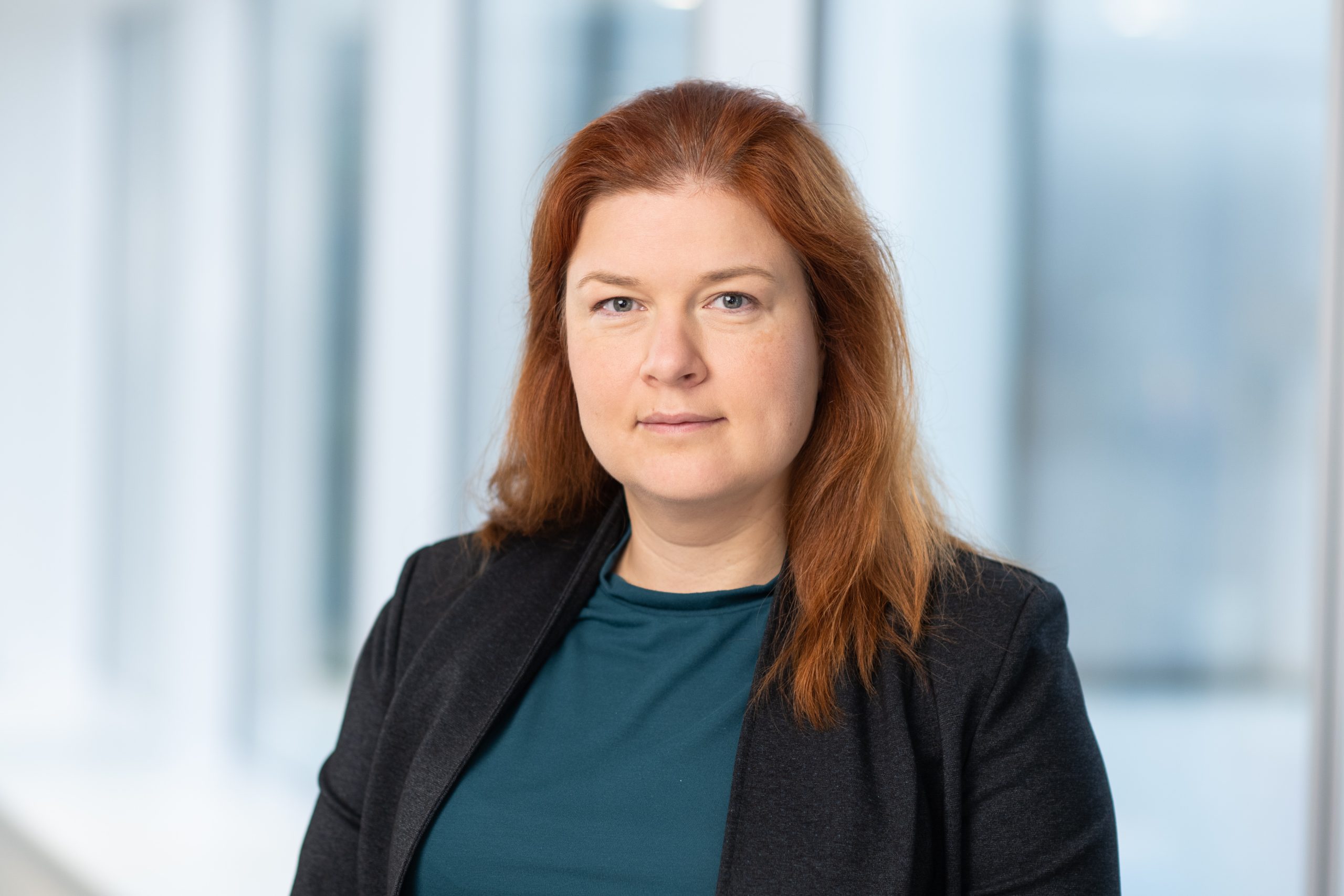
Kaire Luht
Head of the Regional Living Environment Unit, Ministry of Regional Affairs and Agriculture, Estonia
Kaire’s work focuses on regional development policy, including support measures for regions and cooperation between national and local levels. She has long-standing experience in regional policy design and implementation, gained in the Estonian public sector.
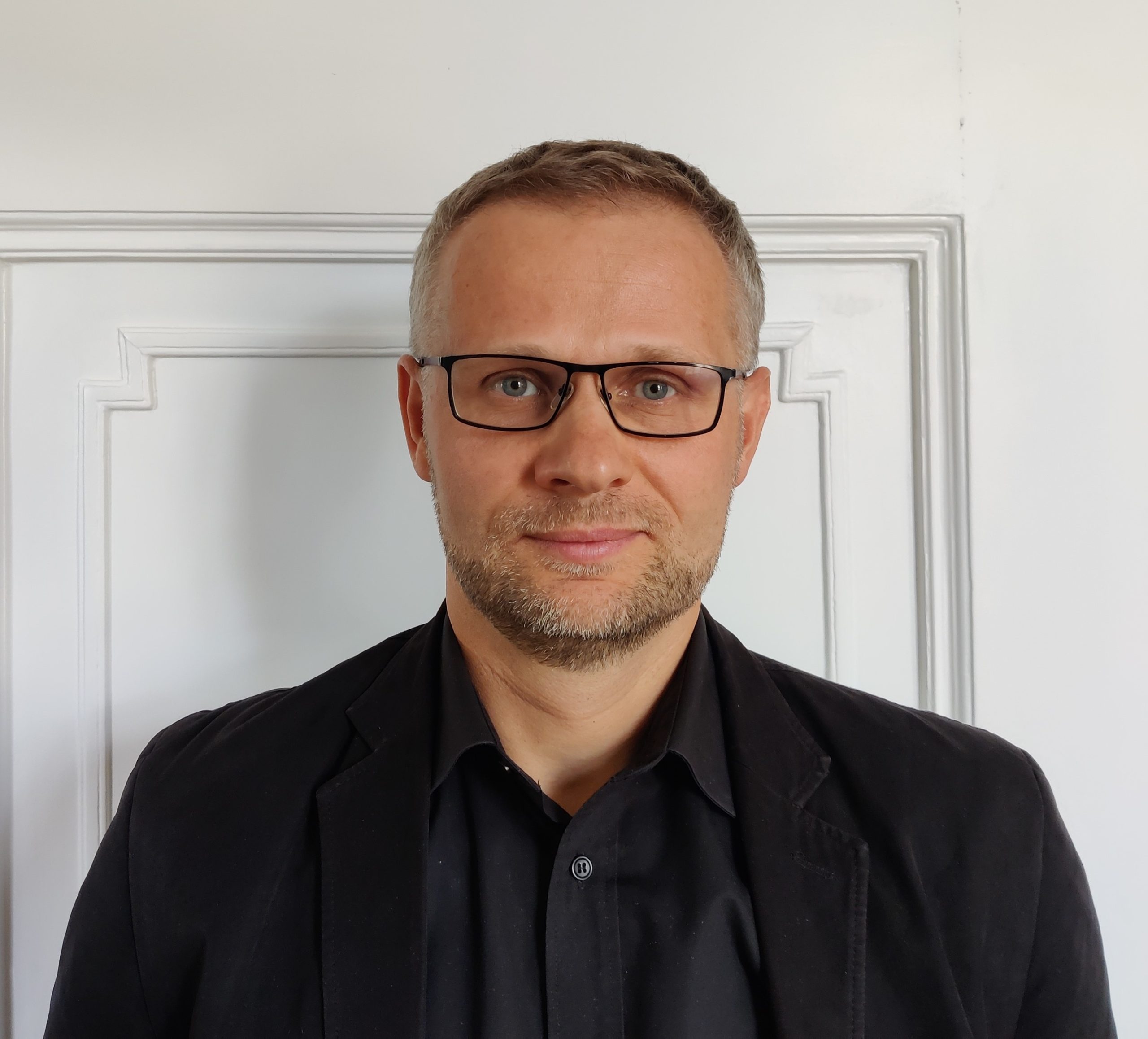
Konrad Pedziwiatr
Krakow University of Economics / PREMIUM_EU
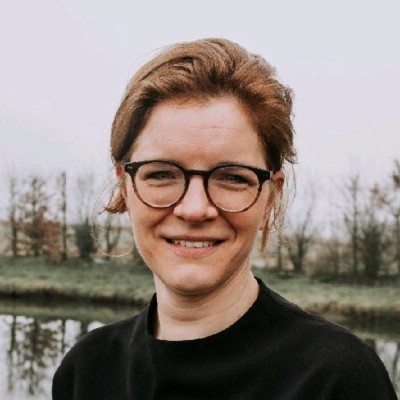
Korrie Melis
Senior Researcher, Hanze University of Applied Sciences / PREMIUM_EU
Dr. Korrie Melis is part of the PREMIUM_EU Regional Development team. She is a practice-oriented senior researcher with the research group Living Environment in Transition at Hanze University of Applied Sciences in Groningen, the Netherlands, and at HAN University of Applied Sciences in Nijmegen, the Netherlands.
She is interested in societal transitions and in how different stakeholders navigate them, particularly when it comes to the development of rural areas, regional (in)equality, and the everyday lives of rural residents. In her research, she integrates her backgrounds in geography and history.
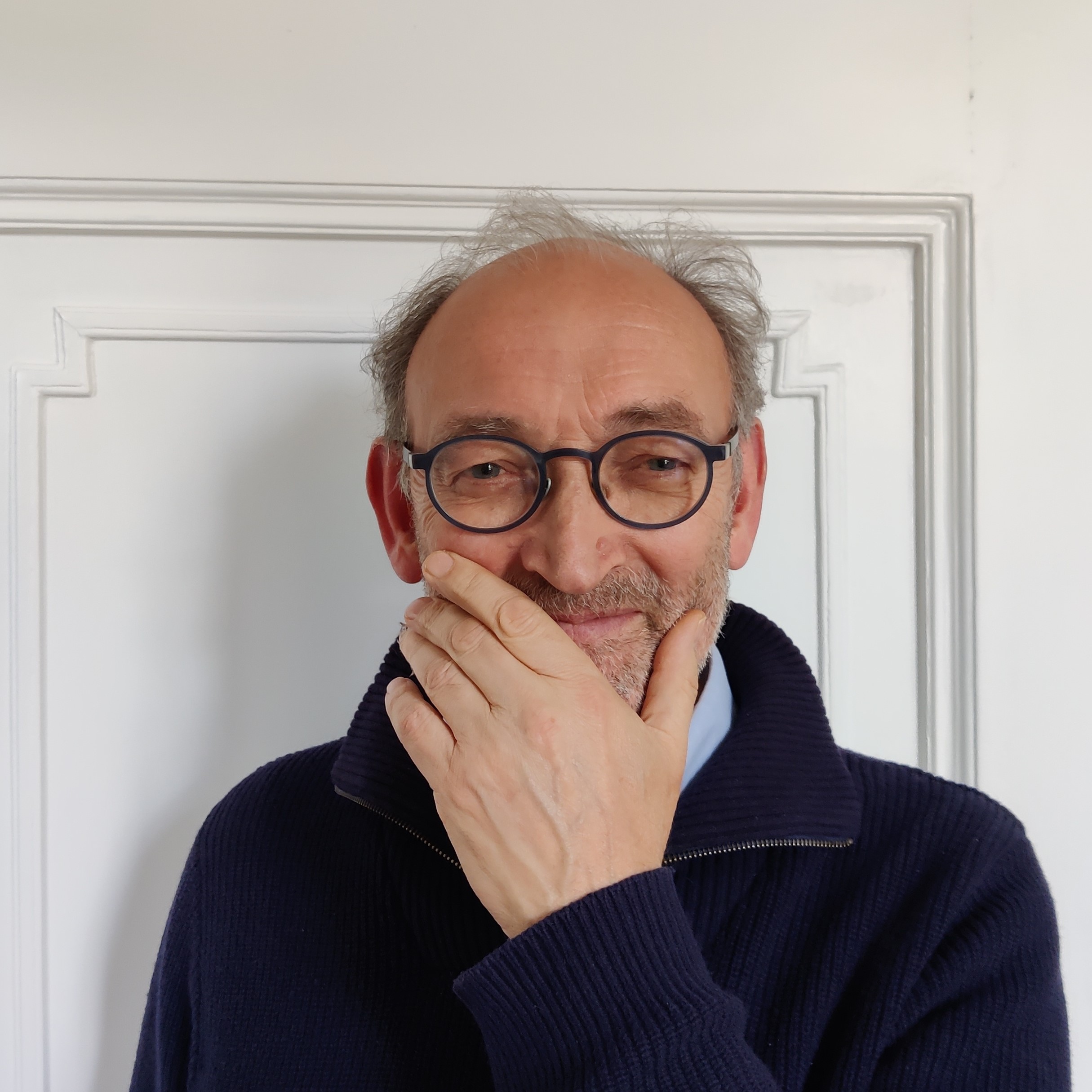
Leo van Wissen
Professor, former director of NIDI and head of PREMIUM_EU
Prof. Leo van Wissen is senior researcher and former director of NIDI. He is also professor emeritus of Economic Demography at the Faculty of Spatial Sciences of the University of Groningen.
His expertise includes demographic modelling and forecasting, ageing, regional population change, spatial interaction, and regional modelling.
He is former president, and currently member of honour, of the Netherlands Demographic Society NVD, a member of the European Association for Population Studies EAPS, and chair of the board of the European Doctoral School for Demography EDSD.

Paweł Chmieliński
President of the European Rural Development Network & Polish Academy of Sciences
Paweł Chmieliński is President of the European Rural Development Network and Director for Science at the Polish Academy of Sciences’ Institute of Rural and Agricultural Development.
A leading voice on rural policy, he advises EU bodies on food systems and rural development, chairs the BIOEAST Food Systems Working Group, and has led numerous international research projects including Horizon Europe, Interreg and Visegrad Fund, and held research fellowships in the UK, Norway, and Italy.
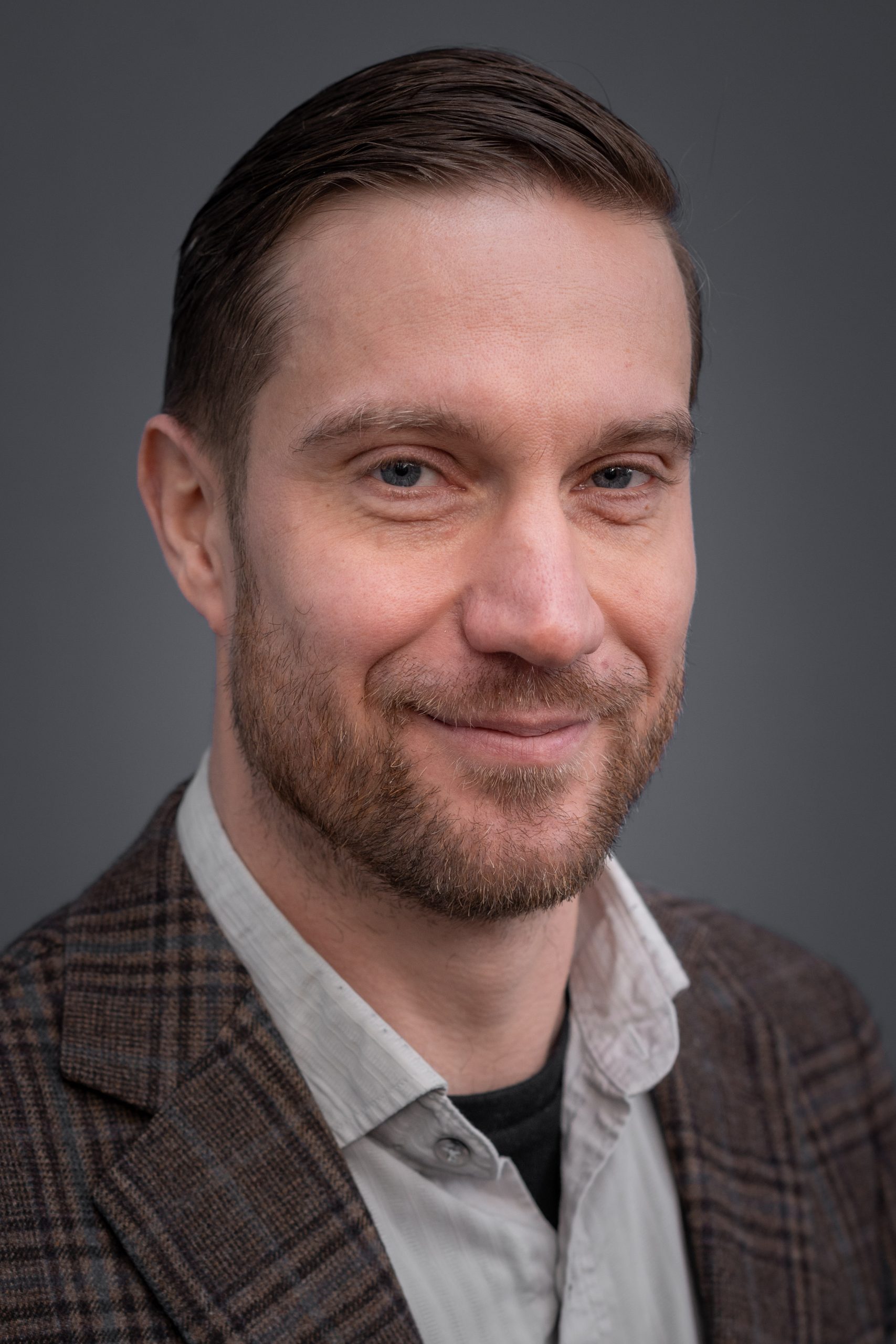
Peter Meister-Broekema
Associate Professor, Hanze University of Applied Sciences / PREMIUM_EU
Prof. Peter Meister-Broekema is an associate professor ‘Impact of Demographic Changes and Broad Prosperity’. He is one of the founders of the PREMIUM_EU project and analyses regional development policies in relation to broad prosperity of regions.
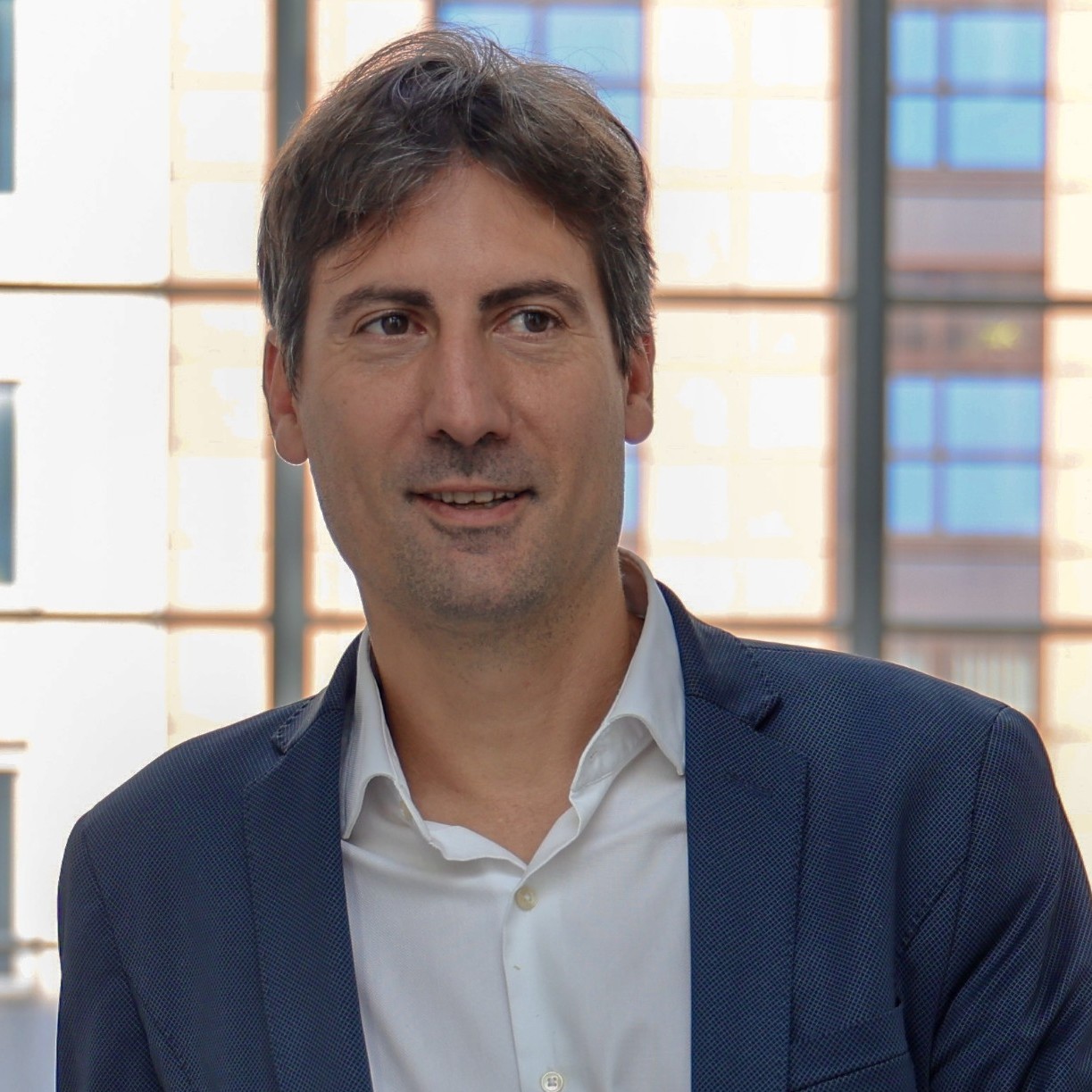
Jordi Solé i Ferrando
Head of the Brussels Office of the Catalan Association of Municipalities (ACM)
Jordi holds a degree in Political Science from the Autonomous University of Barcelona and a master’s degree in European studies from the European University Viadrina in Frankfurt (Oder), Germany.
From 2002 to 2007, he worked at the European Parliament as a parliamentary assistant.
In May 2007, he was elected Mayor of his hometown, Caldes de Montbui, near Barcelona, a position he held for three consecutive terms. In 2012, he was elected Member of the Parliament of Catalonia, where he chaired the Committee on Foreign Affairs, European Union and Development Cooperation until 2015. In 2016, he joined the Government of Catalonia as Secretary for Foreign Affairs and the European Union within the Ministry of Foreign Affairs, Institutional Relations and Transparency.
From January 2017 to June 2024, he served as a Member of the European Parliament in the Greens/European Free Alliance group. During the last parliamentary term, he acted as First Vice-Chair of the group, full member of the Committee on Foreign Affairs and the Subcommittee on Human Rights, and substitute member of the Committee on Industry, Research and Energy. Before joining ACM in July 2025, he worked as a consultant on European projects. He is also an Associate Professor at the University of Girona, where he teaches European Union institutions and policies.
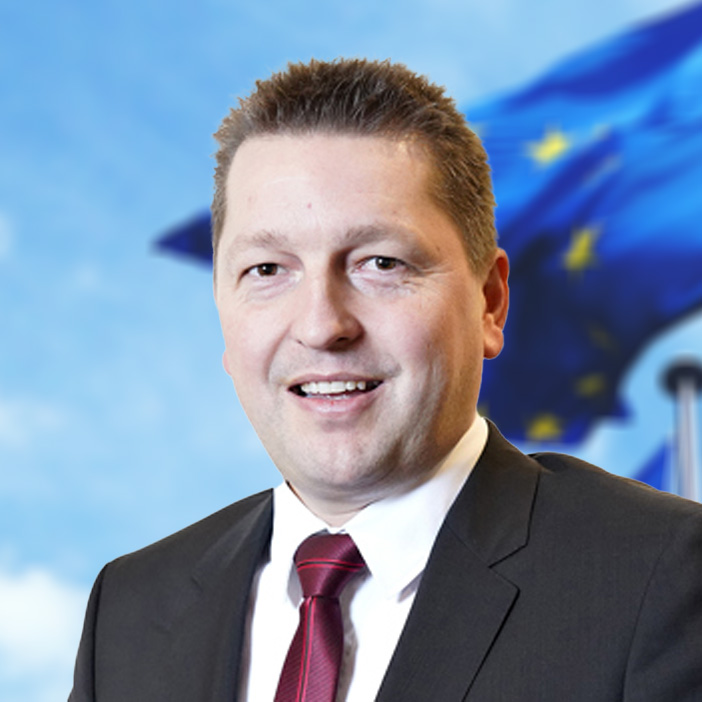
Radim Sršeň
Member of the European Committee of the Regions, Mayor of Dolní Studénky, Chair of the EU Rural Pact Coordination Group
Radim Sršeň was born in a true rural region in the North-East of the Czech Republic. After graduating from a bilingual Czech-English grammar school, he earned a master’s degree in International and European Studies – Diplomacy at the University of Economics in Prague, where he continued with a PhD in International Political Studies.
Since 2011, he has been an assistant professor at the University of Economics in Prague, specialising in the European Union and the United Nations. After his studies, he returned to his home region and served as Mayor of the Municipality of Dolní Studénky and as vice-chairman of the Association of Local Governments of the Czech Republic since 2010. From 2017, he has been a representative of the Czech Republic in the European Committee of the Regions, focusing on rural development, LEADER/CLLD, smart villages, the EU territorial agenda, and regional policy.
He has also participated in rural development projects in Georgia and Bosnia and Herzegovina. Between 2022 and 2026, he also served as a Deputy Minister of Regional Development of the Czech Republic. Since 2023, he has served as the Chair of the EU Rural Pact Coordination Group.

Sandra Jolk
OECD Centre for Entrepreneurship, SMEs, Regions and Cities
Sandra Jolk is a Policy Analyst in the Regional Development and Multi-level Governance Division of the OECD Centre for Entrepreneurship, SMEs, Regions and Cities (CFE). Her work focuses on decentralisation, subnational public finance and public investment, with an emphasis on how regions and local governments adapt to long-term structural challenges. She is the project co-ordinator of the OECD–EC project Helping Regions Adapt to Demographic Change, which constitutes Pillar 2 of the EC Talent Booster Mechanism and supports regions at risk of a “talent development trap”. Since 2015, she has co-ordinated and co-authored OECD regional reviews and policy projects on SME and entrepreneurship policy, innovation and industrial transition, demographic change, and multi-level governance. Sandra holds a master’s degree in international economics and a master’s degree in public health from the University College London.
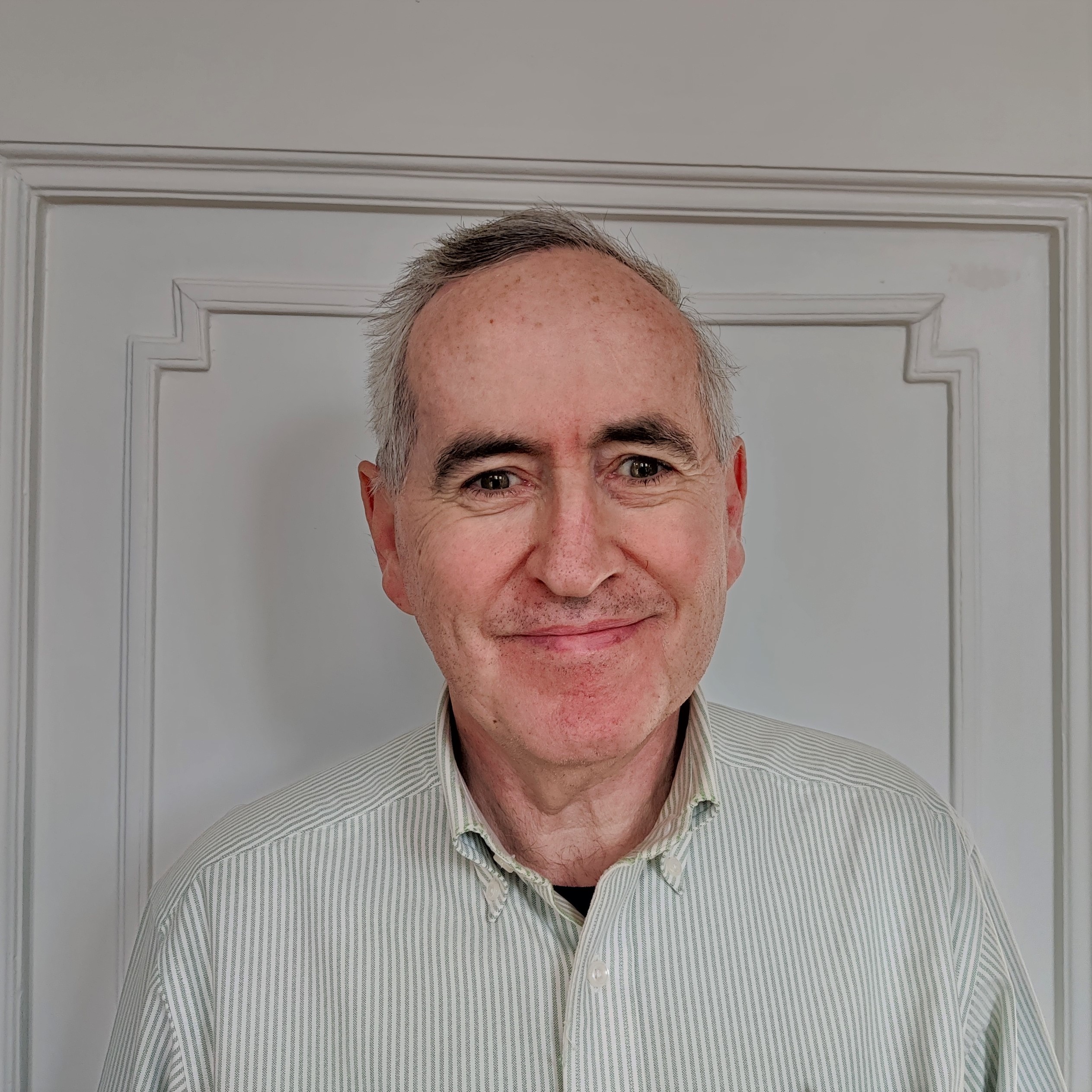
Tim Heleniak
Senior Research Fellow, Nordregio / PREMIUM_EU
Timothy Heleniak is a human geographer at Nordregio who researches migration, population change, and regional development in the Nordic region and the Arctic. He has traveled extensively across the Nordic region to both large cities and small settlements to understand migration and population change at multiple geographic scales. He has received numerous grants from the U.S. National Science Foundation, the European Commission, the European Research Council and other organizations to support this research.
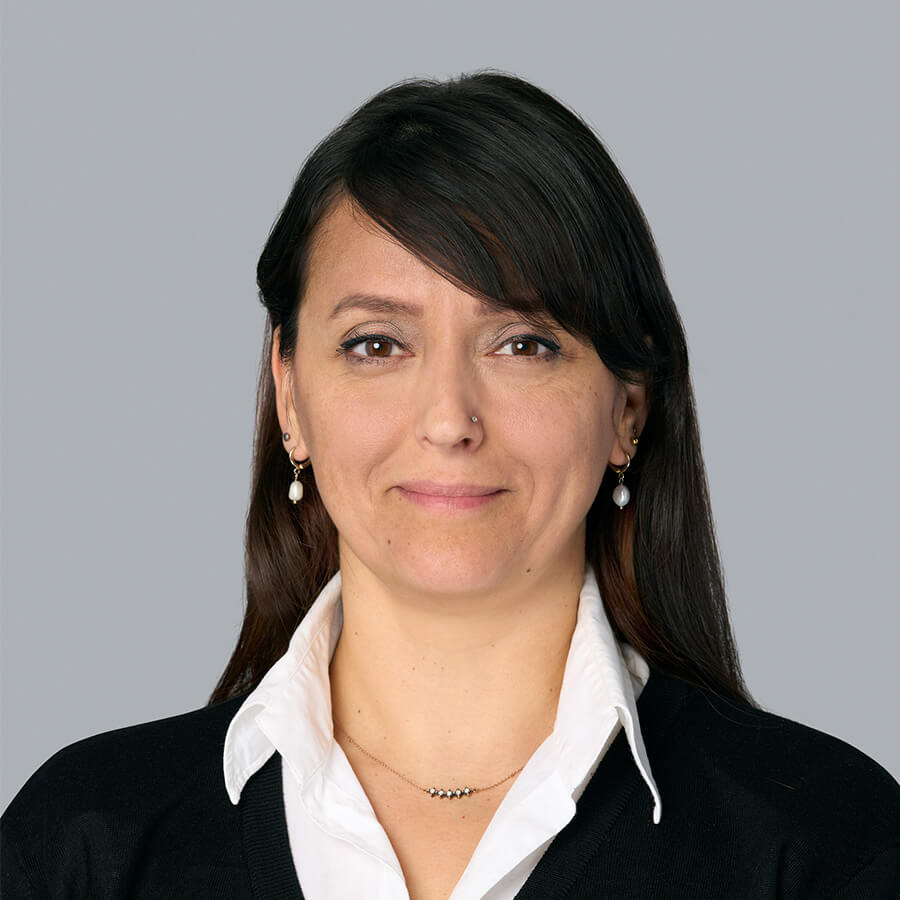
Tuba Bircan
Head of AIMS Lab: Migration & Society Research Unit
Prof. Tuba Bircan is an Associate Professor of Sociology with a background in Statistics and Political Science, working at the intersection of migration, inequality and artificial intelligence. She has led major EU research projects, including Horizon 2020 HumMingBird, and CLIMB on climate-related migration. Her work focuses on using big data and innovative methods to inform better policy. She also serves on international editorial boards and ethics bodies on AI and employment.
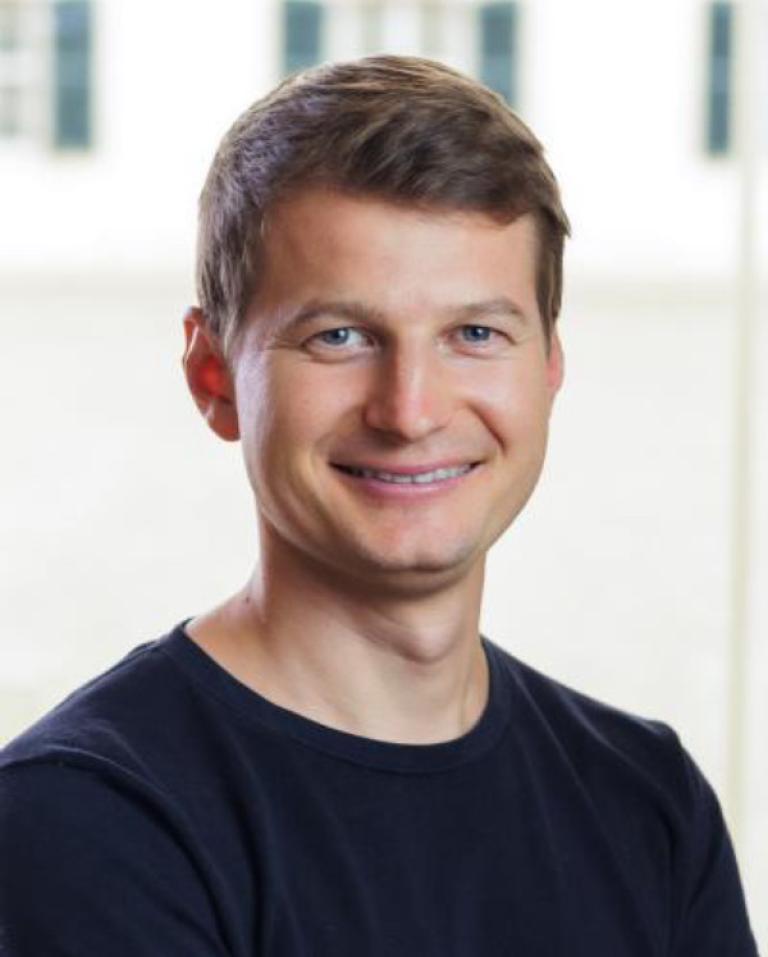
Claudius Ströhle
Postdoctorial Researcher, International Institute for Applied Systems Analysis / PREMIUM_EU
Claudius Ströhle is an anthropologist interested in social and cultural transformations, migrant transnationalism, and ethnographic methodology. In 2024, he joined IIASA as a qualitative researcher in the Multidimensional Demographic Modeling Research Group of the Population and Just Societies Program. He currently works on the IIASA PREMIUM_EU Project, where he explores mobility in vulnerable regions within and beyond the European Union. Ströhle is conducting a case study in rural areas of the Austrian states of Carinthia and Styria, examining causes and consequences of migration with regard to regional transformations.
Ströhle obtained his PhD from the University of Innsbruck, where he was affiliated with the Doctoral Program, Dynamics of Inequality and Difference in the Age of Globalization. His PhD was part of the research project, Follow the Money: Remittances as Social Practices, funded by the Austrian Science Fund, which explored the transformative effects of remittances in the course of labor migration within Turkey and Austria from the 1960s onward.