How does a younger generation actually experience democracy in practice? And what happens when they try to influence decisions in their communities?
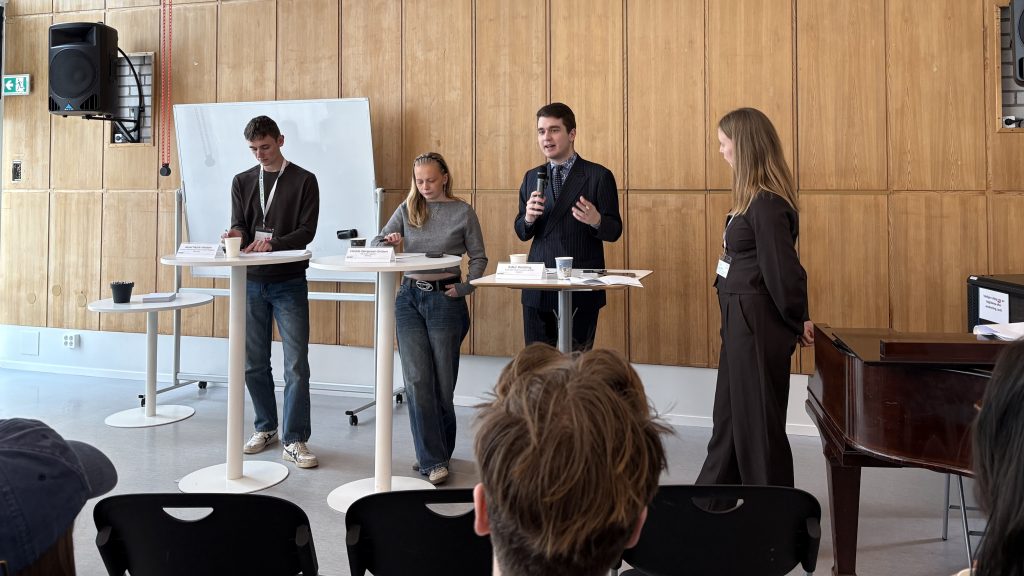
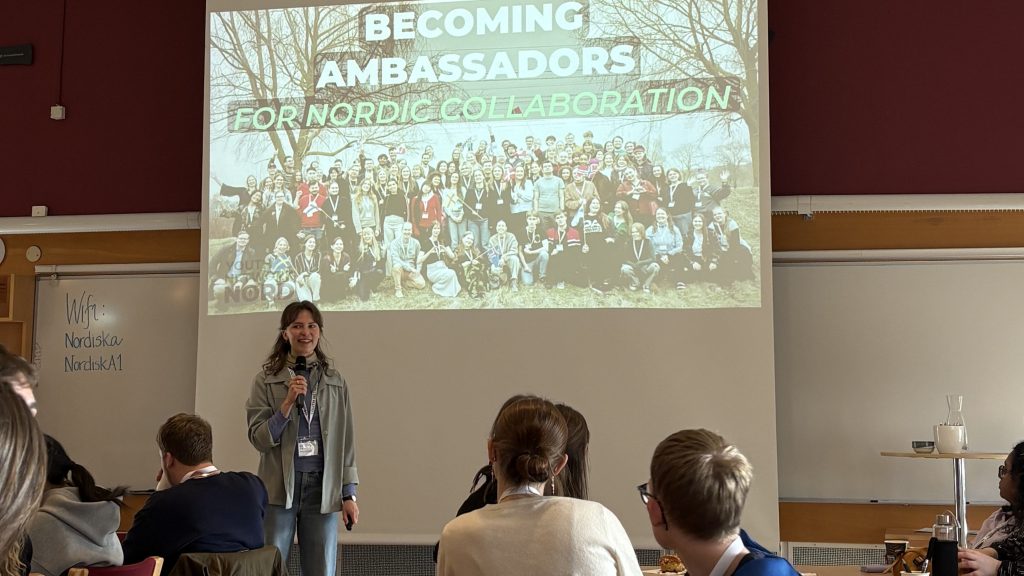
At the Nordic Youth Seminar in Kungälv, Nordregio’s Rebecca Eriksson, representing Nordregio’s Young and Rooted project, brought these questions directly to the people who know them best.
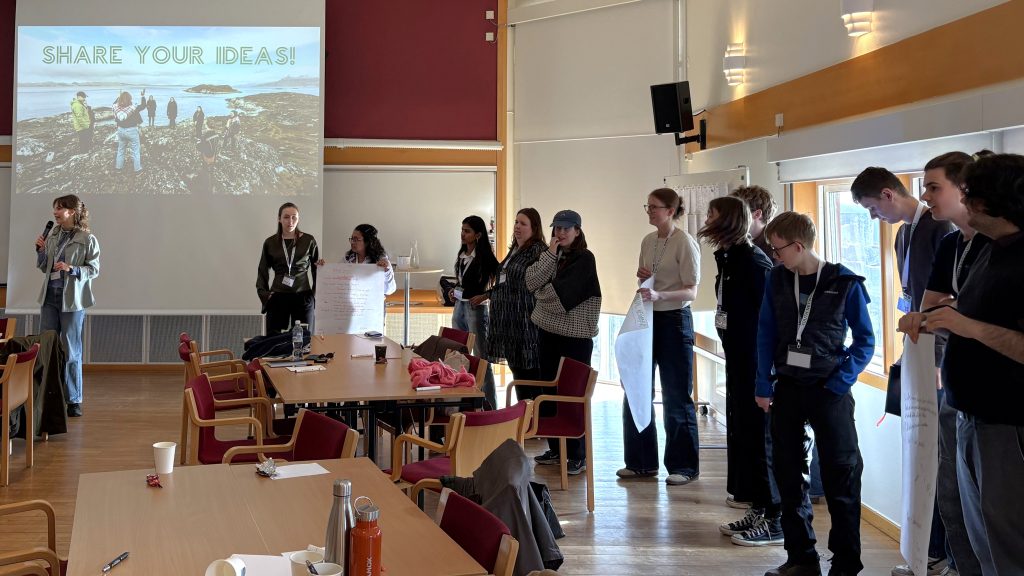
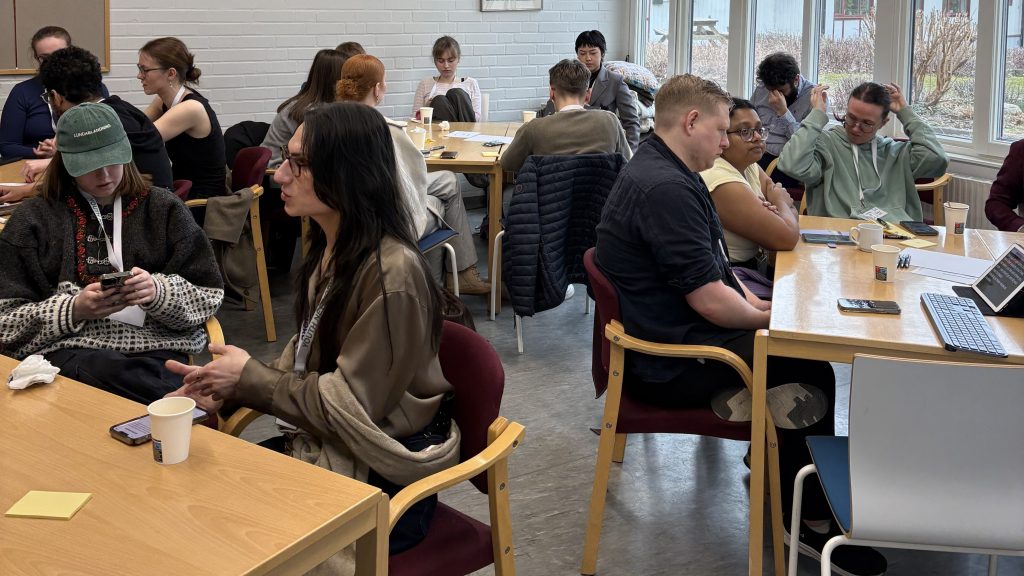
Through a dialogue-focused workshop, “Behind the scenes – your participation story” young Nordics were encouraged to show us how youth participation could actually work at local level, and which gaps are blocking that from happening.
Whether it’s in political, community or social spaces, young people are already active in shaping their spaces. Sometimes organic and sometimes highly coordinated. They organise campaigns, mobilise each other through social media channels, create more democratic openings in schools, and take part in youth councils and civil society activities.
But at the regional governance level, things look different, according the young participants. On the surface level, participation is often open and accessible, but when the democratic ambition-level moves from participation to influence, the balance tilts away from the younger generation.
Many participants described how their contributions are taken into account in discussions but rarely make the difference when an actual decision is made. Others also described a pattern of being invited late in the process, after key decisions have already been shaped. An overall experience of being included symbolically, but without clear feedback on outcomes was also shared.
Thus, it’s not that young people aren’t participating, but that they are not listened to.
Unequal access to participation
While some Nordic contexts offer open and accessible entry points, others rely heavily on informal networks. In smaller communities, participation can often depend more on who you know rather than what you want to contribute.
Barriers that were pointed out during the workshop were diverse:
- Lack of access outside capital regions
- Financial constraints and time pressures
- Limited awareness of opportunities
- Overrepresentation of already highly engaged youth
- Exclusion of marginalised groups, including immigrant youth
A very common barrier named in the workshop, is the fact that the same individuals participate across multiple organisations, while a large group of “silent youth” remains disengaged or excluded. This raises a critical question for policymakers: Are current participation structures reaching a broad youth population or reinforcing existing inequalities?
A more fragile democratic landscape
The discussions flowed into a theme about the wider shift in how young people experience democracy today. An increase in polarisation within youth spaces was brought up by participants, as well as a new reality that former generations escaped, this being exposure to an online litany of hate, threats and hostility. Another byproduct of the internet-fluent generation mentioned, is the growing influence of misinformation and extremist narratives. This causes a sense that democratic progress cannot be taken for granted and is under threat.
For some, engagement felt empowering. For others, it felt uncertain and even “hopeless” at times. At the same time, there was a strong awareness that participation matters. Many highlighted that when young people are involved early and directly in dialogue with decision-makers, their contributions can shape outcomes in meaningful ways.
Why this matters for policy
The points made by the young participants in the workshop and Youth Seminar as a whole reinforce a central premise of Nordregio’s Young and Rooted project. As reaffirmed by the study subjects themselves, youth participation is not only a democratic ideal. It questions the capacity of governance as a whole.
Local and regional authorities play a decisive role in shaping how, when, and whether young people can influence decisions. Yet across the Nordics, opportunities vary significantly depending on local structures, resources, and political priorities. The presence or absence of municipal youth councils, the role of schools, and the degree of institutional openness all shape how participation works in practice.
Many young people are already actively engaging in their communities. The challenge is not a lack of motivation but a lack of clear, accessible, and meaningful pathways into decision-making. This is what our research hopes to find more of.
Building the Young and Rooted project
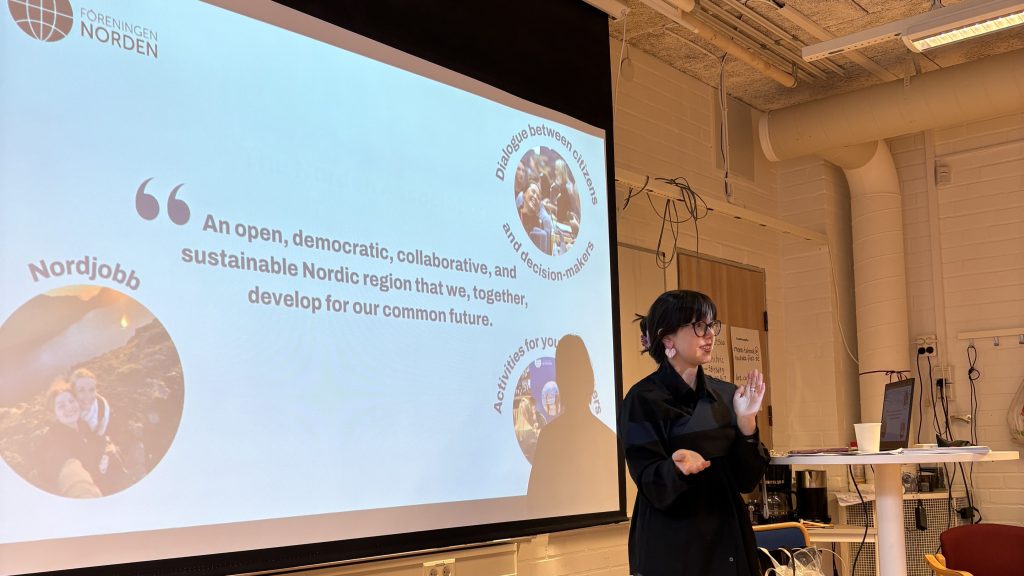
For Nordregio, the Nordic Youth Seminar was one of several platforms to start testing and validating early assumptions within the project. It also gave us an opportunity to connect with youth organisations across the Nordic region and identify potential case studies and collaborators, as we’re starting to gather real-world insights to inform the next phase of the research.
As Rebecca Eriksson puts it, “The conversations confirmed that the project is addressing a real and pressing issue and that there is strong interest among youth organisations to contribute to the work.”
The workshop itself also marked an important step in shaping the project’s next outputs: an overview of how Nordic participation does or doesn’t work currently and case based stories that go in depth about youth organisations and what we can learn from their work.
Because if regions want to remain resilient and attractive, they need more than engaged young people. They need systems that allow those young people to shape the future they are expected to live in.