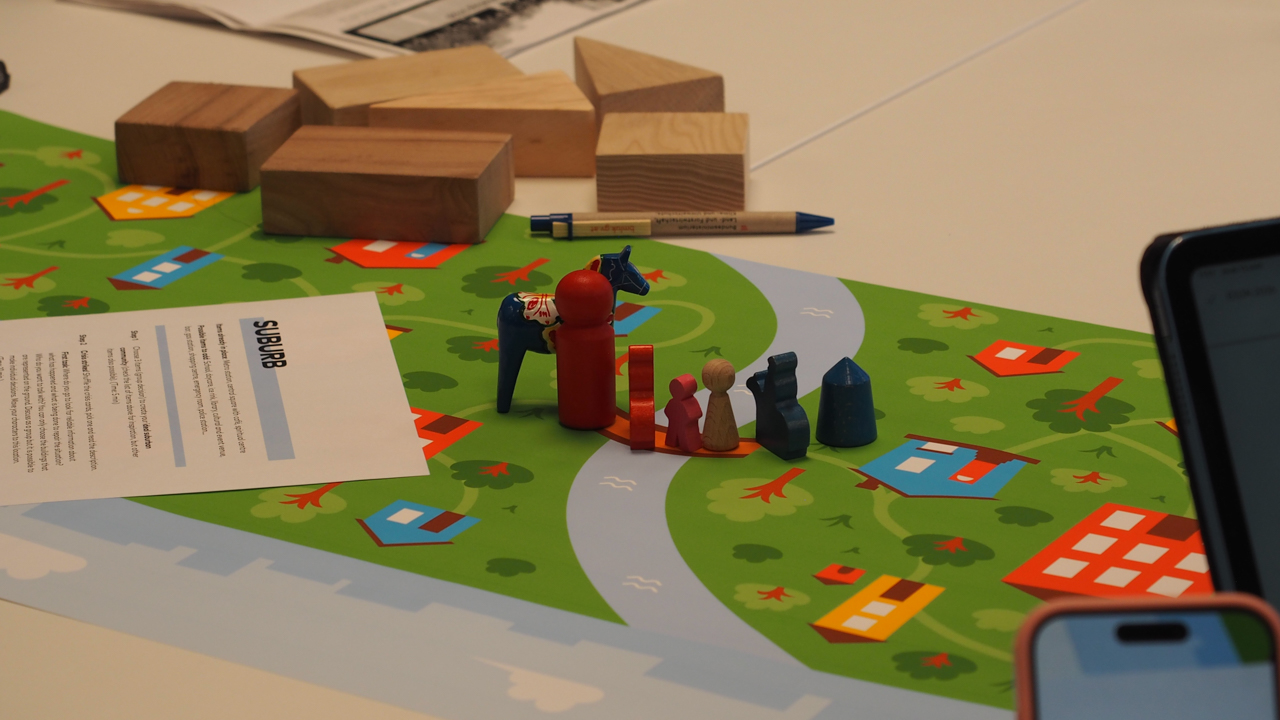
How people respond to disruption depends on more than emergency services and infrastructure. Relationships, information and local resources also shape community resilience. These aspects are the focus of Nordregio’s project on Recognising and supporting psychological Resilience: Regional approaches across the Nordic countries.
Exploring resilience with youth representatives
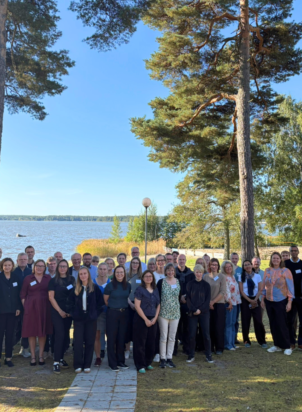
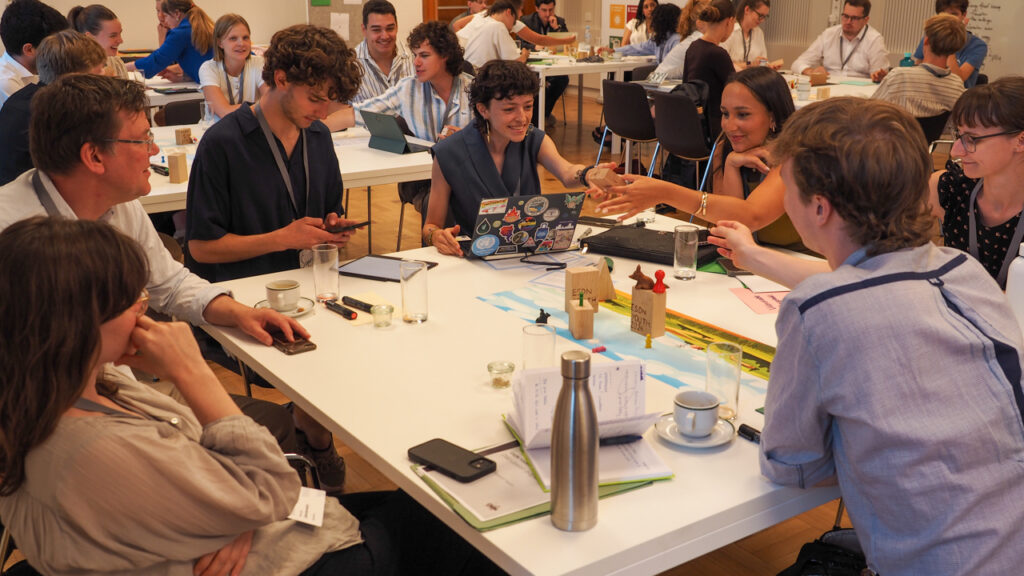
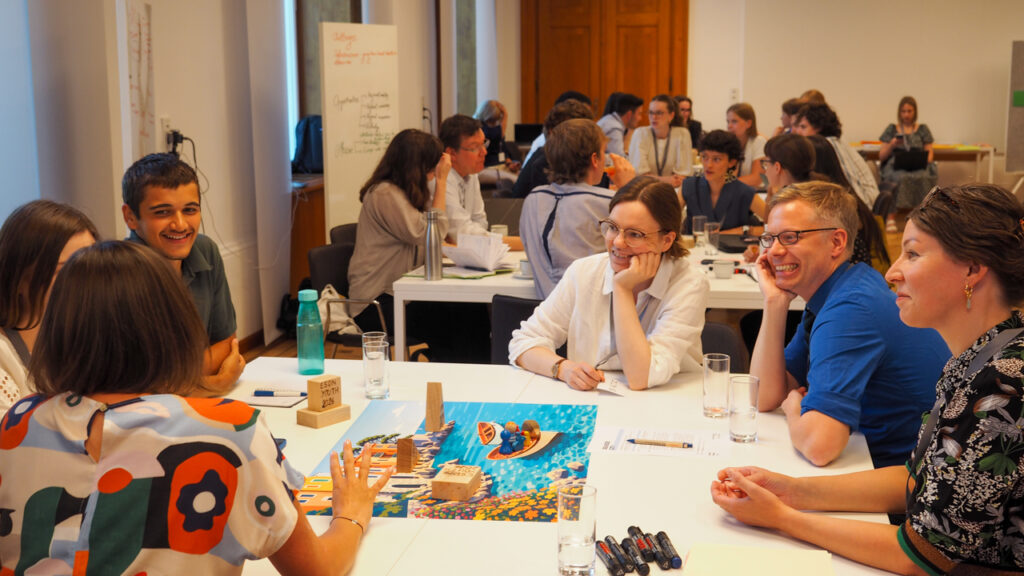
In August, Nordregio brought this work to the European Sustainable Development Network (ESDN) Youth Workshop 2026 in Vienna. More than 40 young representatives from around 30 European countries took part in the event to explore “Resilience 2.0”.
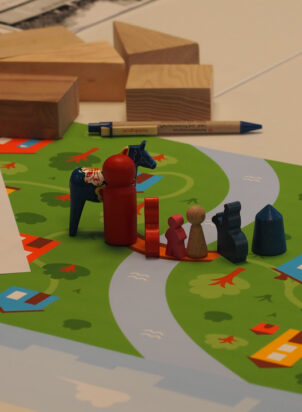
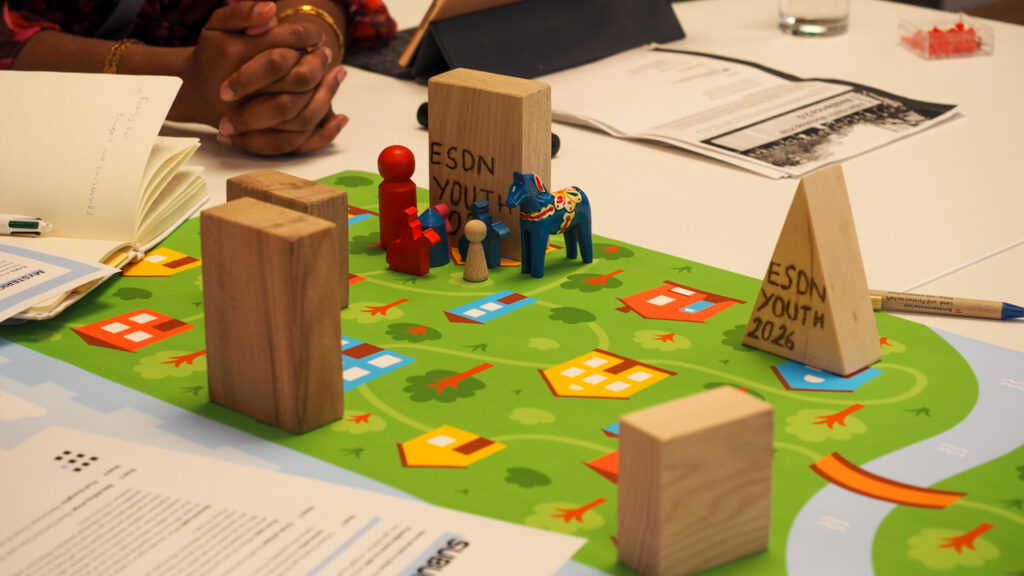
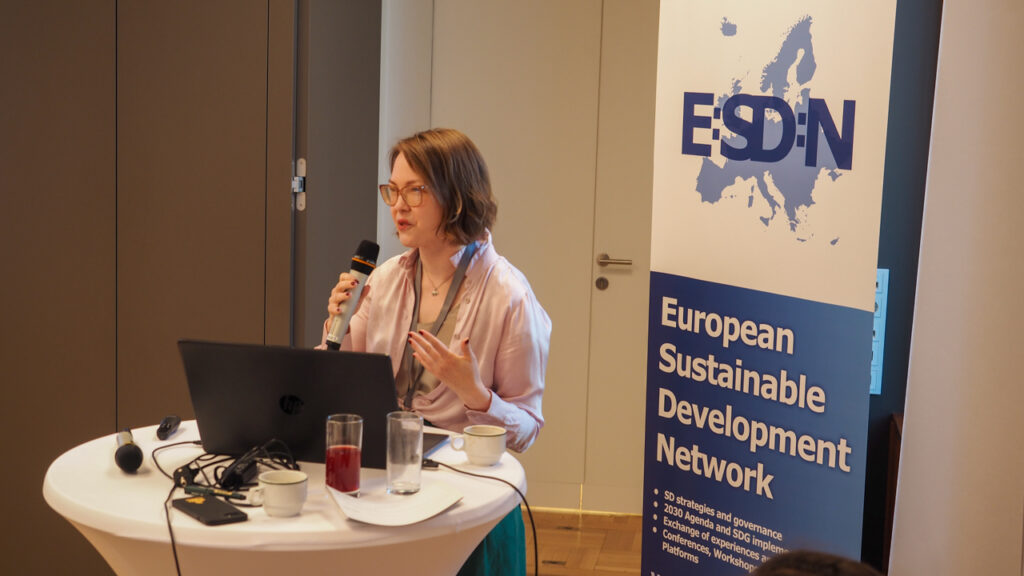
Nordregio Senior Research Fellow Hilma Salonen introduced the psychological resilience project and the Building Resilience game. Participants then took part in an interactive game session.
“The game gives participants an opportunity to explore resilience through realistic crisis scenarios. They have to make decisions when information and familiar services are limited. It also gives us a chance to discuss why people make the choices they do and what they consider important in their community,” says Hilma Salonen, Senior Research Fellow at Nordregio.
Putting resilience to the test
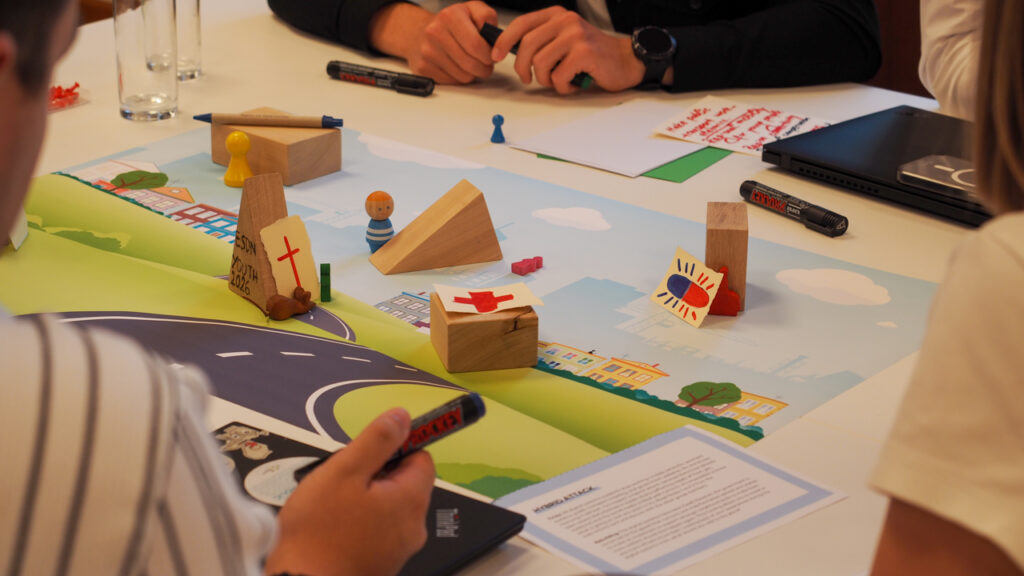
In the Building Resilience game, participants first build their ideal community by selecting different facilities and services they consider important. They then face a crisis scenario, such as a prolonged power cut, contaminated drinking water, or a hybrid threat.
The scenarios ask participants where they would seek information and support when usual channels are disrupted. They also have to decide which actors and places they would trust. This brings attention to an often less visible dimension of resilience: the people, relationships and local connections that communities can draw on during a crisis.

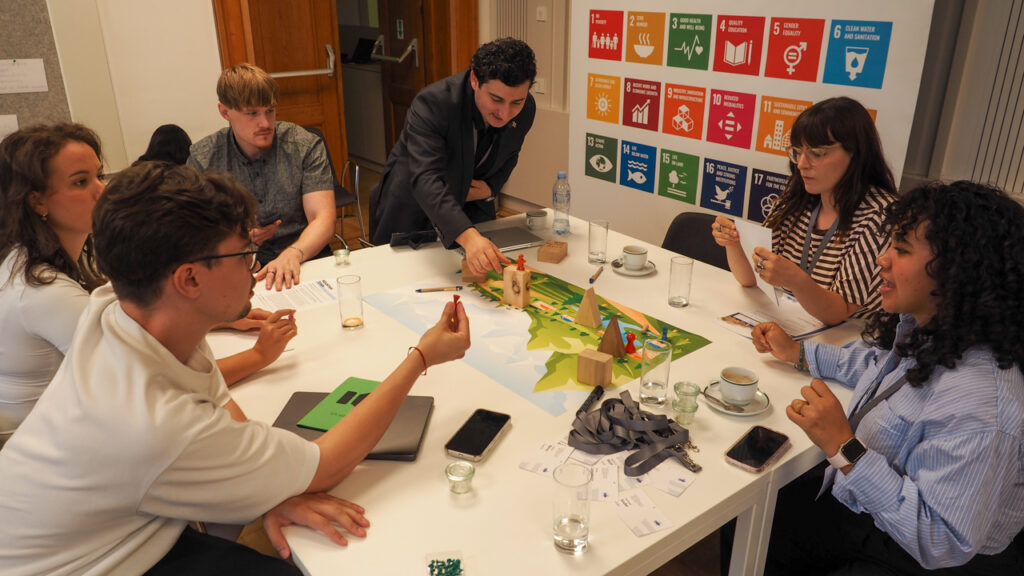
At the Vienna workshop, participants often identified schools and churches as trusted sources of support. Many groups also saw their own informal communities as an important source of reliable information.
One discussion focused on the challenges of building community in larger cities. Participants suggested that smaller communities within cities, such as neighbourhoods and local networks, can provide stronger connections and a greater sense of belonging.
“You do not necessarily need to feel connected to an entire city to have a strong sense of community. Smaller communities within larger urban areas can provide the relationships and sense of belonging that support resilience,” Hilma Salonen says.
Learning from different perspectives
The Building Resilience game was first tested at Nordregio Forum in 2025. Since then, the team has further developed the game. Using it with diverse groups shows how different people approach the same crisis scenarios and what issues emerge.
The ESDN Youth Workshop offered a new audience and new perspectives on the scenarios. Several of the general patterns were similar to those seen at earlier sessions. At the same time, the discussions also reflected the experiences and perspectives of the young European participants.
The game provides a practical way to explore questions that can be difficult to capture through abstract discussion alone. The game creates a shared situation in which participants have to make choices, explain their reasoning and consider what they would change after experiencing a crisis.
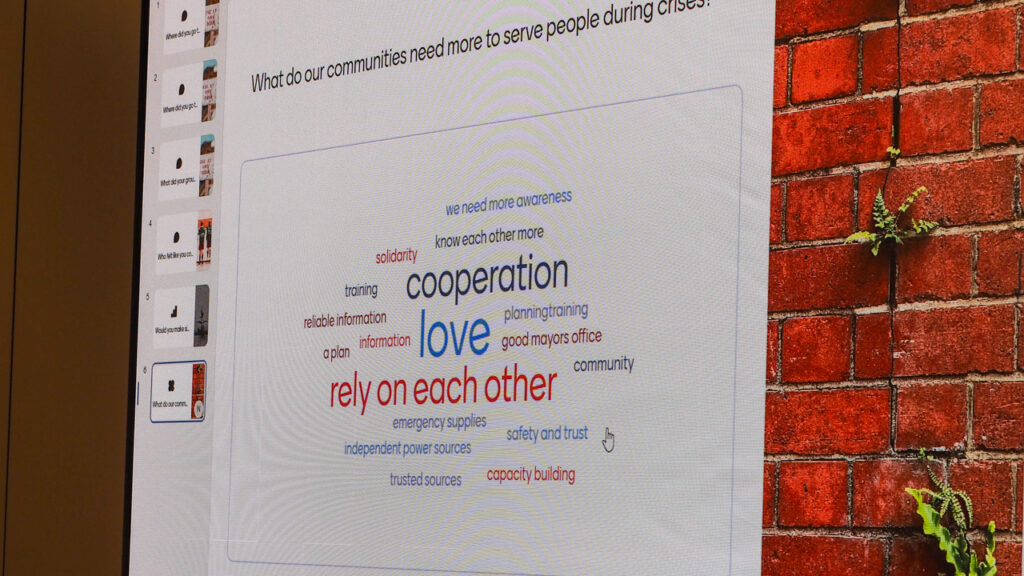
The workshop discussions in Vienna highlighted how resilience depends on people’s ability to connect, cooperate, trust and support one another.
Learn more about psychological resilience
The Building Resilience game is part of Nordregio’s wider Psychological Resilience project. The project looks at how individuals, relationships and communities can strengthen their capacity to cope with crises and recover afterwards.
The project explores the less tangible aspects of resilience that shape how people experience disruption. These include trust, social networks and connections, access to information and a sense of community.
Want to learn more?
Take part in Nordregio’s webinar on 1 October to hear more about the project and regional examples across the Nordics, and join the discussion on how communities can strengthen psychological and social resilience.
Webinar
What makes communities resilient? Insights from Nordic regions
Join the discussion online on 1 October (13:00-14:30 CET)