When digital systems collapse, drinking water is contaminated, or a storm cuts off electricity for days, where do people go? Who do they trust? How do communities organise themselves, and which institutions hold them together?
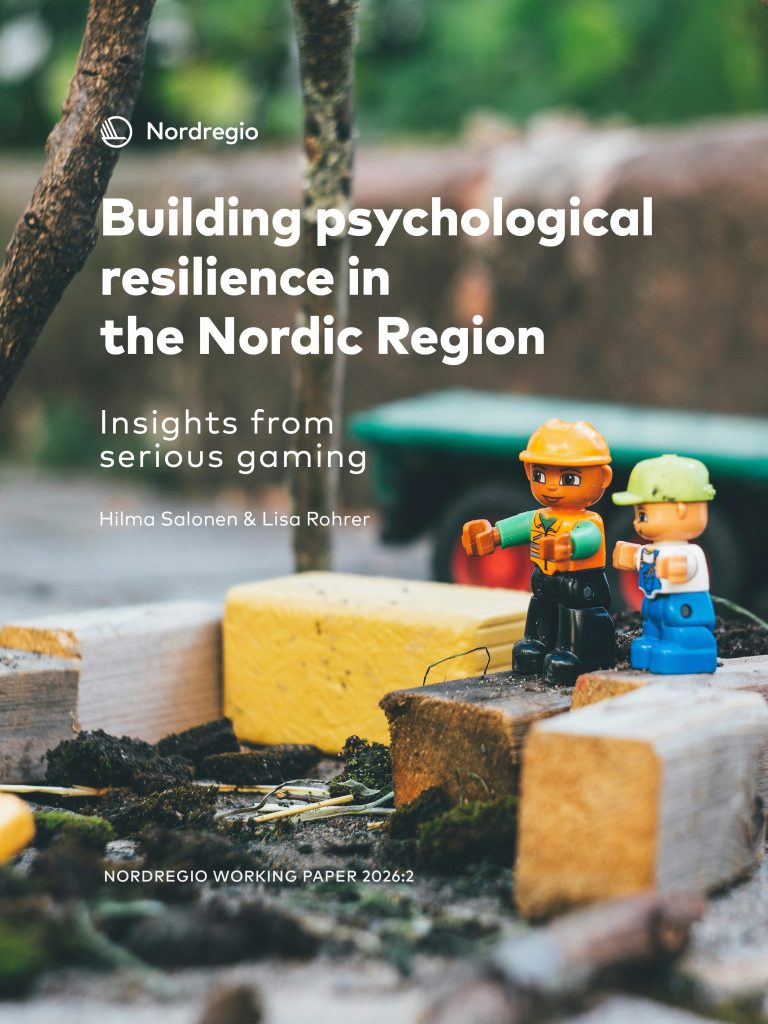
A new Nordregio working paper, Building psychological resilience in the Nordic Region: Insights from serious gaming, explores these questions through a scenario-based policy game.
The paper introduces the concept of psychological resilience and gives insights into how it plays out in practice when communities face crises.
From policy concept to lived experience
Psychological resilience refers to the capacity of individuals and communities to withstand stress and recover from crises. In Finland, the concept (henkinen kriisinsietokyky) is firmly embedded in the comprehensive security framework. In other Nordic countries, similar ideas exist within whole-of-society and total defence approaches, though often under different terminology.
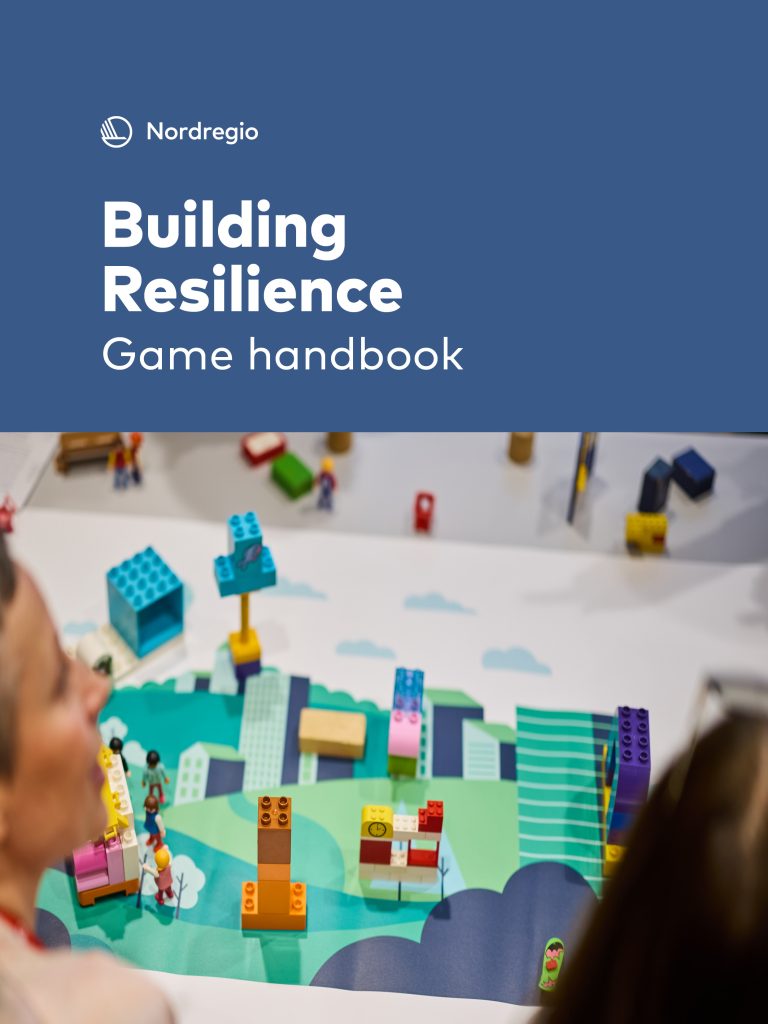
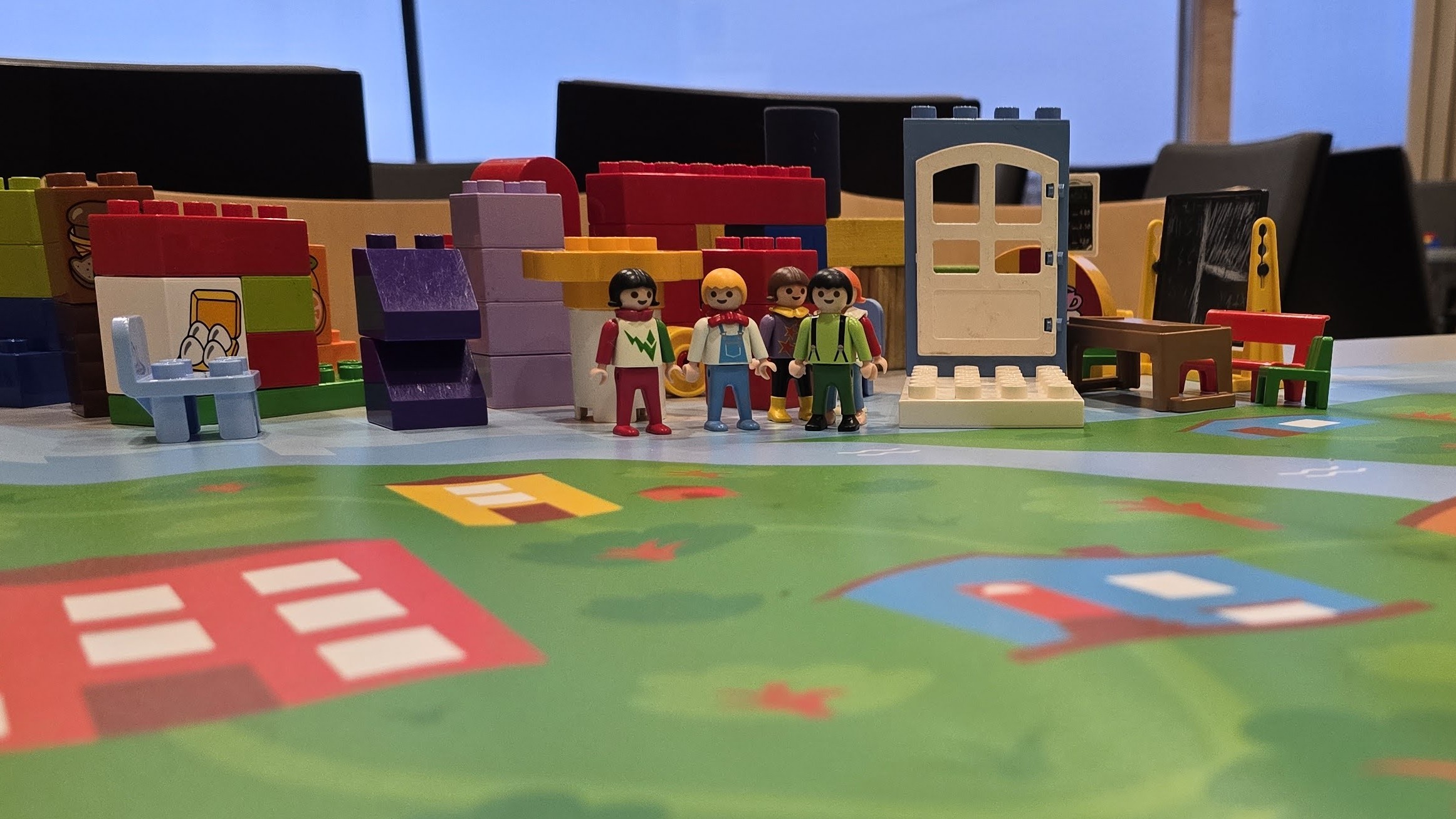
To examine the concept of psychological resilience in action, Nordregio researchers have developed a Building Resilience game.
The working paper includes a handbook with full scenario descriptions and a facilitation guide, enabling others to run the exercise themselves.
“Policy documents often describe resilience in abstract terms. The serious game allows us to move from strategy to practice and observe how people prioritise and make choices when resources are limited and uncertainty is high.” Hilma Salonen, Senior Research Fellow, Nordregio
A serious game for serious questions
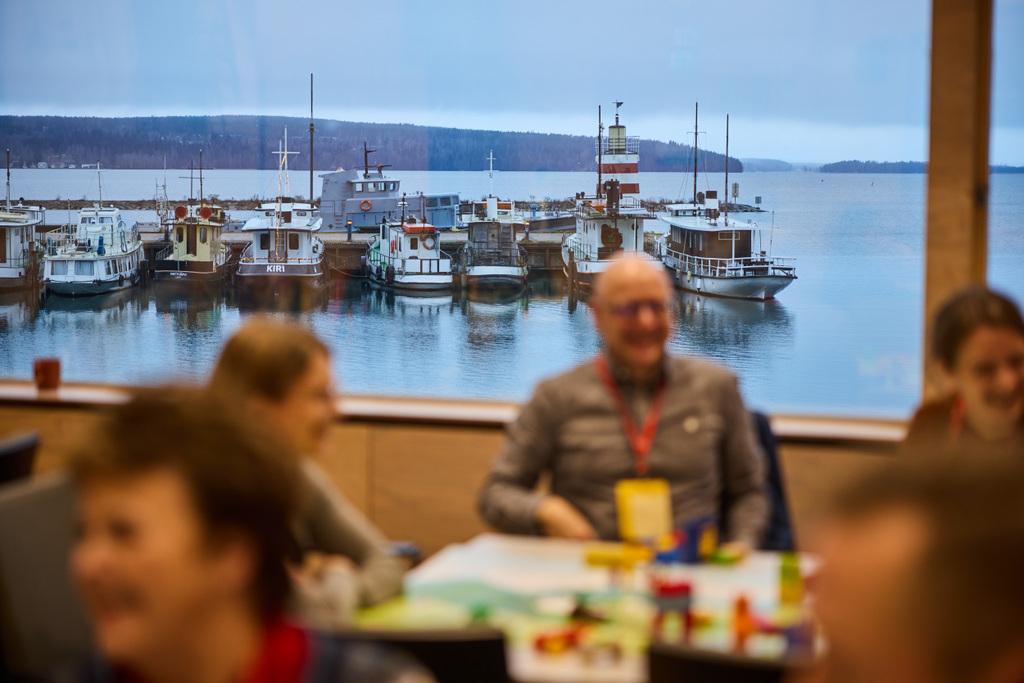
The game was tested with policymakers and regional development practitioners from across the Nordic Region at Nordregio Forum 2025. Participants were divided into groups representing different community types: an island community, a rural village, a small town, and a large city.
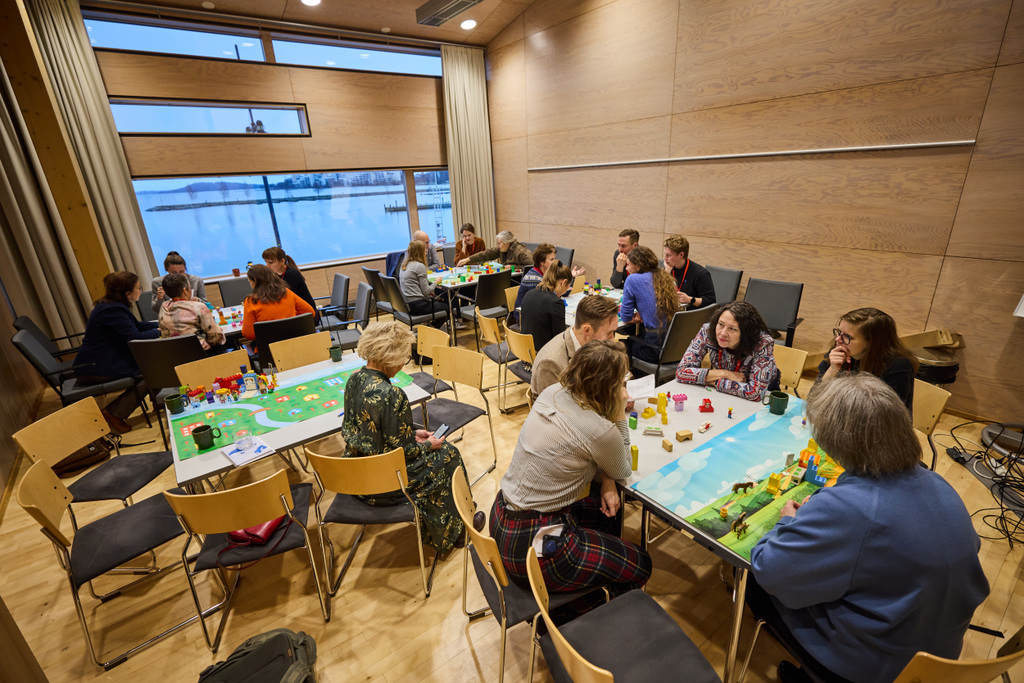
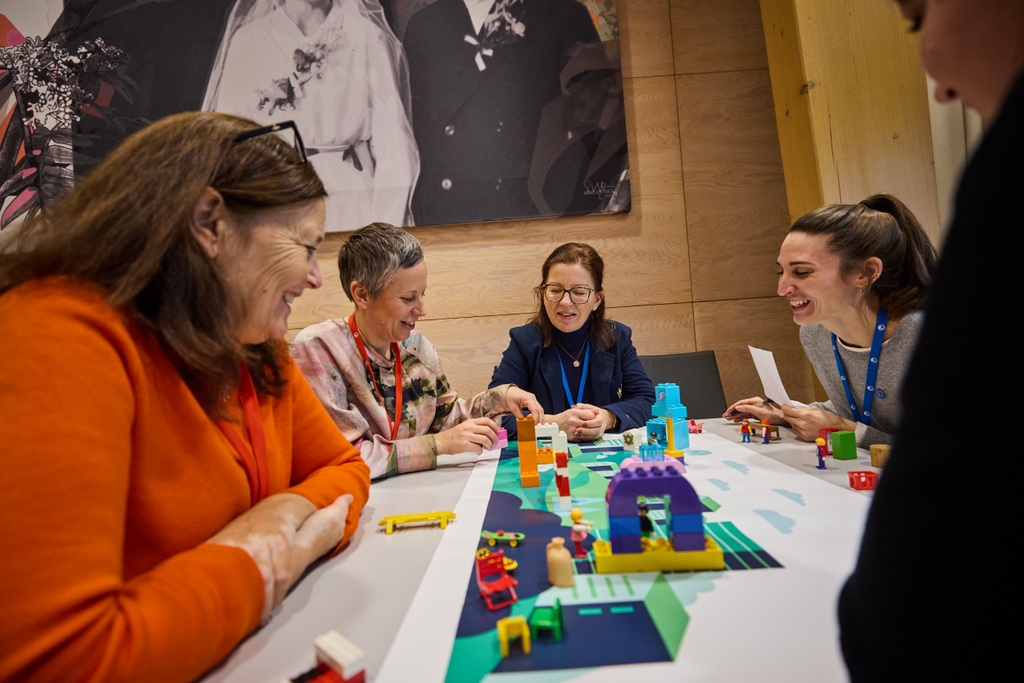
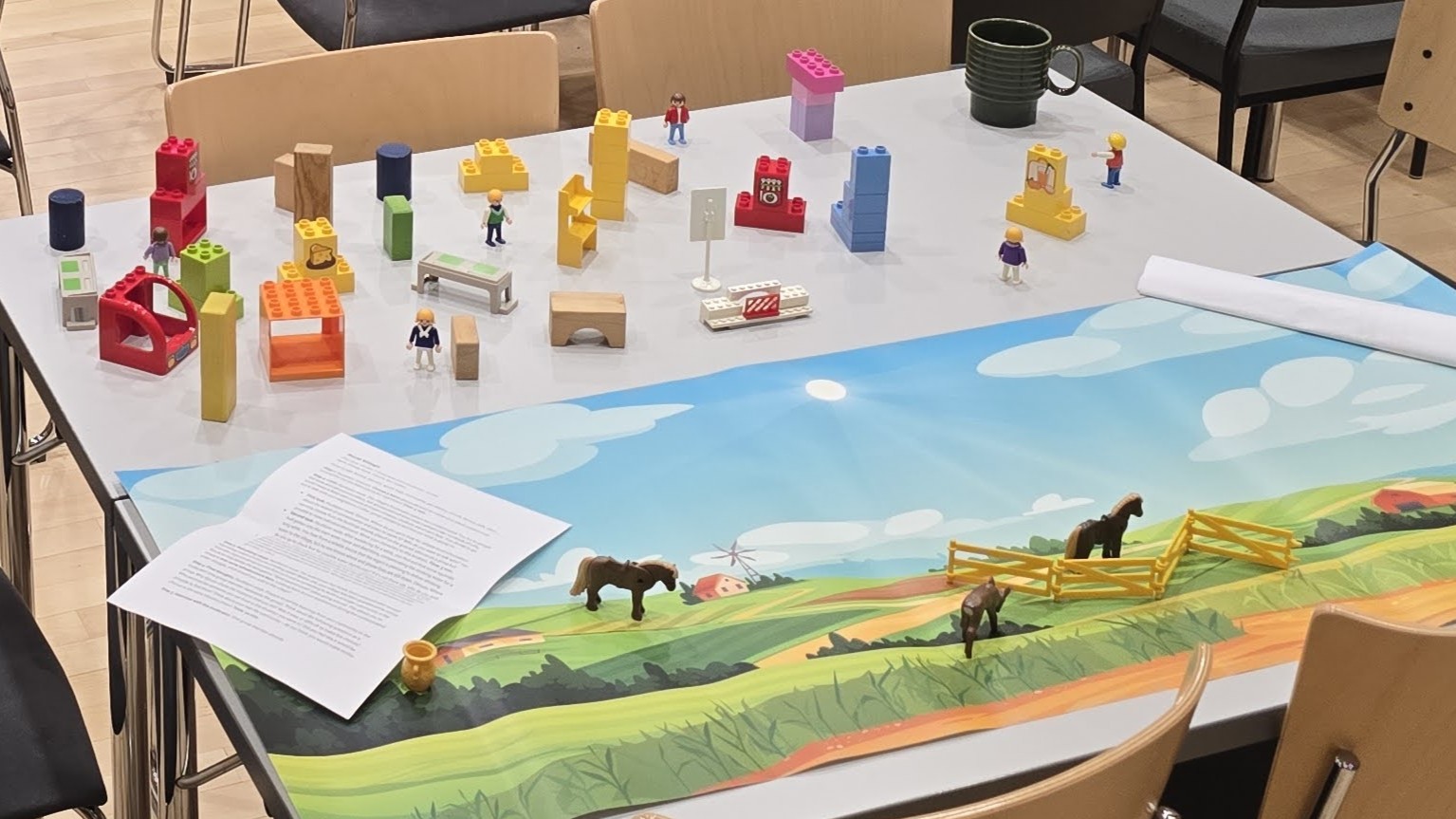
Each group first constructed an “ideal” community using infrastructure elements such as schools, libraries, healthcare centres, or community halls. They were then confronted with a crisis scenario, ranging from prolonged power cuts and water contamination to a hybrid attack disrupting digital systems.
The exercise followed three stages central to resilience thinking: preparation, response and recovery.
“In our research, we want to understand the role played by civil society organisations, institutions, or social infrastructure in times of crisis. By inviting participants to imagine their own response to crisis situations, we learned which institutions and social structures they instinctively relied on and trusted to provide information in a moment of need.” Lisa Rohrer, Research Fellow, Nordregio
Everyday institutions as crisis anchors
Across all scenarios, a clear pattern emerged. Participants repeatedly turned to familiar public spaces when seeking coordination and reliable information. Places like libraries, schools, community centres, and churches were frequently chosen as gathering points.
Traditional first responders, such as hospitals and police, were rarely the first stop unless the crisis required immediate emergency care. Instead, participants prioritised more open spaces capable of hosting larger groups and facilitating communication.
In smaller communities, informal networks played a strong role. Participants assumed that trusted individuals would step forward to coordinate help, and that information would circulate through existing social ties and informal networks. In the large city scenario, coordination appeared more complex and participants relied more on authorities and formal public-sector actors.
“Trust is built in ordinary times. The game showed that people rely on places and relationships that already function as social anchors. Psychological resilience is closely linked to how inclusive, connected, and well-supported communities are in daily life.” Hilma Salonen, Senior Research Fellow, Nordregio
While Nordic security strategies increasingly emphasise shared responsibility and self-preparedness, the game revealed a preference for collective action and shared spaces. Rather than focusing solely on emergency services, participants turned to spaces and relationships rooted in everyday life.
The findings highlight trust as a central dimension of psychological resilience. Informal actors and community networks shape how people imagine responding to crises. Everyday social infrastructure, such as educational and cultural institutions, youth services and voluntary organisations, contribute to building resilience and the foundations of crisis preparedness.
Contributing to a broader Nordic resilience analysis
The working paper and game scenarios have been developed within the project Recognising and Supporting Psychological Resilience: Regional Approaches Across the Nordic Countries. The project examines how municipalities, regional authorities, and civil society organisations can balance support for everyday life (“basic resilience”) with preparedness for sudden disruptions (“acute resilience”).
For policymakers, planners, and civil society actors, the serious game offers a practical tool for reflecting on trust, communication, and coordination in uncertain times. The full working paper, including a handbook for facilitating the Building Resilience game, is available on Nordregio’s website.