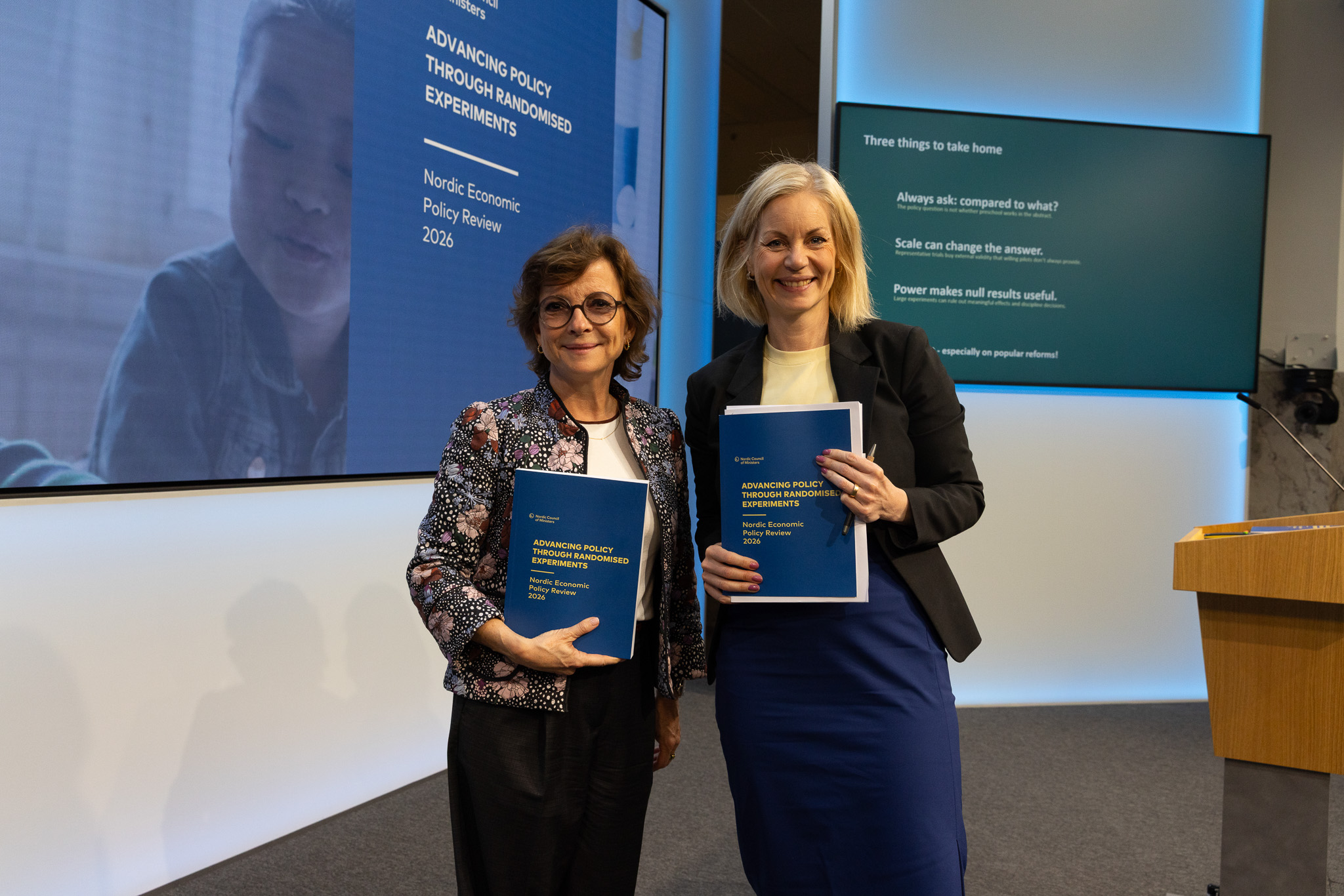
The 2026 edition of the Nordic Economic Policy Review was launched in Oslo on 6 May, bringing together policymakers, researchers and experts from across the Nordic region to discuss how experimental approaches can inform economic policy.
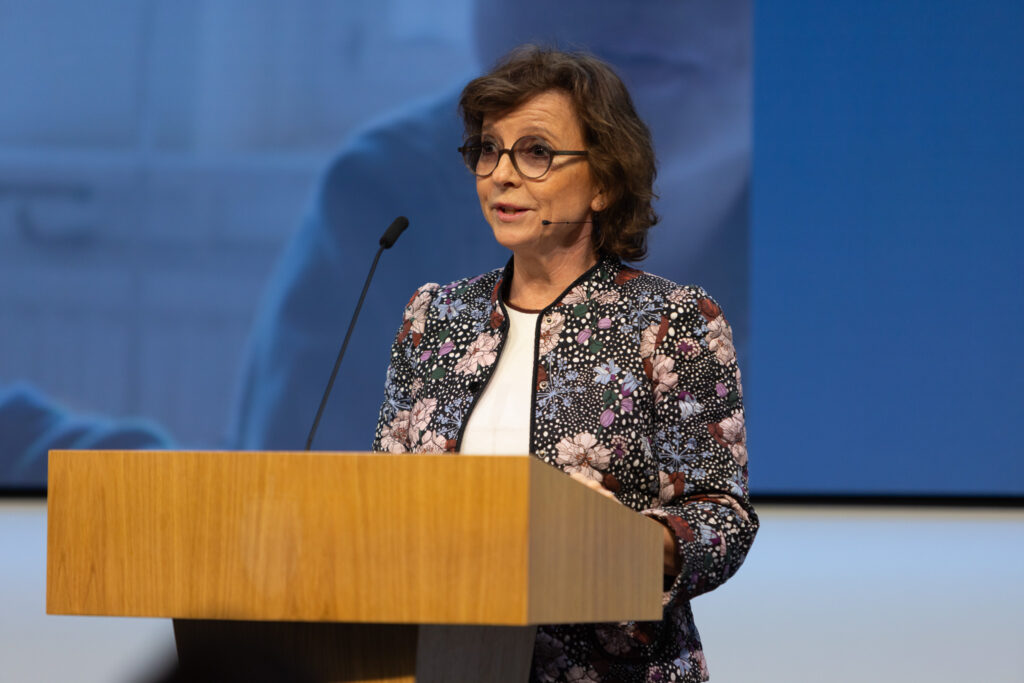
“Good policymaking should be based on reliable knowledge – but how to do this is less straightforward,” said Norway’s Minister of Research and Higher Education, Sigrun Aasland.
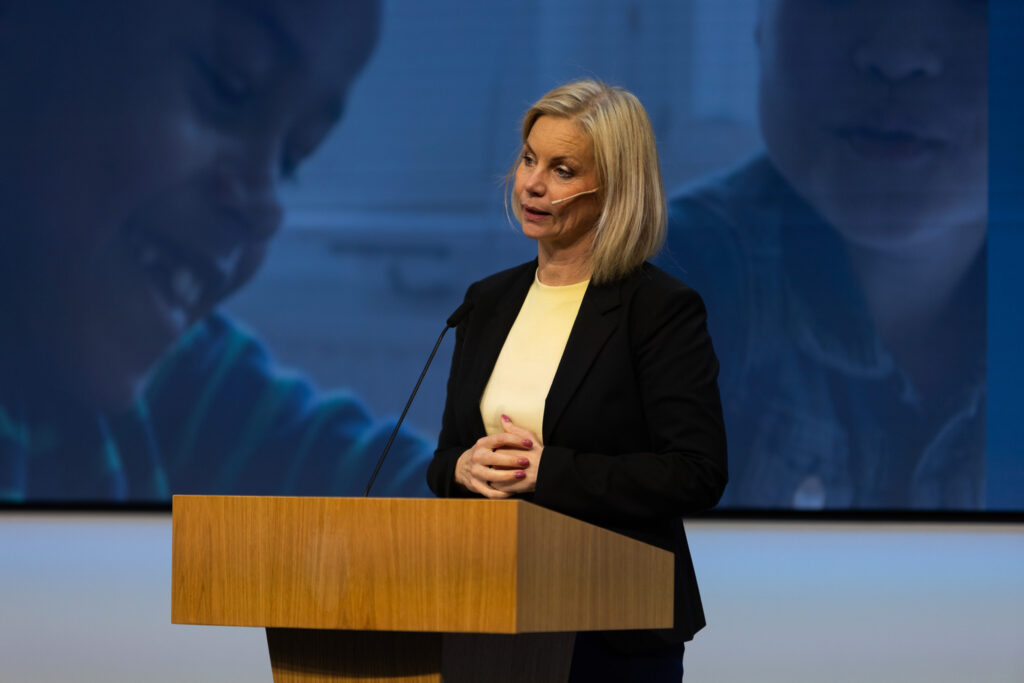
Opening the event, Minister Aasland highlighted the importance of strengthening the link between research and policymaking. She described the Nordic Economic Policy Review as a valuable platform for Nordic collaboration and knowledge exchange, noting that while countries in the region share many similarities, their differences also provide important opportunities for learning.
From ambition to evidence
This year’s edition of the Nordic Economic Policy Review explores the growing role of randomised controlled trials (RCTs) in public policy. Secretary General of the Nordic Council of Ministers, Karen Ellemann, highlighted both the importance of the topic and the role of cooperation across the region. “In a more fragmented and competitive world, this kind of cooperation becomes even more valuable,” she said.
This question of how to identify what works in practice is central to this year’s report. Introducing it, editor Roope Uusitalo (University of Helsinki) pointed to a key challenge for policymakers. “Without experiments, it is difficult to know whether a policy truly caused the outcomes we observe,” he noted, while emphasising that designing such approaches in real-world settings remains complex.
Testing policies before scaling up
A central case presented at the launch was Norway’s ongoing tax experiment. Simen Markussen (Ragnar Frisch Centre for Economic Research) outlined how more than 100,000 young adults have been randomly selected to receive an earned income tax credit over a five-year period, with the aim of testing its impact on labour market participation. However, the effects are not straightforward.
“It is not easy to predict how people will respond to this kind of policy change.” Simen Markussen
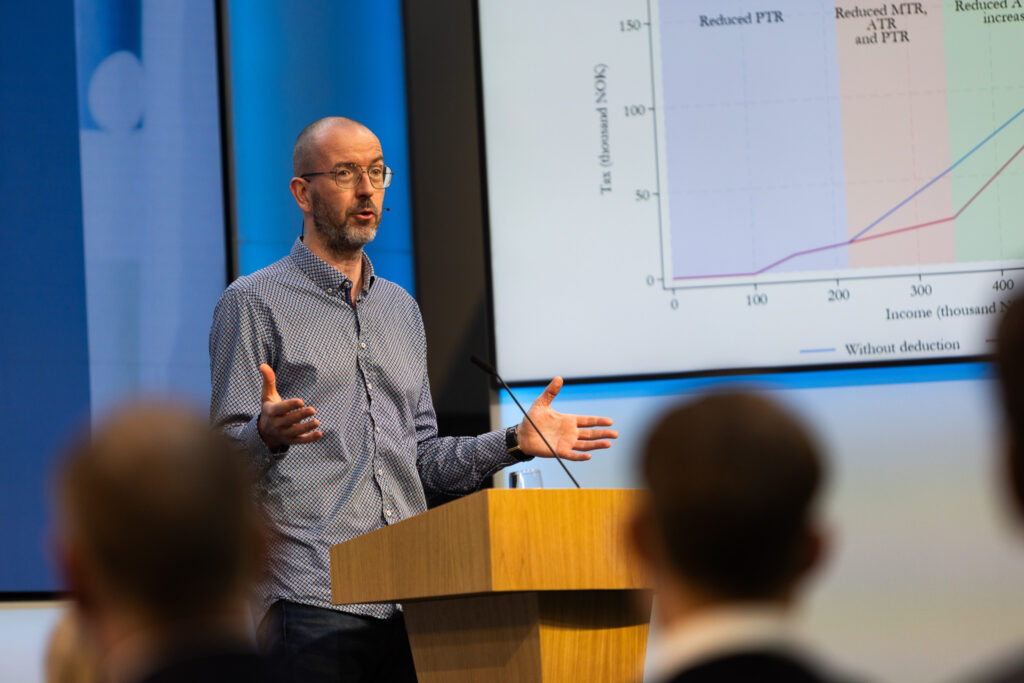
That uncertainty is precisely why the experiment is expected to provide important new insights for future tax policy.
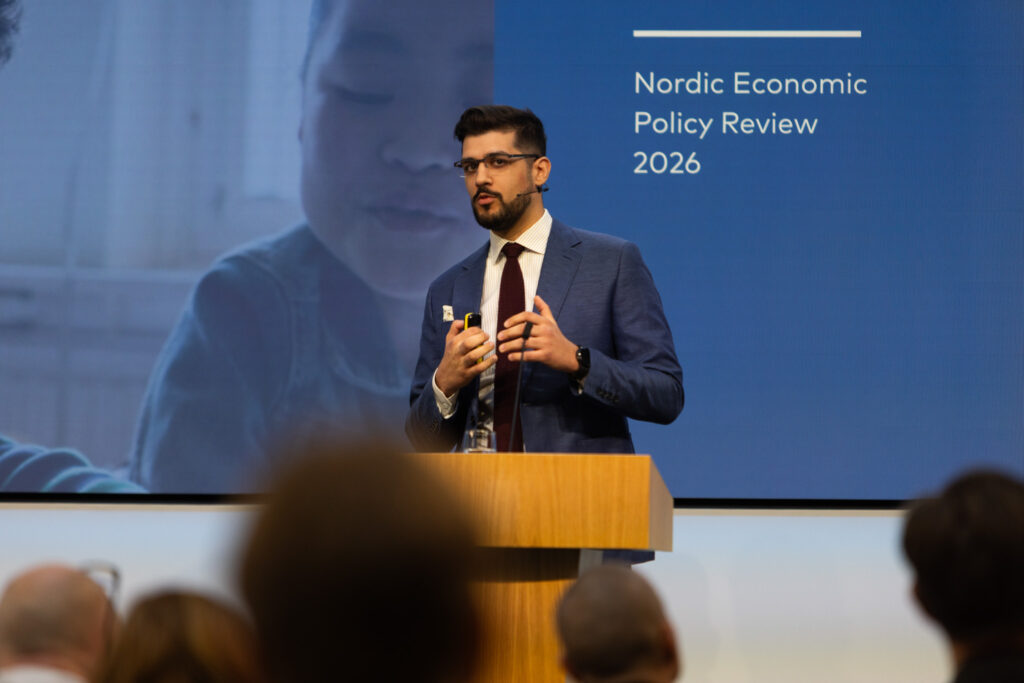
The programme also featured Finland’s national preschool experiment. Ramin Izadi (VATT Institute for Economic Research) presented findings showing limited long-term effects overall. At the same time, the results varied depending on what the intervention replaced. “The question is not does preschool work, but compared to what and for whom,” he explained.
Together, the studies illustrate how experimental approaches can challenge assumptions and provide more grounded insights before policies are implemented at scale.
Debate: evidence, politics and limits
The launch concluded with a panel discussion exploring the opportunities and challenges of experimental policymaking. The panel brought together Oda Indgaard (Norwegian Green Party), Karen Ulltveit-Moe (University of Oslo), Thomas Eisensee, (Swedish National Institute of Economic Research), Jukka Matilla, (VATT Institute for Economic Research), and Ragnar Bøe Elgsaas (LO Norway).
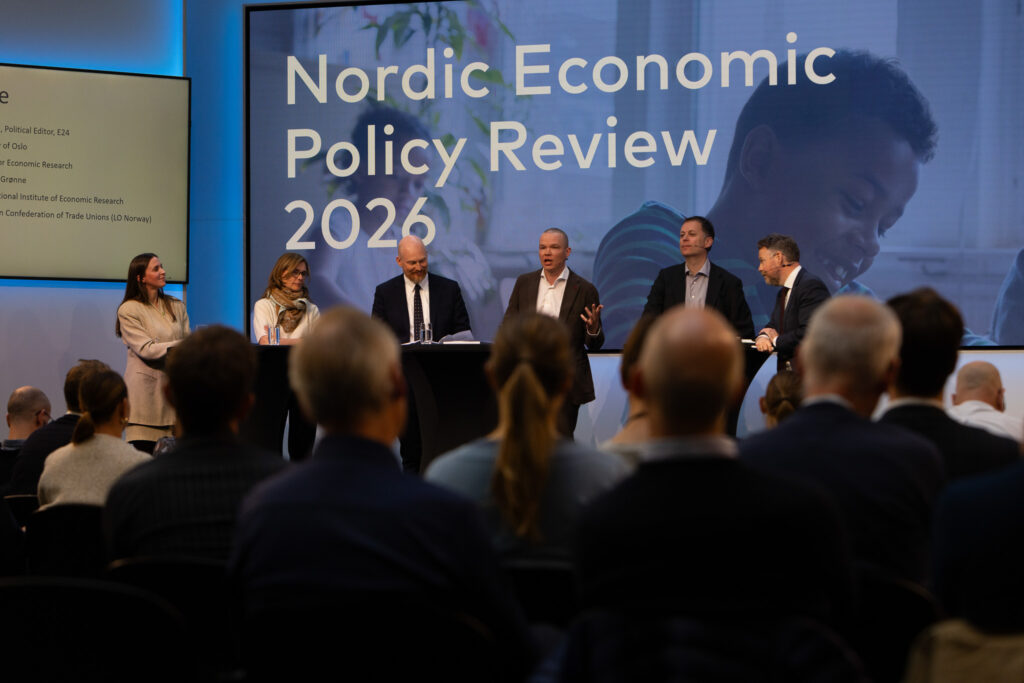
The discussion highlighted the tension between research timelines and political decision-making. Thomas Eisensee noted the challenge directly, pointing to “a fundamental tension between acting now… and waiting for evidence.” Questions of fairness and public perception were also raised, particularly in cases where policy interventions affect groups differently. At the same time, Jukka Matilla emphasised that policymaking already involves implicit experimentation. “The entire society is one big involuntary experiment,” he said.
Across the discussion, participants stressed that successful experimentation depends not only on research design, but also on strong institutional capacity and close collaboration between researchers, ministries and public agencies.
While there was support for expanding the use of experimental approaches, there was also a shared recognition of their limits. Experimental methods can provide valuable insights into policy effectiveness, but they cannot answer every policy question.
Nordic Economic Policy Review 2026
This edition examines how randomised experiments can be used to inform economic policy in the Nordic countries. Drawing on experiences from large‑scale trials in areas such as taxation, labour markets, education, and social policy, the five articles focus not only on what experiments reveal, but on how they are designed, authorised, and implemented in practice.
Report launch on 6 May
To learn more about the findings, watch the recording from the launch in Marmorhallen in Oslo.
About the Nordic Econmic Policy Review
The Nordic Economic Policy Review is an annual publication produced by Nordregio, commissioned by the Nordic Council of Ministers. The report aims to provide access to the latest economic research on priority policy areas and promote scientific knowledge exchange and dialogue among the Nordic countries. The report series has been instrumental in shaping informed decision-making by policymakers in various fields, including housing markets, welfare models, income disparities, and labor market integration. The review is funded by the Nordic Council of Ministers through the Nordic Committee of Senior Officials for Financial and Economic Affairs (EK-FINANS).