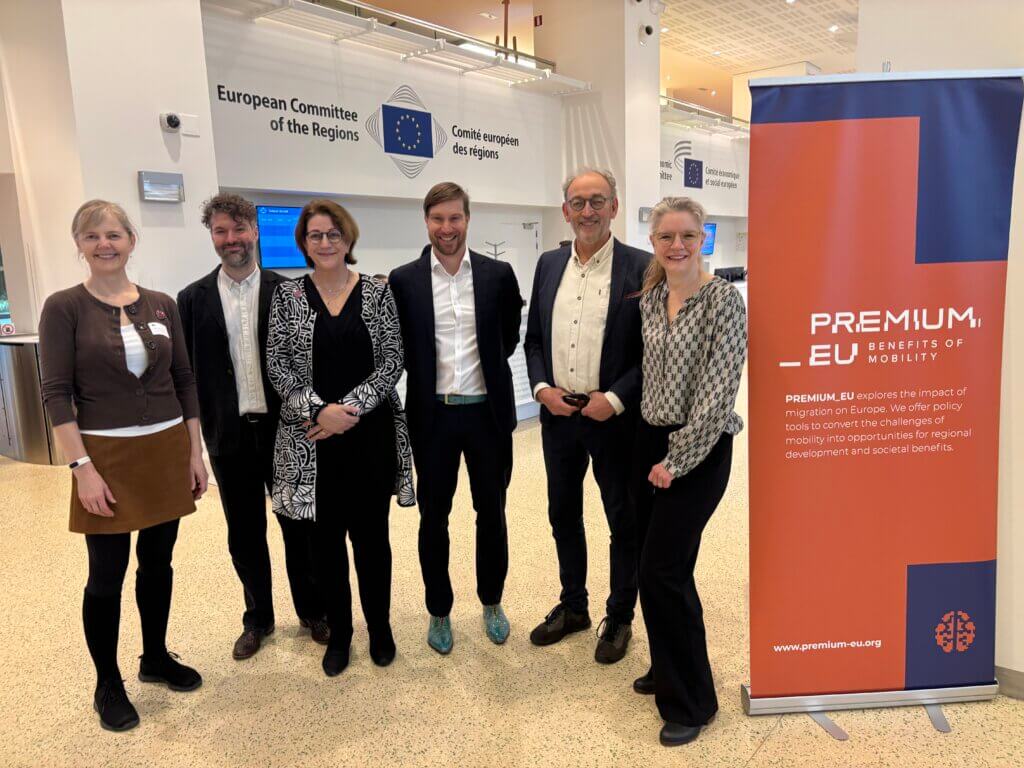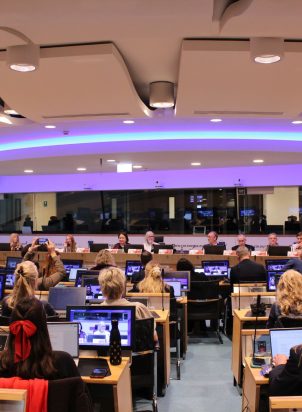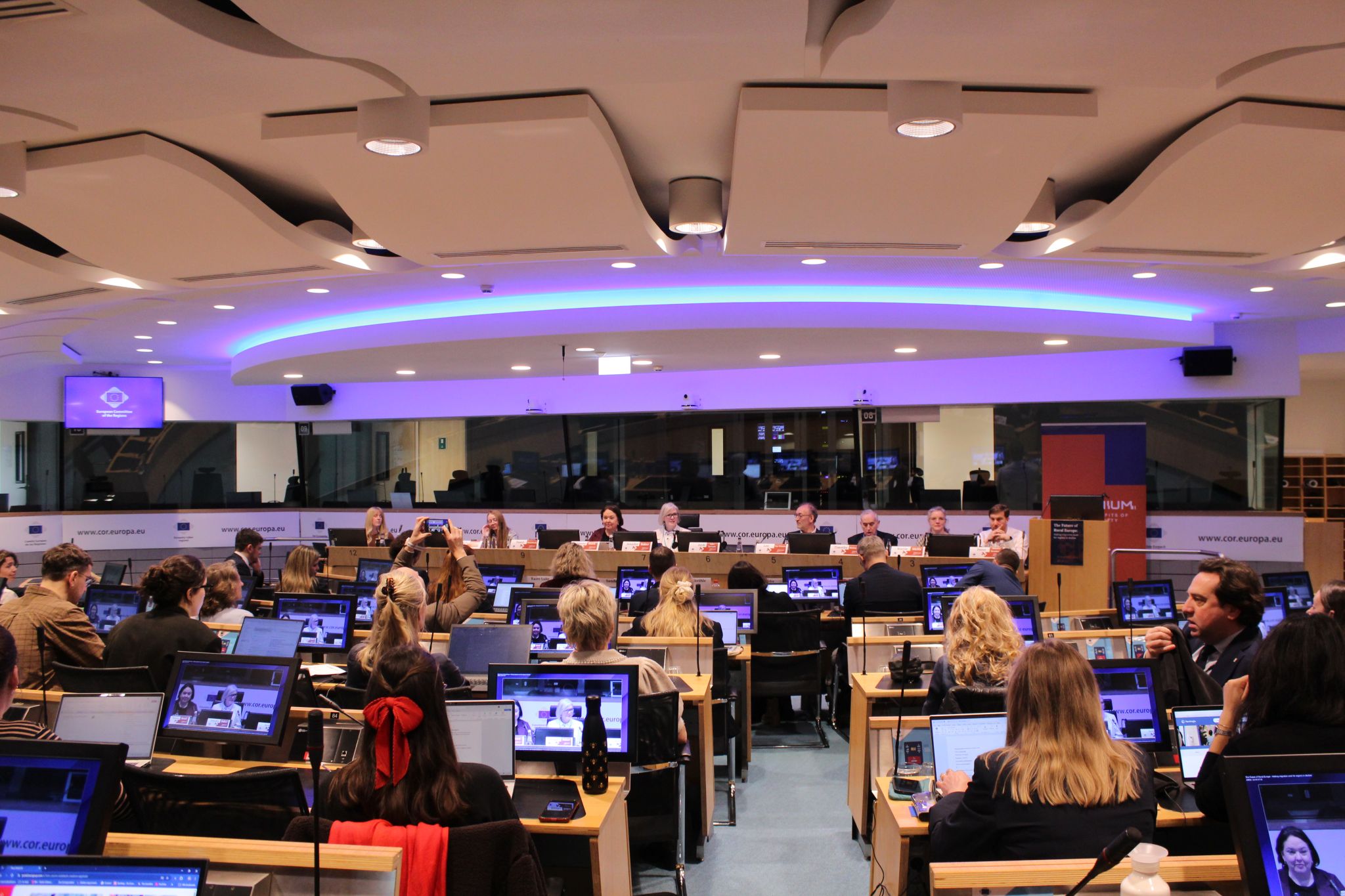
At PREMIUM_EU’s final conference in Brussels, policymakers and researchers came together around a shared theme, discussing population trends, regional development and migration as a central lever to change the fate of a rural Europe in decline.
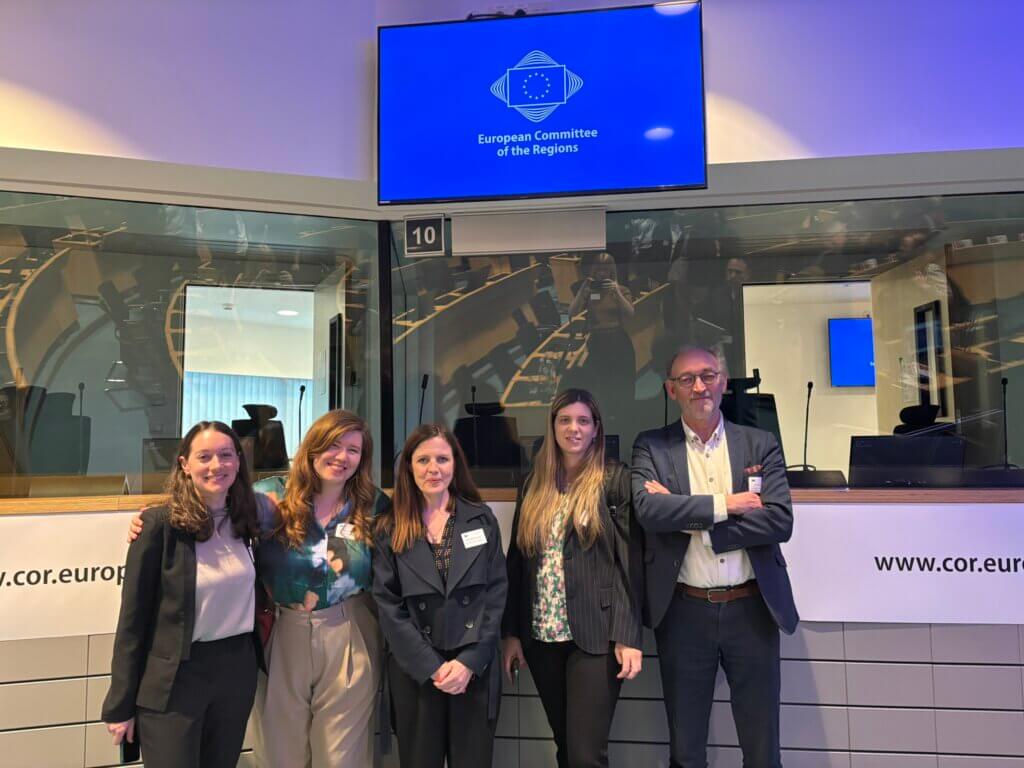
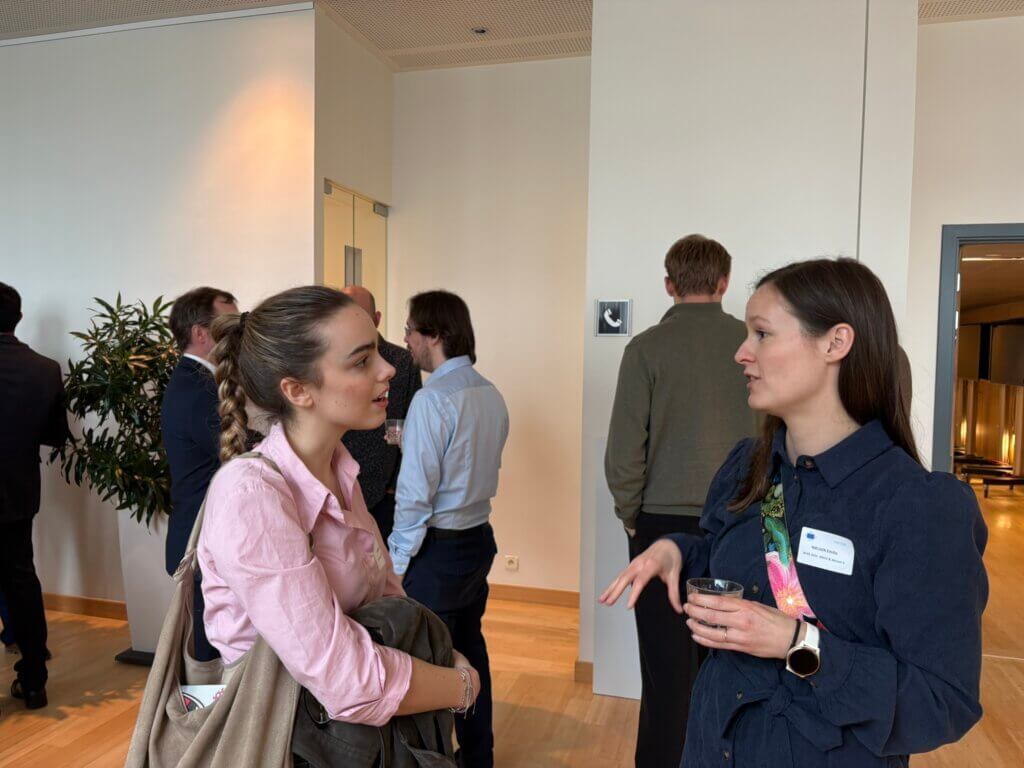
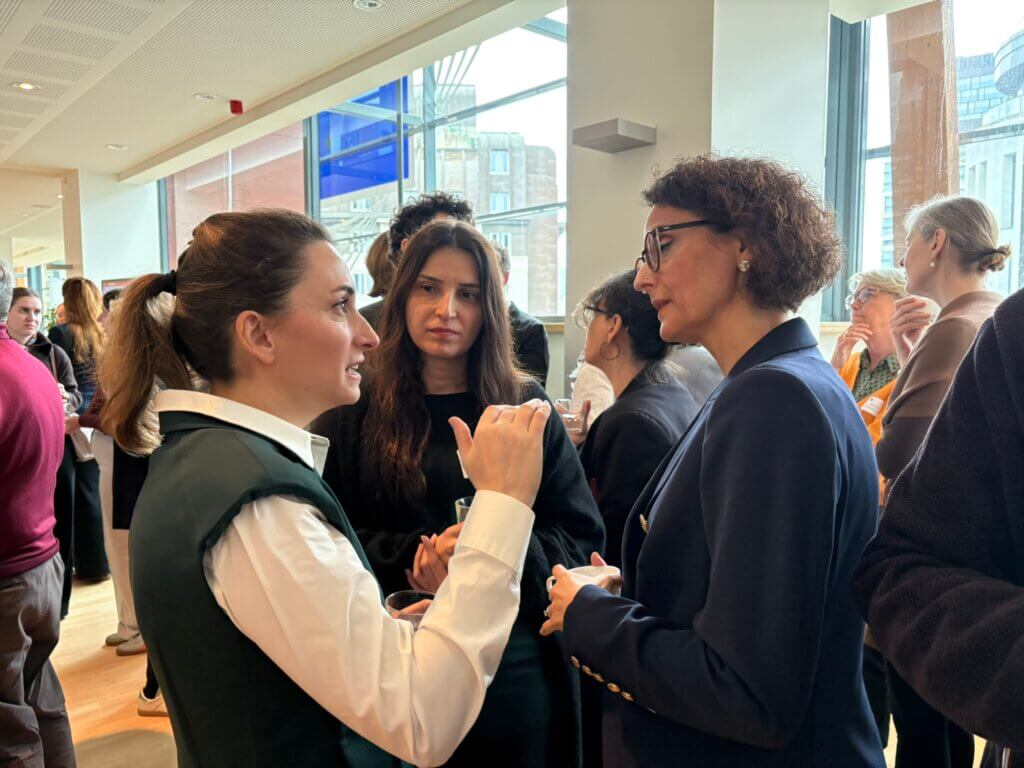
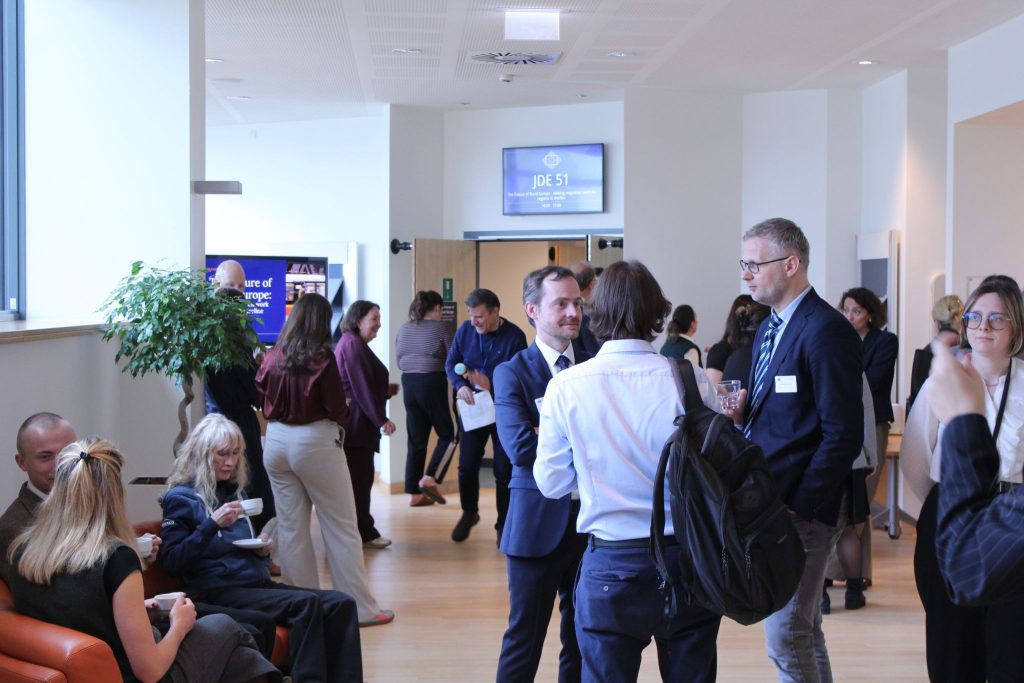
Held at the European Committee of the Regions, the conference marked the culmination of three years of research into how mobility shapes regional futures. Hosted by CoR member Hanne Roed, the PREMIUM_EU project brought together 120 participants in Brussels and attracted more than 400 registered online attendees. Participants represented 40 European countries, with many arriving a day early to join an informal networking reception ahead of the conference. The event created a space for policymakers and researchers to learn from each other and discuss solutions to shared challenges across rural regions.
No time to read? Here are 8 key insights:
- Migration is not a side issue: It is a structural force shaping regional development, labour markets and long-term resilience.
- Quality of life matters as much as jobs: Housing, services, belonging and life-stage factors are central to retention and return. Not one policy makes the difference, but a strategic combination.
- Who moves matters: Migration is selective. Age, gender and education levels particularly matter in shaping regional outcomes.
- Attraction is not always the answer: In some regions, strengthening conditions for existing residents is more realistic than competing for newcomers.
- Integration capacity is a key constraint: Small regions often lack the systems and resources needed to support long-term settlement.
- No one-size-fits-all solutions: Effective policies must be tailored to regional profiles and community needs.
- The Resilient Regions Policy Dashboard is now available to support place-based policies and comparative insight.
- Implementation comes next! The data is there; the next step is to use it to target interventions, mitigate risks, showcase rural advantages, and untap the benefits of mobility.
At the center of the conference was the official launch of the Resilient Regions Policy Dashboard. A tool designed not only to map demographic change, but to translate it into actionable policy strategies for regions facing decline.
Rather than treating migration as a symptom, the project reframes it as a structural force for growth. One that, if understood and governed effectively, can stabilise labour markets, sustain services, and reshape long-term development trajectories.
“Demographic decline will reshape Europe’s regions. The real policy challenge is not preventing it but governing it wisely,” said Dr Peter Meister-Broekema, Hanze University of Applied Sciences, in his opening audience dialogue, kicking off the day.
What are we actually trying to grow? Beyond GDP and infrastructure
If migration is to be governed effectively, the question of what counts as development becomes central.
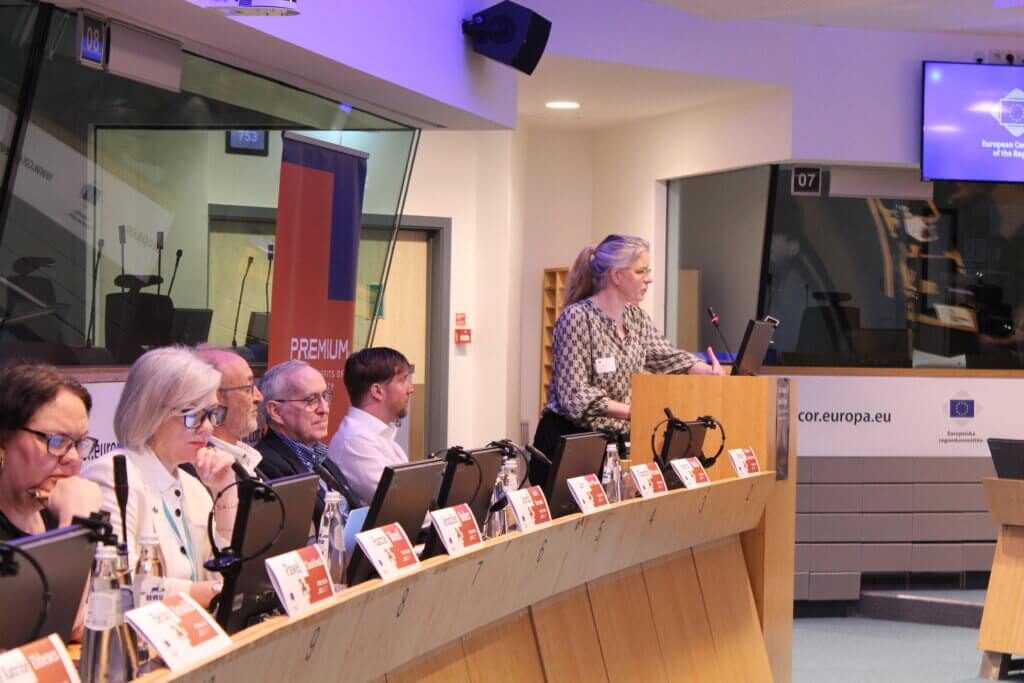
In the first presentation of the day, Dr Korrie Melis, Hanze University of Applied Sciences, highlighted the fact that regional development research traditionally prioritises economic indicators, often overlooking equally important social and environmental dimensions.
Melis presented PREMIUM_EU’s work to expand how development is measured through the ‘Atlas of Regional Development’, which brings together up to forty indicators, from life satisfaction and perceived safety to healthcare capacity and CO₂ emissions. By asking “what kind of regional development, and for whom?”, she opened a broader discussion on the types of lives regions enable, spanning cultural, political and ecological dimensions. The concept of “quality of life” was placed at the centre, underscoring the need for more integrated, people-centred policy approaches.
The limits of single-sector solutions were further illustrated by Nordregio’s Dr Timothy Heleniak’s presentation from the Faroe Islands. Decades of investment in roads and tunnels have improved accessibility and supported stability in some areas. Yet in more remote communities, population decline has persisted. Connectivity, while necessary, has not been sufficient.
Shaped by unique geography, the Faroe Islands still offer transferable lessons for other remote and sparsely populated communities facing accessibility challenges. Heleniak argued that while connectivity is a necessary condition for rural resilience, it is not a standalone solution. To achieve balanced and sustainable development, transport investments must be aligned with broader policies on employment, service provision, and quality of life, as Dr Melis also pointed out earlier.
From best-practice models to place-based policy mixes
Both research presentations illustrate a key point at the core of the PREMIUM_EU project: rural resilience is not a quick fix following a single migration, attraction or retention policy, but the result of carefully crafted policy strategies. These must respond to the specific profile of a region as well as to the needs, motivations, and life situations of the people living in or moving to it.
This is precisely where the Resilient Regions Policy Dashboard positions itself. Rather than offering generic “best practices”, it provides a structured way for policymakers to diagnose their region’s demographic and development profile, understand how different forms of mobility shape it, and identify actual policy responses grounded in comparable regional data.
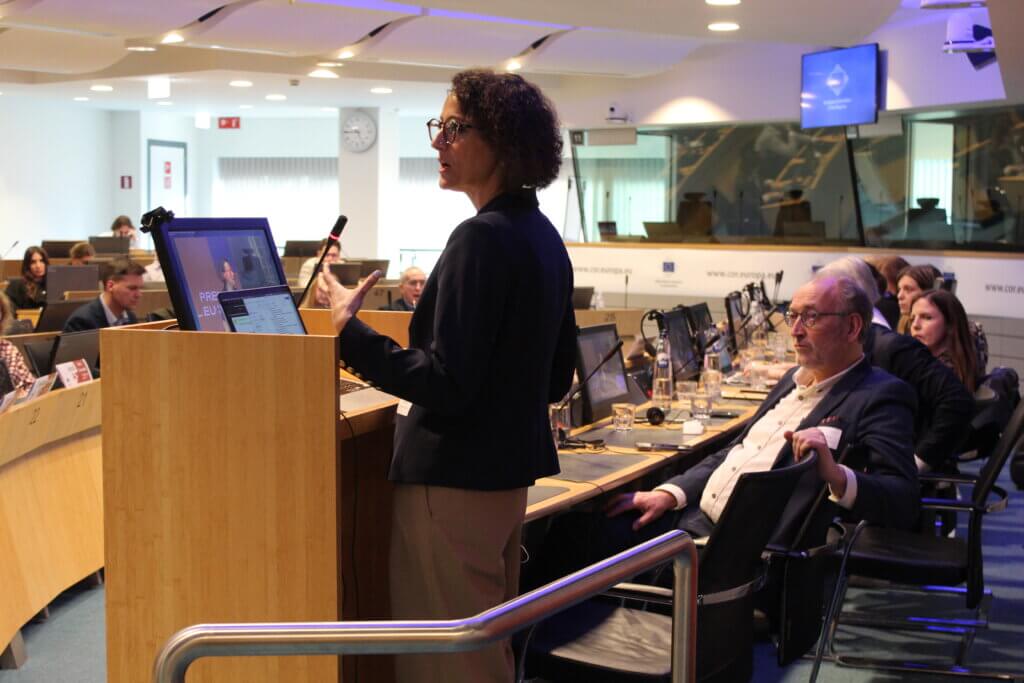
Dr Becky Arnold, scientific co-designer of the dashboard and researcher at NIDI, guided the audience through the interface, showing how the dashboard integrates development indicators, mobility trends, tailored policy inspiration and lived experiences.
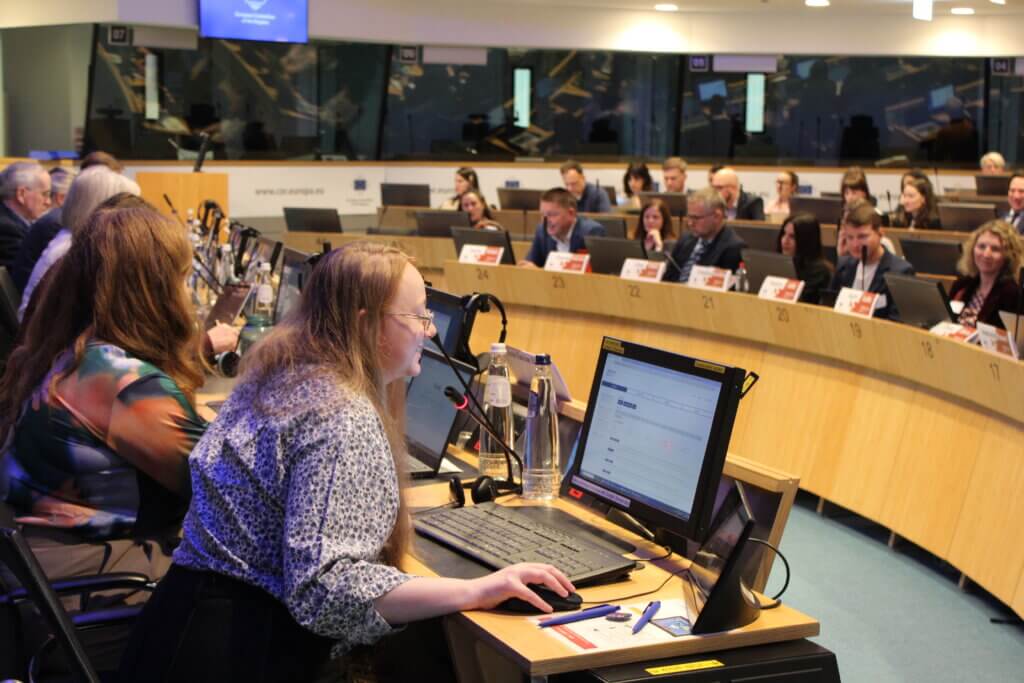
Arnold also highlighted the co-creation process behind the dashboard. The tool has been shaped more thoroughly with testing workshops and a focus group of policymakers, ensuring it corresponds to the needs of actual users. The tool also invites users to co-create directly through the “community input” function, allowing policymakers to add their own strategies and policies implemented in a European region.
The work behind this new dashboard was a highly collaborative effort, emphasised Arnold. Anne Katrine Ebbesen, Nordregio, coordinated the creation of the dashboard including developer and research teams, workshop facilitation and design process, Dr Peter Meister-Broekema, Hanze University, developed the policy web scraping approach, while Kamila Dzhavatova, Nordregio, built and coded the fully interactive, filterable tool.
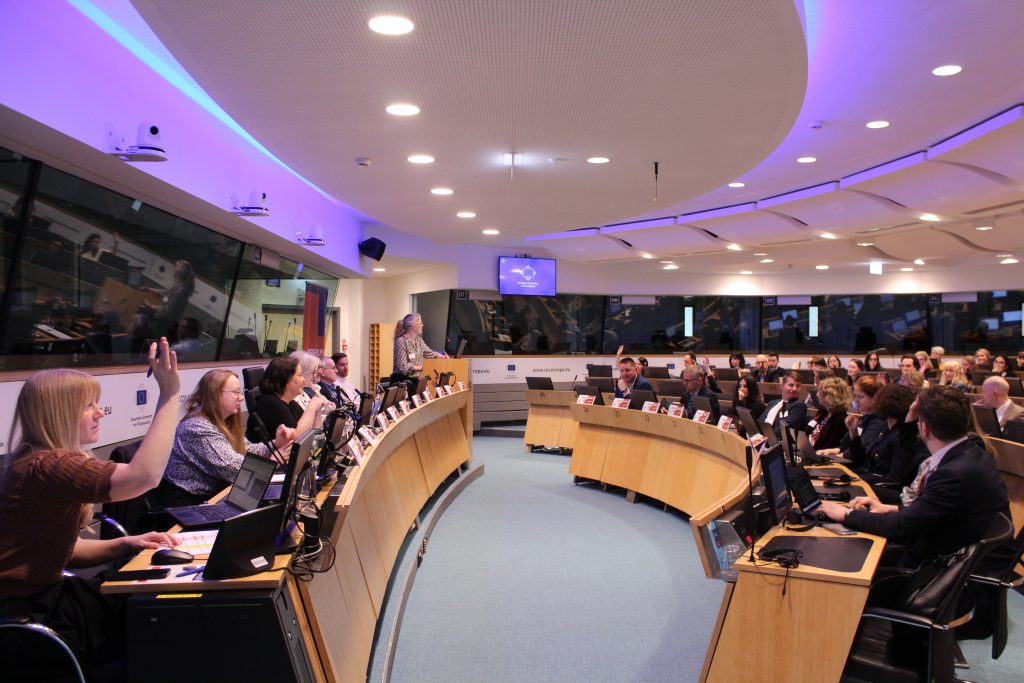
On stage together with Anne Katrine, Peter and project manager Leo van Wissen, Becky opened the floor to questions from an engaged audience before the conference moved into the first panel discussion. Find the live demo at CoR on YouTube:
Debating what makes people stay and what brings them home
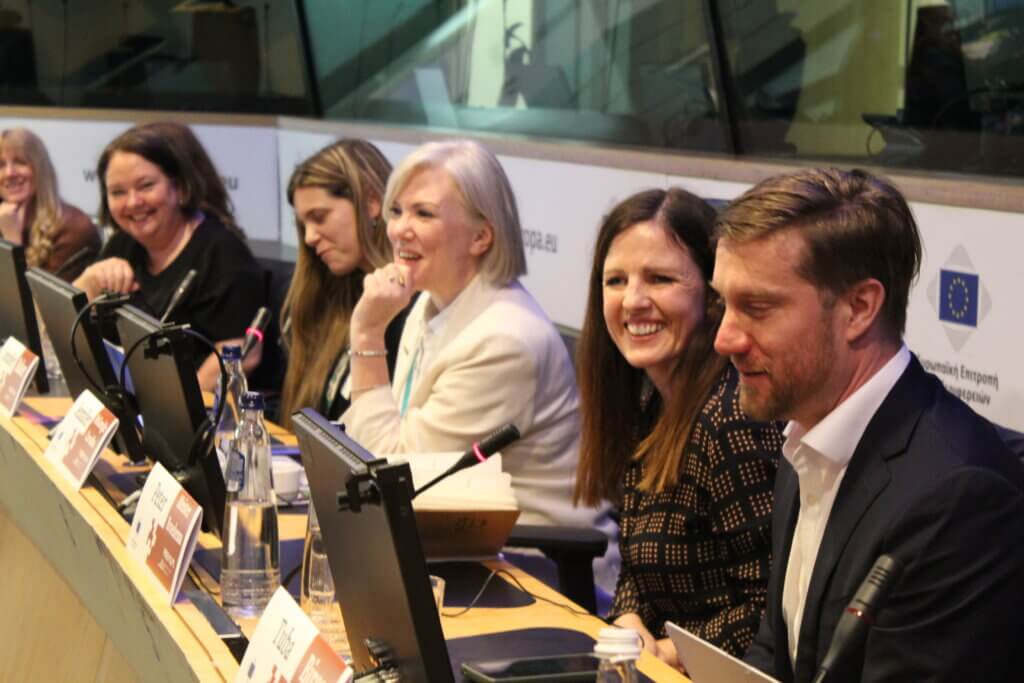
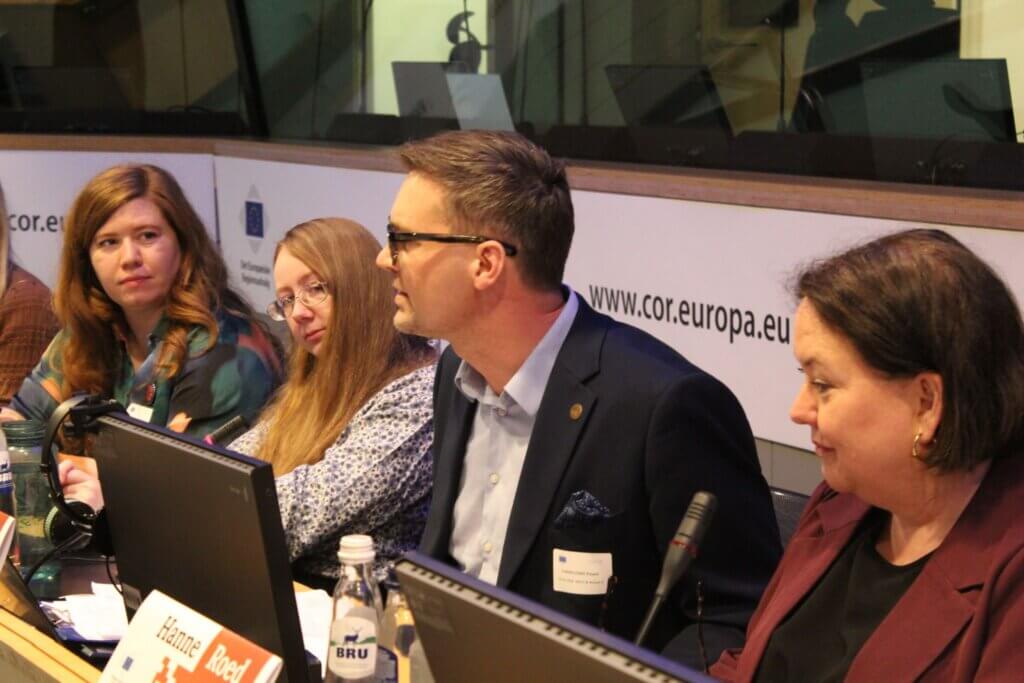
After the live demonstration of the Resilient Regions Policy Dashboard, a discussion was only natural and needed to ground the digital tool in political reality. Four panelists took to the stage together with the moderator, EU policy and tech reporter, Jennifer Baker to share perspectives on how to keep residents happy enough to not move away in the first place.
Our Committee member host Hanne Roed pointed to a strategic pivot already underway in parts of Europe:
“We’ve given up on getting new people. Now we’re focused on getting people back.”
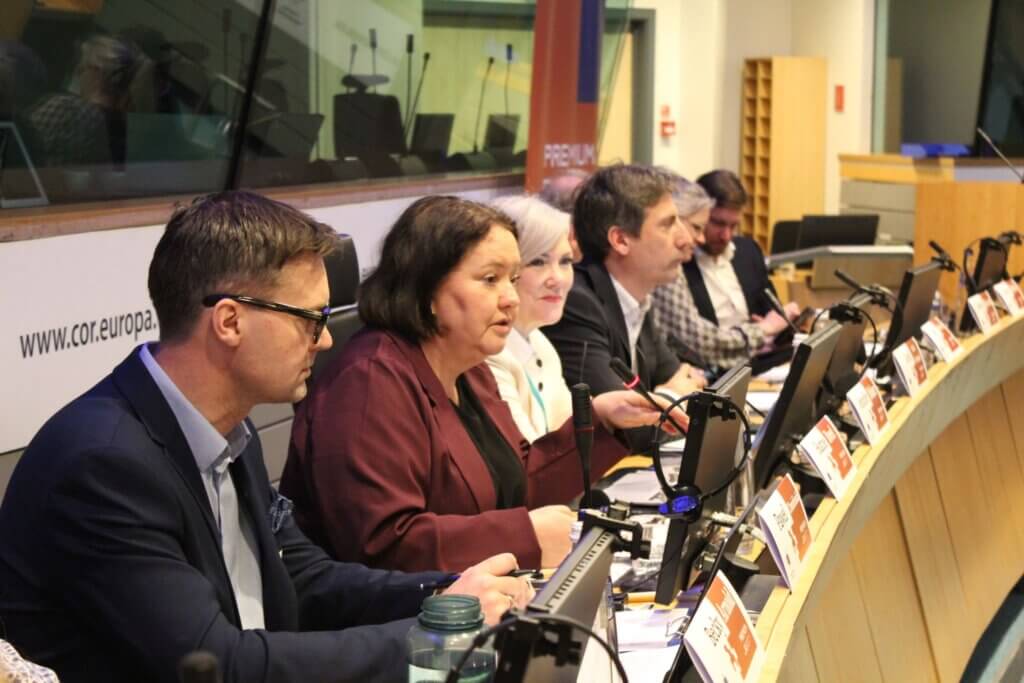
This repositioning, from attraction to return, was echoed across the panel. Return migration was framed less as a demographic bonus and more as a policy target, shaped by life stages, affordability, and social ties. Housing, access to schools, and proximity to family were repeatedly cited as decisive factors, not secondary considerations.
At the same time, speakers stressed that economic incentives alone are insufficient. Jordi Solé i Ferrando, representing the Catalan Association of Municipalities, highlighted that even in regions with strong identity and quality of life, attraction strategies fail without structural backing:
”Small municipalities, often with limited administrative capacity, require coordinated support, financial instruments, and regulatory flexibility to compete.”
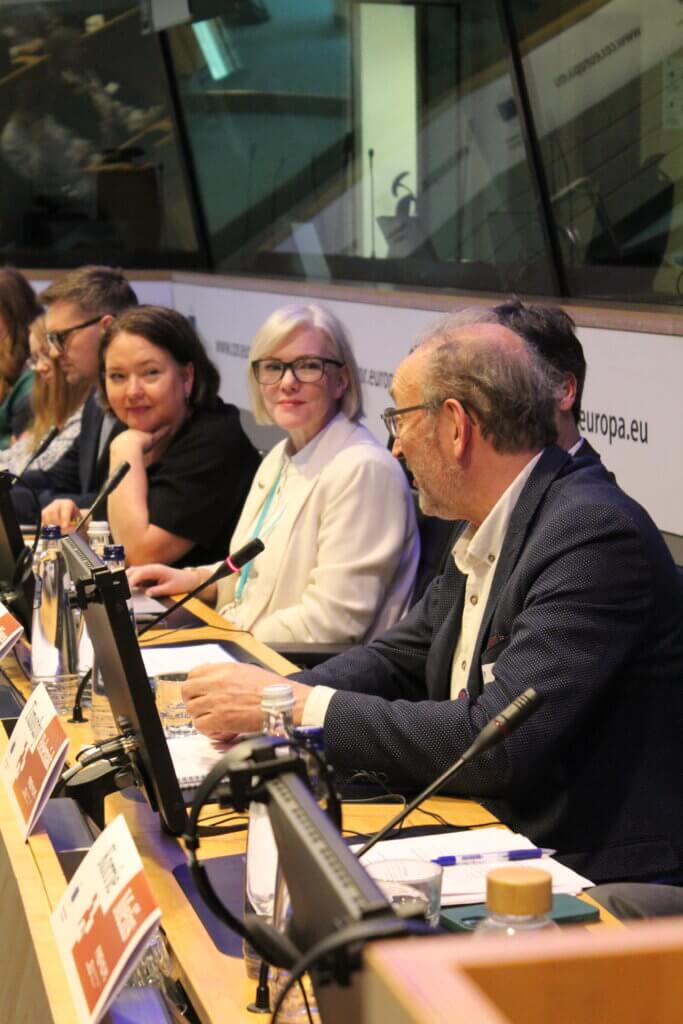
Dr Leo van Wissen, former director of the Netherlands Interdisciplinary Demographic Institute and project leader of PREMIUM_EU, added a structural constraint that underpins much of rural Europe’s challenge:
“Ageing populations are not only a demographic outcome but a mechanism that accelerates decline, as younger cohorts are effectively pushed out despite willingness to stay.”
The discussion also exposed a persistent blind spot in policy design. As Paweł Chmieliński, president of the European Rural Development Network and Polish Academy of Sciences, argued, intangible factors like belonging, well-being and local culture remain underdeveloped in policy frameworks, despite being central to retention decisions. These elements are difficult to quantify but ignoring them leads to incomplete strategies.
Across the exchange, one tension remained unresolved: Regions are increasingly equipped with data, yet still struggle to translate it into integrated, cross-sector policy. Fragmentation, particularly between economic, social, and territorial planning, continues to limit impact.
The panel closed on a pragmatic note. Migration is not a variable that regions can control but one they must work with. The policy question is no longer whether people will leave but under what conditions they return, stay connected, or choose to come at all.
Migration under the microscope
The afternoon sessions shifted focus from policy responses to a more fundamental question: who actually moves and what does this mean for Europe’s demographic future? Drawing on PREMIUM_EU’s harmonised data and projections, Dr Dilek Yildiz from the International Institute for Applied Systems Analysis presented patterns of international migration between countries, while Dr Leo van Wissen focused on internal migration between regions.
Together, their analysis showed how these different forms of mobility shape regional development in distinct but interconnected ways. A key finding was that migration is highly selective: who moves is strongly structured by age, gender and education. This selectivity affects not only population size, but also its composition, with long-term implications for labour markets, innovation capacity and fiscal sustainability.
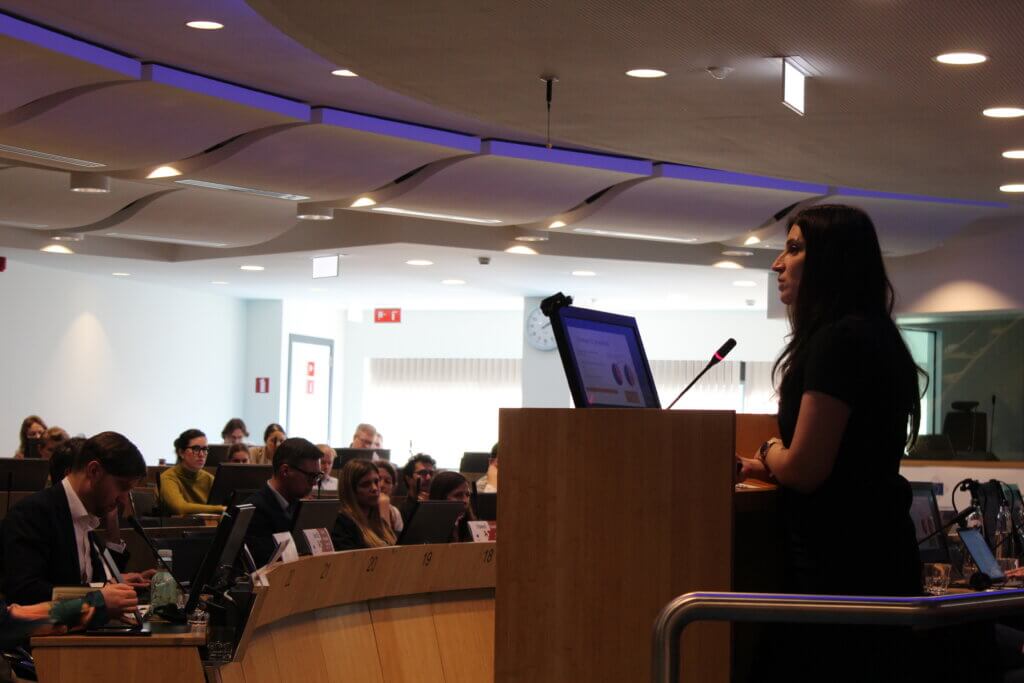
Particular attention was given to the role of education. The presenters demonstrated how differences in educational attainment among migrants can either reinforce or reduce regional disparities. Using examples such as Sofia and Lovech in Bulgaria, they showed how highly educated individuals tend to concentrate in already strong regions, while others risk further decline. At the same time, attracting and retaining skilled populations was identified as a key lever for supporting more knowledge-based and resilient regional economies.
As Dilek noted, “Population projections that ignore the education dimension miss the real structural impact.” Building on this, van Wissen emphasised that education should be treated as a foundational component of regional attractiveness and policy design.
What crisis migration reveals about local systems
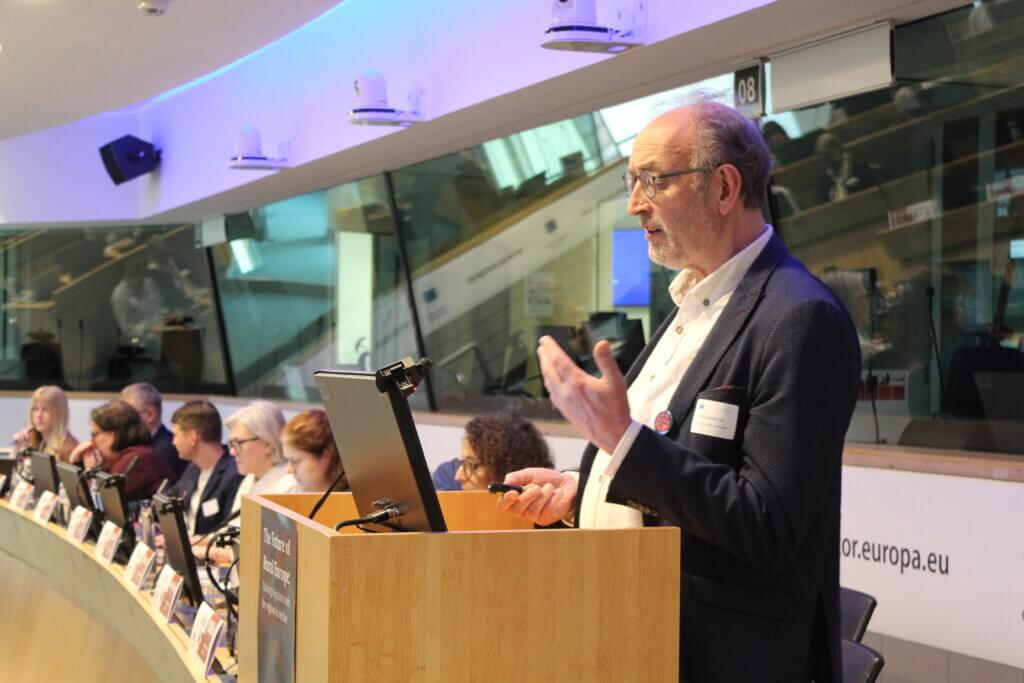
The following presentation shifted focus to forced migration, examining what Ukrainian displacement can reveal about integration beyond Europe’s major cities. In “Integration under pressure: Ukrainian displacement in a regional perspective”, Dr Konrad Pędziwiatr, Krakow University of Economics, showed how rural and intermediate regions respond when demographic change occurs rapidly and at scale.
Drawing on findings from Poland and evidence across the EU, he highlighted a dual reality: displaced Ukrainians have helped stabilise labour markets and local services in regions facing decline, yet these same regions often lack the institutional capacity to support long-term integration.
A central insight was that integration in smaller places follows a different logic. It is less driven by formal programmes and more by local authorities, informal networks and individual initiative, with municipalities acting as the primary entry point for newcomers. Structural gaps in language training, job matching and access to services remain key barriers.
While forced displacement is not the main focus of PREMIUM_EU, the case offers a valuable lens. It shows how different forms of mobility place pressure on regional systems, but also how they can create opportunities for resilience. For the project, it reinforces a broader point: understanding migration in all its forms is essential for designing policies that can respond to both gradual change and sudden shocks.
Policymaker points about the rural advantage
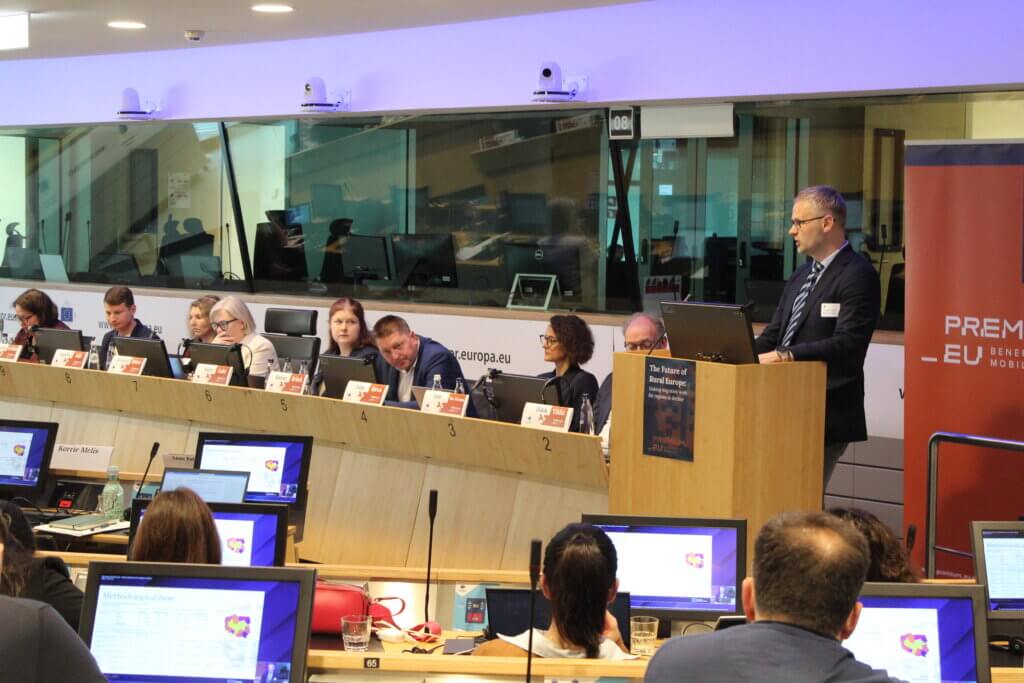
The second panel shifted the earlier discussion’s focus from retention to attraction but quickly challenged the premise itself. Moderated by Anne Katrine Ebbesen, senior communications advisor from Nordregio and communications manager of PREMIUM_EU, the discussion moved beyond the familiar language of campaigns and competitiveness to examine what actually sustains population flows over time. As highlighted in the panel framing, attractiveness is often reduced to slogans: nature, connectivity, tax incentives but these rarely reflect the lived realities of migrants.
Instead, speakers agreed on a more structural understanding. Tuba Bircan argued that the core challenge is not designing better policies, but ensuring their implementation and long-term sustainability, noting that attractiveness depends less on branding and more on how people experience relationships and integration on the ground.
This was echoed by Claudius Ströhle, whose fieldwork points to a persistent gap between policy design and migrant experience, including the absence of what one interviewee described as a tangible “migration experience” in smaller communities. An indication that arrival infrastructure and social onboarding remain underdeveloped.
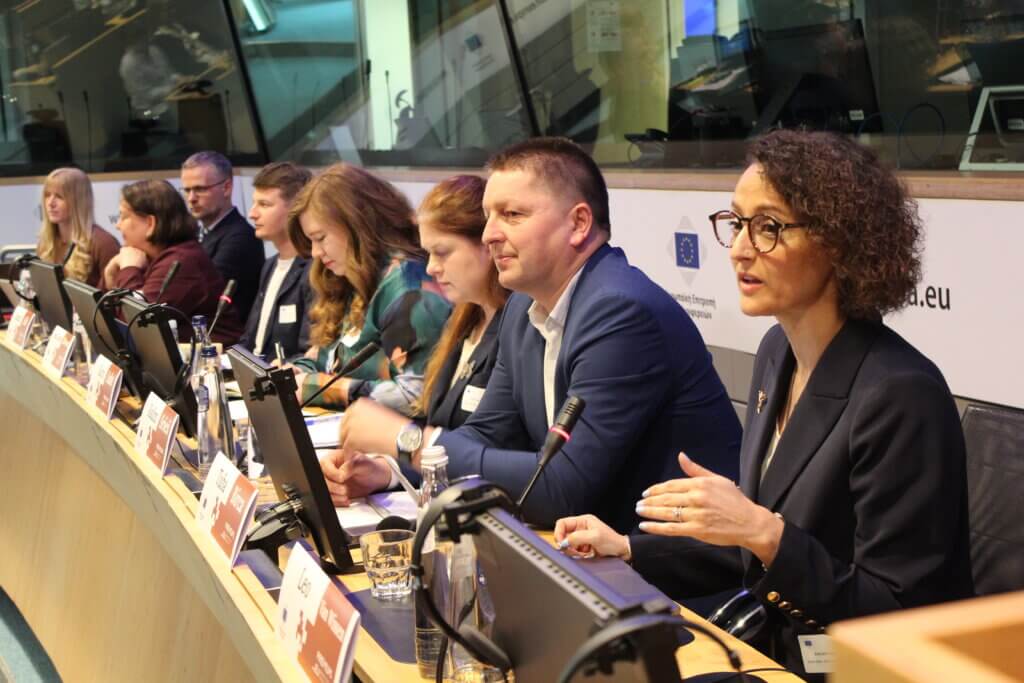
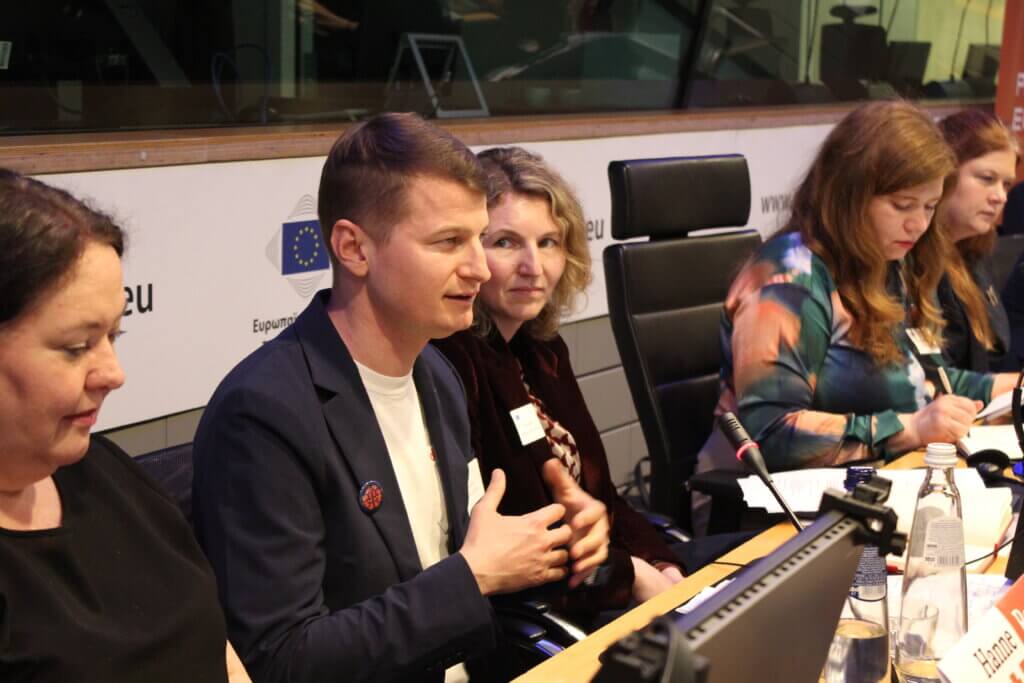
At the same time, the panel underscored that quality of life remains Europe’s strongest comparative advantage, particularly in rural regions. Radim Sršeň framed this not as an abstract value but as a lived choice, reflecting his own return to a rural municipality, while Kaire Luht pointed to the continued relevance of agricultural history and culture in shaping place-based attractiveness strategies. Yet both stressed that not all regions can or should compete on the same terms. Territorial approaches, urban–rural linkages, and realistic expectations about who a region can attract are essential.
Sandra Jolk brought the discussion back to scale and urgency. With around 30% of EU regions facing labour shortages, she described a self-reinforcing cycle where declining populations reduce innovation capacity and public services, further accelerating outmigration. Breaking this cycle requires coordinated action: skills development, connectivity, and place-based policies that cut across administrative silos. Crucially, she emphasised that decline does not have to mean a decline in quality of life provided regions adapt their service models and governance structures accordingly.
Across the panel, a more pragmatic conclusion emerged. Attraction is not always achievable, and in some cases, policy should shift from competing for newcomers to strengthening conditions for those already there. In that sense, the debate reframed attractiveness not as a universal goal, but as one component in a broader strategy of regional resilience.
Conclusion: From research to responsibility
The conference also turned outward, bringing in sister Horizon Europe projects MOBI-TWIN and Re-Place to situate PREMIUM_EU within a continued research landscape of connecting decline data to the policymaking process. Where PREMIUM_EU has a broad focus on policy solutions, our sister projects add important focal points, specifically how the green and digital transition affects population change and how participatory policymaking can result in more sustainable changes. By comparing approaches and findings, the Q&A underscored the value of coordinated research and knowledge exchange. It also pointed to the need for stronger alignment between projects to support policymakers facing similar demographic pressures.
Tuba Bircan closed the conference by reframing the debate in human terms:
“People are agents of change, and they will decide how things will look in the future.”
Her message underscored a recurring theme throughout the day: migration is not just a flow to be managed, but a set of decisions made by individuals navigating opportunity, belonging, and constraints.
By the end of the day, the tone had shifted from diagnosis to delivery. The launch of the dashboard marked a transition point for the project: from generating knowledge to placing tools directly in the hands of policymakers. As one speaker noted, the gap is no longer data scarcity, but how that data is used and by whom.
In the final remarks, Leo van Wissen captured both the ambition and the uncertainty of the project’s legacy: “Now we’re ready to hand it over to society.” The evidence base has been built. What follows is a test of evidence-based-governance: whether regions can move beyond fragmented responses and use migration as a deliberate instrument of resilience.
The Resilient Regions Policy Dashboard is a step in that direction. It translates complex data into solution suggestion, enabling regions to assess their position, find and compare with peers and identify tailored policy responses.
As audience member Alexia Rouby from DG Agriculture and Rural Development, European Commission, noted:
“I think the dashboard is really interesting in the way it is structured and will be very useful for the Commission and national authorities’ work in the coming months.”
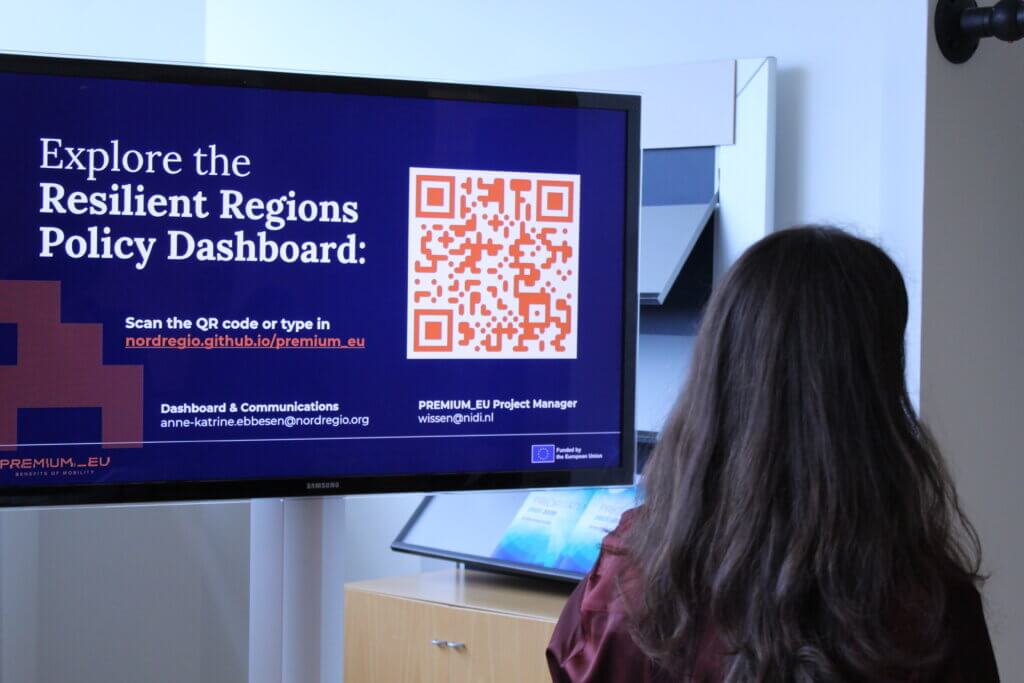
The next step is clear: the tool is available. The question is how it will be used. Access the Resilient Regions Policy Dashboard to:
- Understand your region’s development profile – strengths and weaknesses and population projections
- Find and explore comparable regions
- Be inspired by policy strategies that fit your region’s situation
At the same time, the conversation does not end here. Following the work of sister projects MOBI-TWIN and Re-Place will be key to understanding how migration intersects with the green and digital transitions, and how participatory approaches can support more sustainable regional development.