Across the Nordic Region, reliable statistics are essential for following and understanding developments. But making national data comparable across countries takes long-term collaboration.
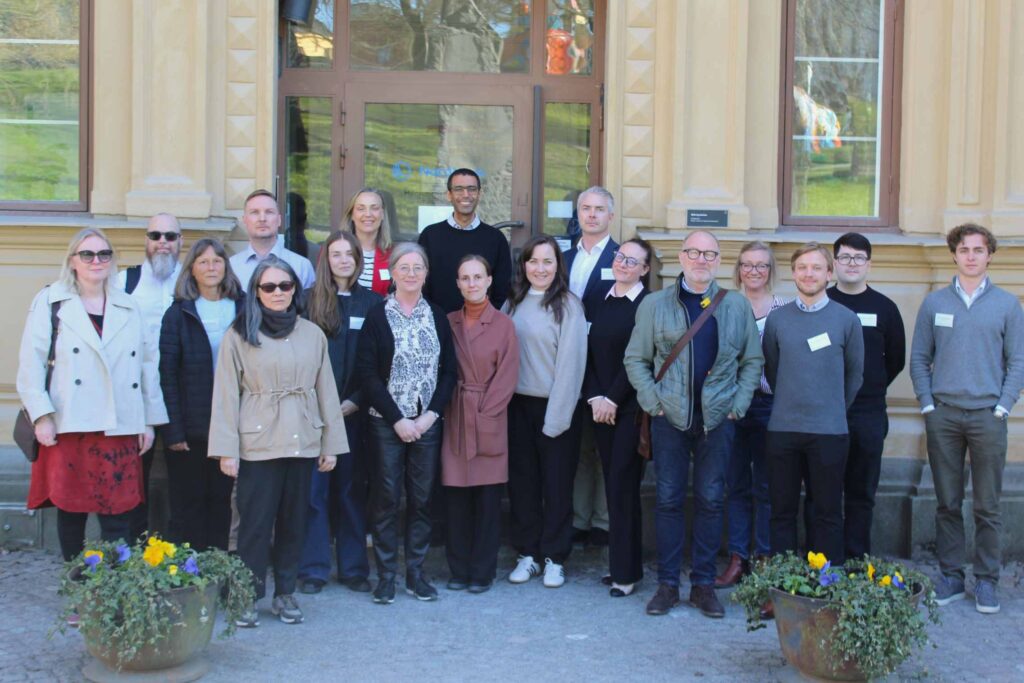
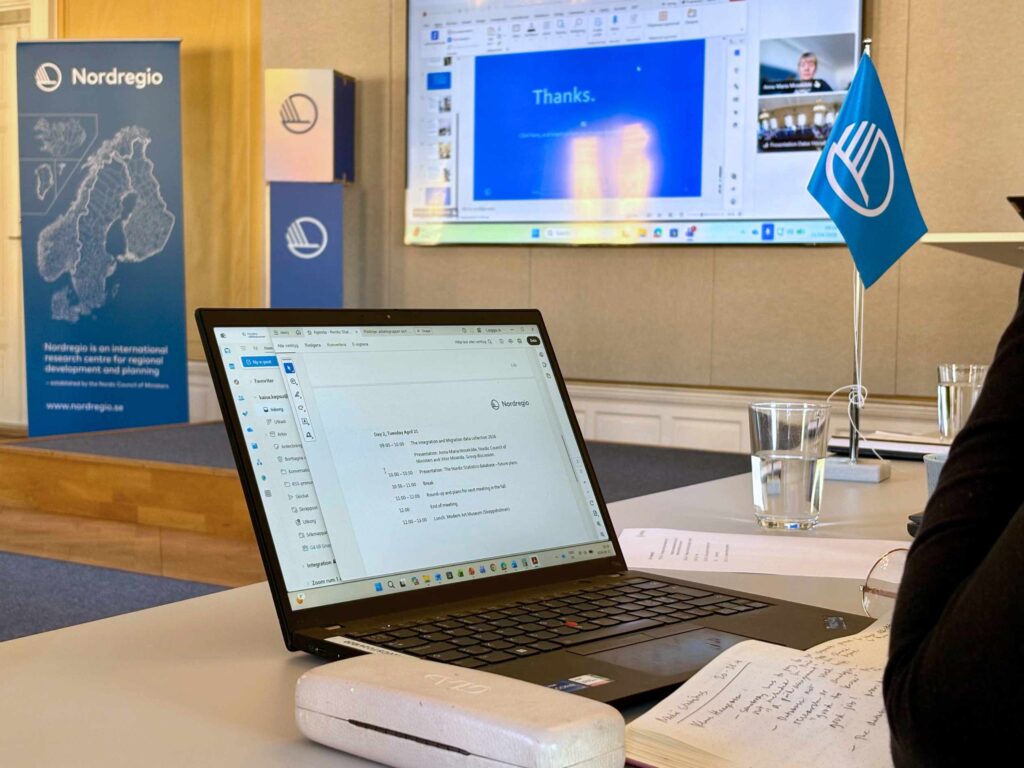
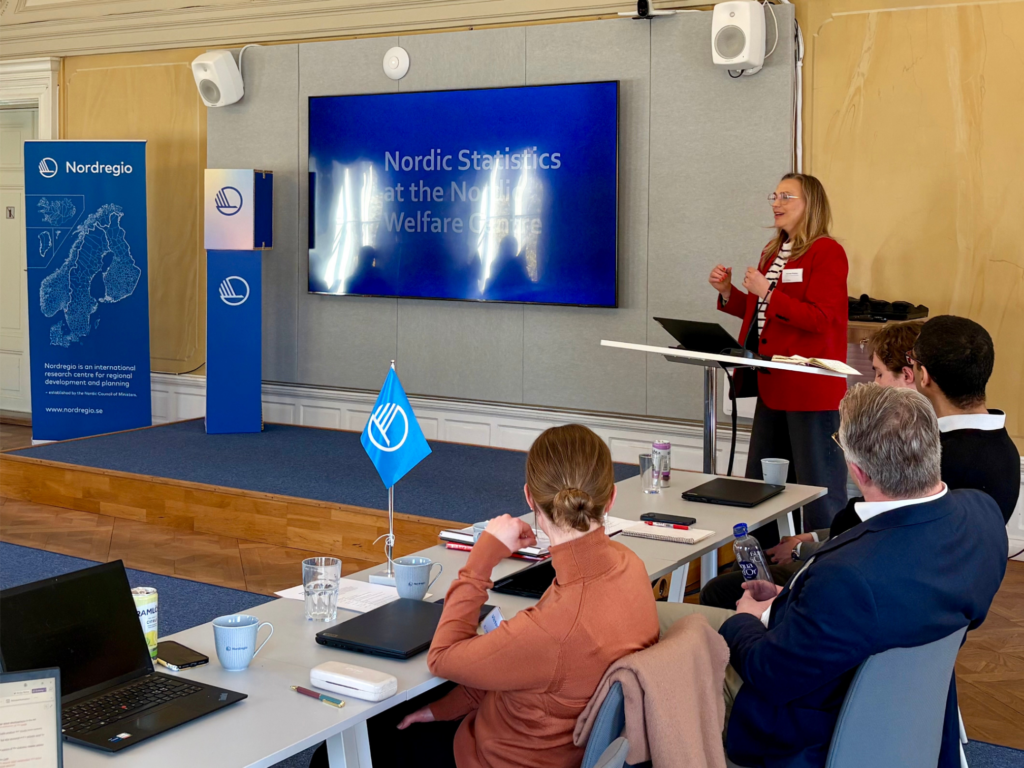
That was the focus of a recent reference group meeting in Stockholm, where representatives from statistical institutions across the region gathered to discuss the future of the Nordic Statistics Database. The meeting comes as the Nordic Council of Ministers has recently assigned Nordregio responsibility for managing and developing the database.
“This work depends on a close relationship with the national statistical institutes,” says Vitor Miranda, Head of Statistics at Nordregio and project manager for the Nordic Statistics Database. “They provide the data, and we work to make it accessible and useful in a Nordic context. The reference group is important because it gives us a space to discuss what is working, what needs improving, and how we can support each other better. It works like a two-way street.”
So, why does Nordic statistical cooperation matter?
The answer is simple: working together helps strengthen the quality, consistency, and practical value of Nordic statistics. Its significance, however, is broader than technical alignment.
“Comparable data makes it possible to monitor developments over time, across countries, and across policy areas,” says Michael Sterner, Senior Adviser at the Nordic Council of Ministers.
This gives users of Nordic statistics a stronger basis for tracking change in the region and supports the broader knowledge base needed to follow shared Nordic ambitions, including Agenda 2030.
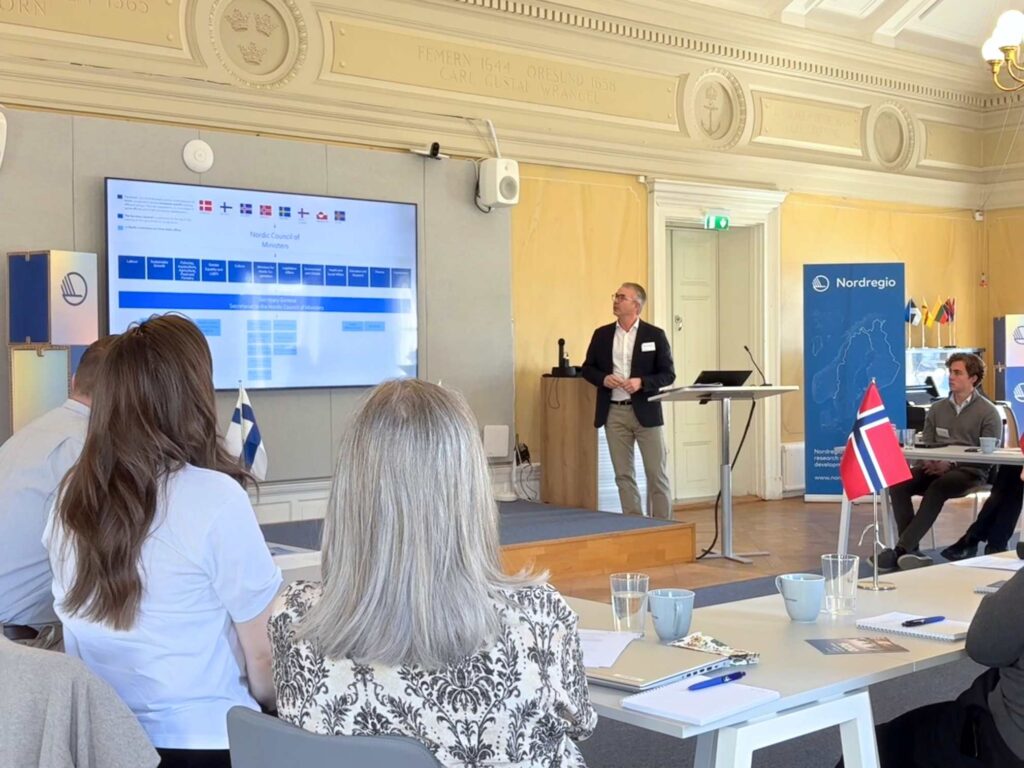
Comparison is part of the task. Discussions during the meeting showed that building regional statistics is not simply about collecting data, but also about asking what the numbers reveal, what they leave out, and how well they reflect the societies they describe.
This was particularly clear in exchanges on integration, migration, and population data. Participants returned to a set of difficult but necessary questions: who is represented in the data, where do gaps remain, and what happens when some groups are only partially captured? If important aspects of people’s situations or backgrounds are missing, decision-makers are left with a less complete picture. These questions are not purely technical. They also affect how developments in Nordic societies are understood and discussed more broadly.
The need for this kind of exchange is growing. Public debate moves quickly, and many of the issues where statistics are most needed are also emotionally charged. At the same time, the amount of available information is increasing, making it harder to judge what is credible. In this context, the Nordic Statistics Database matters not only because it makes data comparable, but because the figures come from trusted institutions using established methods.
By improving transparency and comparability across countries, the database makes developments in the Nordic Region easier to follow and assess. That is what makes Nordic statistical cooperation important beyond the data itself. It helps build the shared knowledge infrastructure for a clearer, more reliable understanding of Nordic societies.