RESEARCH RESULTS
Publications
Nordregio’s publications present applied research and policy-relevant analysis on regional development across the Nordic, Arctic, and Baltic regions. Drawing on shared challenges and comparative perspectives, our research supports evidence-based decision-making and promotes Nordic added value in spatial planning, demography, governance, and sustainability.
Highlighted publications:






489 posts


This report is the second outcome of the project Remote work: Effects on Nordic people, places and planning 2021-2024. Its primary aim is to provide a deeper understanding of how the spatial…



This policy brief summarises the first outcomes of the project ‘Remote work: Effects on Nordic people, places and planning 2021-2024’ and delivers recommendations designed to strengthen cross-Nordic learning and cooperation…



The newly published TGC Discussion paper A conceptual review on the systems perspectives on green innovation deals with the theoretical foundations and empirical approaches for studying green innovation. This discussion paper…




This discussion paper analyses the Nordic just green transition from the perspective of a set of target social groups, including unemployed persons and those at risk of unemployment, older adults, children and…


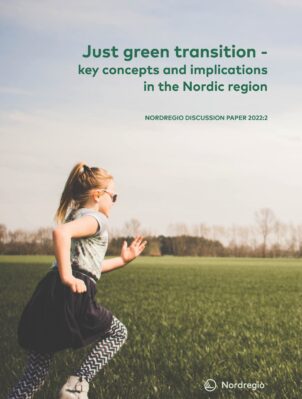

This discussion paper is based on a literature review of the just green transition in a Nordic, European and OECD setting, via the lens of three interrelated dimensions within this concept: transition, green economy and social…

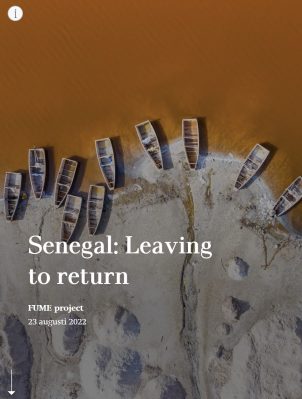


Temporary migration and nomadic lifestyles are embedded in Senegalese culture due to the country’s geographical location, history, and demography. It is driven by environmental, economic and social dilemmas of Senegalese…


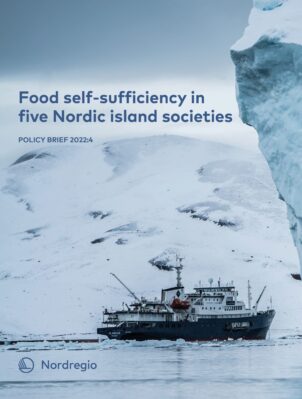
This policy brief seeks to increase knowledge of how greater food self-sufficiency can contribute to increased sustainability and resilience in the food systems of five Nordic island societies: Bornholm, the…
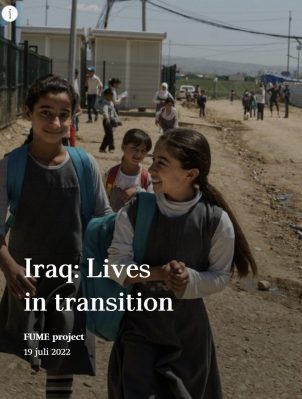
During the past five decades, Iraqi society has been navigating through a complex combination of political upheaval, sectarian violence, unemployment struggles, and educational disappointments. This has led many people to…
State of the Nordic Region
State of the Nordic Region is Nordregio’s flagship publication on regional development. Published every two years, the report provides a comprehensive overview of key trends shaping the Nordic countries, regions, and municipalities. It draws on the statistical data, maps and research-based analysis and highlights key developments on demography, labour market and economy.