RESEARCH RESULTS
Publications
Nordregio’s publications present applied research and policy-relevant analysis on regional development across the Nordic, Arctic, and Baltic regions. Drawing on shared challenges and comparative perspectives, our research supports evidence-based decision-making and promotes Nordic added value in spatial planning, demography, governance, and sustainability.
Highlighted publications:






489 posts


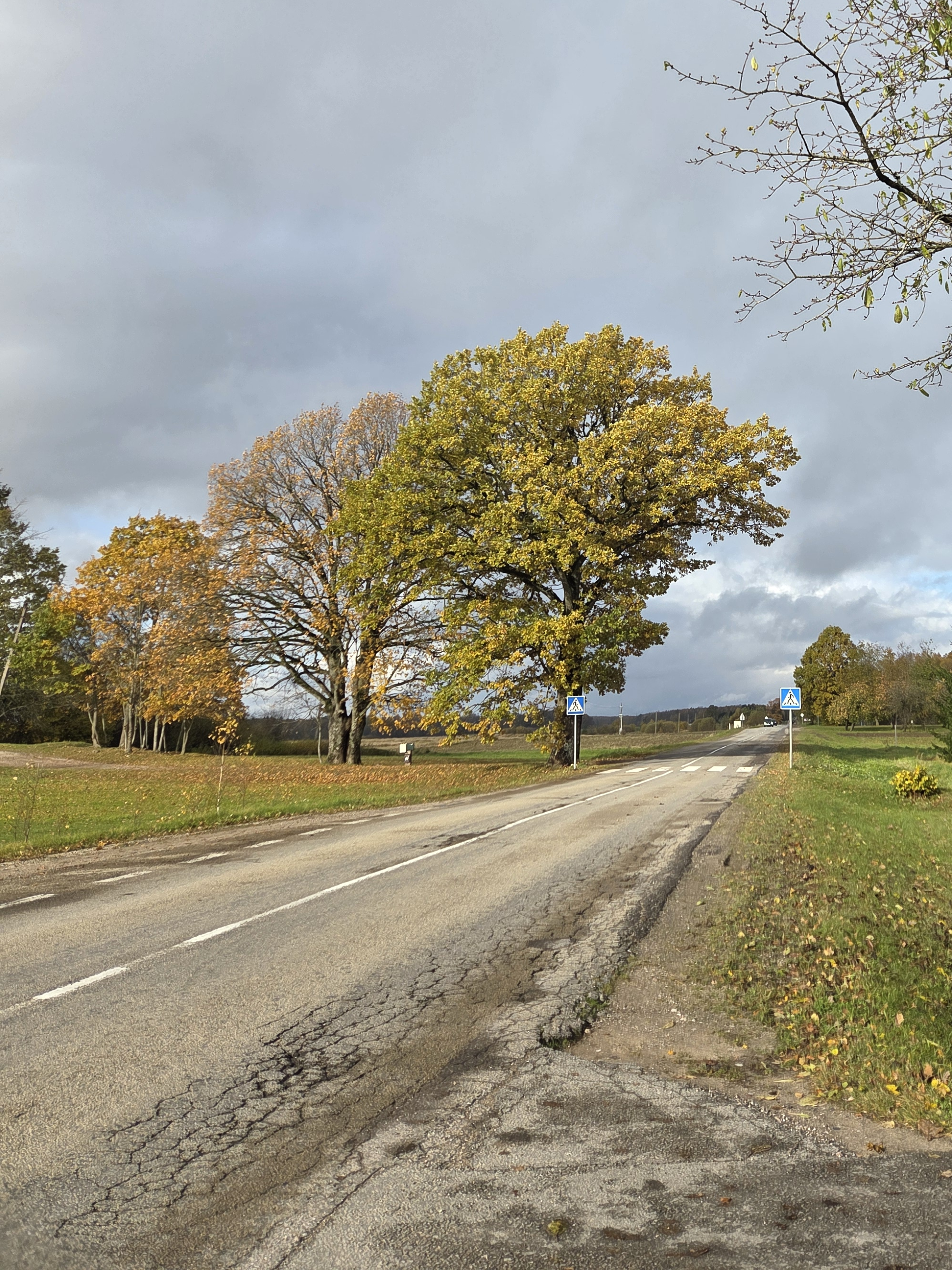
Pan-Nordic analysis of Regional Tourism Strategies for rural areas This project looks at the challenges facing the development of a more sustainable rural tourism in the Nordic regions. Our key…




This report examines how Nordic governments and municipalities seek to overcome barriers to social inclusion and to counteract inequality and segregation through policy and urban planning. Overcoming barriers to social…




This policy brief examines how co-management arrangements within small-scale fisheries can play a key role in enhancing sectoral and regional resilience. Despite major challenges, “multi-stakeholder collaborations” – such as co-management…




A pressing problem: Are the rural housing markets frozen? There are huge dissimilarities between the rural areas of the Nordic Region – both between the different countries, and autonomous areas,…


A pressing problem: Are the rural housing markets frozen? In many rural areas, the market value of houses is low – often considerably below the cost of construction. As a…


Demographic change and limited public funding in remote rural areas threaten the accessibility of goods and social services in many countries in the Baltic Sea Region (BSR). The MAMBA project…



This document presents the innovative mobility solutions developed and implemented within the MAMBA project. Each of them is different because they all take advantage of the opportunities and possibilities of…

Are you living in a rural area? Do you experience unfavourable mobility and accessibility conditions?Do you want to do something about the situation? If the answer is ‘yes’, then this…
State of the Nordic Region
State of the Nordic Region is Nordregio’s flagship publication on regional development. Published every two years, the report provides a comprehensive overview of key trends shaping the Nordic countries, regions, and municipalities. It draws on the statistical data, maps and research-based analysis and highlights key developments on demography, labour market and economy.