RESEARCH RESULTS
Publications
Nordregio’s publications present applied research and policy-relevant analysis on regional development across the Nordic, Arctic, and Baltic regions. Drawing on shared challenges and comparative perspectives, our research supports evidence-based decision-making and promotes Nordic added value in spatial planning, demography, governance, and sustainability.
Highlighted publications:






489 posts


The Nordic countries are at the forefront of digitalisation in Europe. The Baltic States show a more mixed performance, but still score around or above average on the European commission’s…



Digitalisation holds considerable potential for rural areas. It offers the promise of overcoming geographical distance, ensuring equal access to opportunity regardless of where people live. At the same time, rural…

This short report is aimed at informing policy makers, planners, regional stakeholders and researchers on how the project’s outcomes can be used in practice. The Baltic Sea Region covers a…



I Region Värmland pågår arbetet med att ta fram en ny regional utvecklingsstrategi, en kompetensförsörjningsstrategi och en ny strategi för smart specialisering. Nordregio har fått i uppdrag av Region Värmland att göra en genomlysning…




Projektet Marint Gränsforum Skagerrak syftar till att skapa förutsättning för marin näringslivsutveckling i Skagerrak. Projektet startade i januari 2019, vilket innebär att det varit igång i ett år när denna första delutvärdering genomfördes. Projektet som…



Projections of the future size, composition and distribution of the populations of the Arctic states and regions are useful for policymakers for planning purposes. This paper presents and analyses the…

This executive summary examines the projected size, composition and geographic distribution of the population of the Arctic in the future, by examining the population projections carried out by the national…
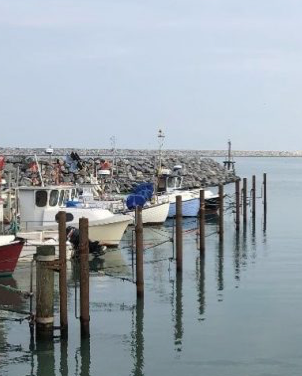


Hjørring is a Danish municipality in northern Denmark. It is home to some 65,000 people. Its geographical location provides many both opportunities and challenges. The hardships that Hjørring faces today are…


State of the Nordic Region
State of the Nordic Region is Nordregio’s flagship publication on regional development. Published every two years, the report provides a comprehensive overview of key trends shaping the Nordic countries, regions, and municipalities. It draws on the statistical data, maps and research-based analysis and highlights key developments on demography, labour market and economy.