RESEARCH RESULTS
Publications
Nordregio’s publications present applied research and policy-relevant analysis on regional development across the Nordic, Arctic, and Baltic regions. Drawing on shared challenges and comparative perspectives, our research supports evidence-based decision-making and promotes Nordic added value in spatial planning, demography, governance, and sustainability.
Highlighted publications:





489 posts

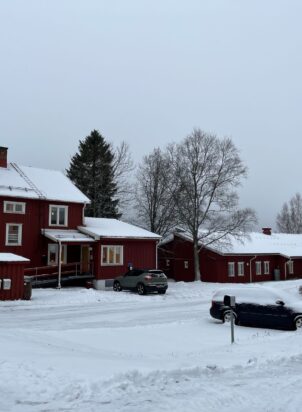
Region Värmland is drawing up new strategies for regional development, skills and smart specialisation. In 2020, it commissioned Nordregio to review the skills supply and needs in the areas covered…



Marine Spatial Planning (MSP), as with any other type of planning, is not just about the plans and their content, but the process of making those plans. Incorporating expert knowledge…



This study investigates the state of play of skills supply and demand in the Bothnian Arc cross-border region. Empirical evidence is gathered to shed light on some of the reasons…


Dát dutkamuš viggá fállat oppalaš gova ja dieđuid sámi oahppoinstitušuvnnain ja sámenuoraid perspektiivvain, maid sáhttet ávkkástallat guvllolaš ovddidanfidnuin ja politihka hábmemis. Dutkamuš buktáge čoahkkái fuomášumiid ámi oahppoinstitušuvnnaid ja bargomárkana gaskasaš čatnosiin…

This report aims to provide an overview and knowledge of Sámi educational institutions and Sámi youth perspectives, which can feed into the development of regional development initiatives and policies. Therefore, the…
Dát dutkamuš viggá fállat oppalaš gova ja dieđuid sámi oahppoinstitušuvnnain ja sámenuoraid perspektiivvain, maid sáhttet ávkkástallat guvllolaš ovddidanfidnuin ja politihka hábmemis. Dutkamuš buktáge čoahkkái fuomášumiid sámi oahppoinstitušuvnnaid ja bargomárkana gaskasaš čatnosiin…
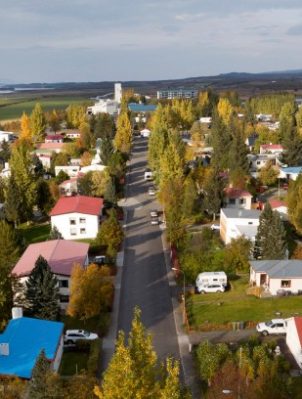


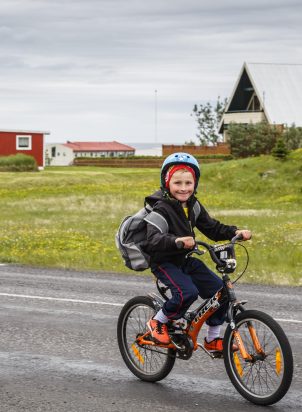
Fljótsdalshérað is the largest municipality in Iceland which has been threatened by urbanisation in recent decades. The population in the municipality is growing now, but in order to be attractive…


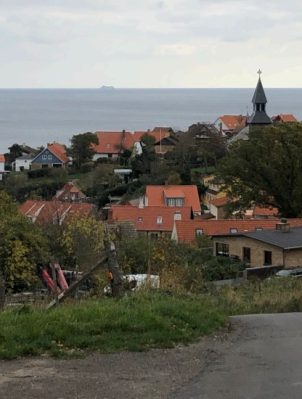

Bornholm is a Danish island in the Baltic Sea, and a home to some 40,000 people. The main industrial activities on the island have historically been fishing, agriculture, farming and…

State of the Nordic Region
State of the Nordic Region is Nordregio’s flagship publication on regional development. Published every two years, the report provides a comprehensive overview of key trends shaping the Nordic countries, regions, and municipalities. It draws on the statistical data, maps and research-based analysis and highlights key developments on demography, labour market and economy.