RESEARCH RESULTS
Publications
Nordregio’s publications present applied research and policy-relevant analysis on regional development across the Nordic, Arctic, and Baltic regions. Drawing on shared challenges and comparative perspectives, our research supports evidence-based decision-making and promotes Nordic added value in spatial planning, demography, governance, and sustainability.
Highlighted publications:







489 posts
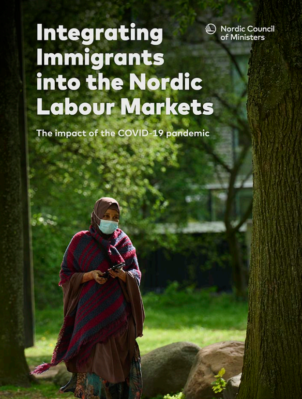


A new Report “Integrating immigrants into the Nordic labour markets. The impact of the COVID-19 pandemic” by Nordregio and the Nordic Council of Minsters shows that the Covid-19 pandemic has…




With this document, Nordregio provides a final status of the professional work for the activities across and within the Thematic Groups after four years and three months of the Nordic…




The Nordregio Strategy 2021-2024 outlines our main mission and core research focus areas, which have been carefully aligned to address the key objectives and needs of policymakers and practitioners outlined…




While the Nordic countries have long been champions of equality, the Covid-19 pandemic has put a new light on structural injustices inherent in our societies. In Copenhagen, Oslo, Helsinki, Stockholm,…




While the Nordic countries have long been champions of equality, the Covid-19 pandemic has put a new light on societal structural injustices inherent in our societies. The pandemic thus reveals…

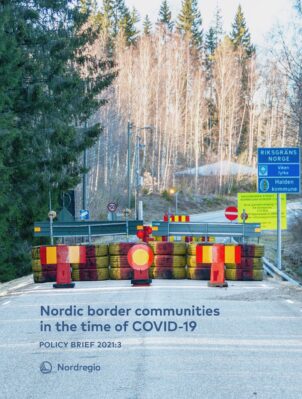


This policy brief gives a brief overview of the impact of border restrictions on border communities during the first nine months of the COVID-19 pandemic. It also provides concrete recommendations…



Housing plays a central role for people’s welfare. Its share of household consumption is about 25 percent on average, larger than that of any other item in a typical household’s…

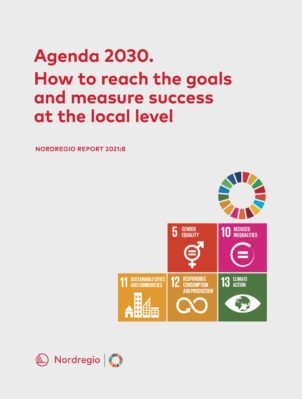

Local and regional authorities are particularly important actors in implementing Sustainable Development Goals (SDGs) – and some SDGs are more challenging than others. In response to this, Nordregio hosted a…

State of the Nordic Region
State of the Nordic Region is Nordregio’s flagship publication on regional development. Published every two years, the report provides a comprehensive overview of key trends shaping the Nordic countries, regions, and municipalities. It draws on the statistical data, maps and research-based analysis and highlights key developments on demography, labour market and economy.