RESEARCH RESULTS
Publications
Nordregio’s publications present applied research and policy-relevant analysis on regional development across the Nordic, Arctic, and Baltic regions. Drawing on shared challenges and comparative perspectives, our research supports evidence-based decision-making and promotes Nordic added value in spatial planning, demography, governance, and sustainability.
Highlighted publications:






489 posts


The Nordic countries share many cross-sectoral targets at the national level to meet ambitious environmental, social, sustainable, and innovative development goals and targets. However, in the context of spatial planning,…


15 December 2022
Discussion paper: Nordic overview of national support initiatives in urban planning

The Nordic countries share many cross-sectoral targets at the national level to meet ambitious environmental, social, sustainable, and innovative development goals and standards. These require actions to be taken in…



Loneliness and social isolation pose significant challenges for older people living alone and in nursing homes by affecting their physical and mental health. Due to requirements for self-isolation during the…



The Nordic Council of Ministers’ vision is for the Region to be the most sustainable and integrated region in the world by 2030. Cross-border labour market mobility in the Nordic…

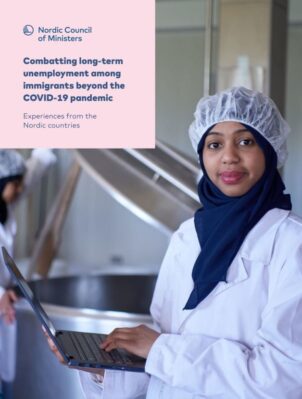


During the COVID-19 pandemic, immigrants were more likely to face long-term unemployment than their native-born peers across all Nordic countries. The unemployment rates for foreign-born rose even further in 2020….


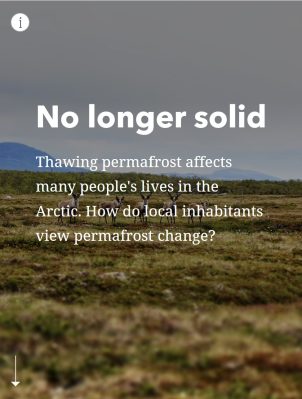


Rapid shifts in the environment caused by climate change impact people’s live in the Arctic. The changes challenge food availability, cause safety concerns, and in some cases deteriorate people’s health….


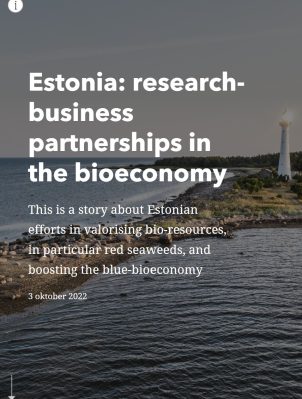


Among the three Baltic countries, Estonia has the strongest marine culture. Given the geographical position, the country’s coastline is five times longer than its landline. Despite marine characteristics, the Estonian…




This discussion paper focuses on the green energy transition, specifically the renewable energy mix and low-carbon electricity production. All of the Nordic countries have committed to mitigating climate change and…


State of the Nordic Region
State of the Nordic Region is Nordregio’s flagship publication on regional development. Published every two years, the report provides a comprehensive overview of key trends shaping the Nordic countries, regions, and municipalities. It draws on the statistical data, maps and research-based analysis and highlights key developments on demography, labour market and economy.